The Depth of Grief: Honoring Relationships in the Light of Loss
"And they buried Abner in Hebron: and the king lifted up his voice, and wept at the grave of Abner; and all the people wept." - 2 Samuel 3:32
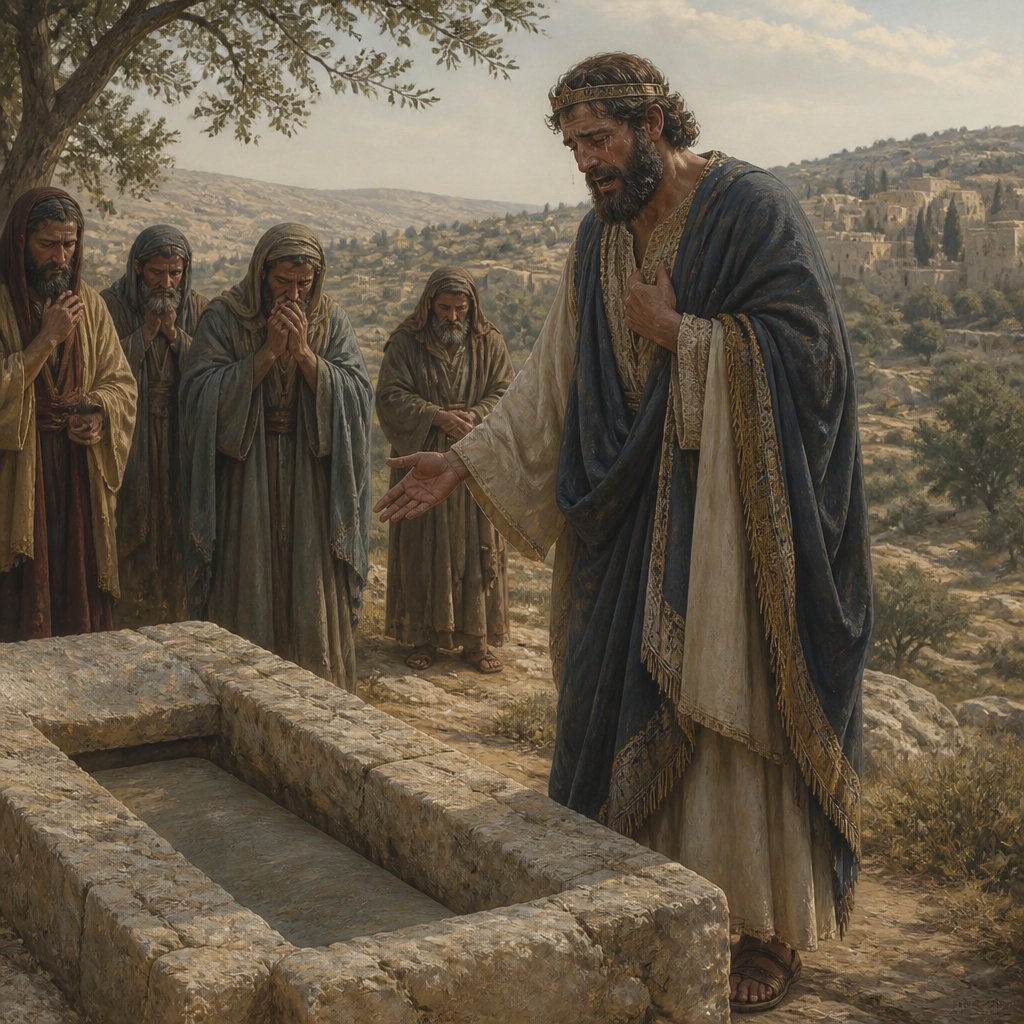
In the annals of history and particularly in the narrative of the Bible, moments of deep sorrow tell profound truths about human relationships, the complexity of loyalties, and the weight of loss. 2 Samuel 3:32 records a poignant moment in the life of King David: "And they buried Abner in Hebron: and the king lifted up his voice, and wept at the grave of Abner; and all the people wept." This verse encapsulates the sorrow of a nation, the end of conflict, and the real weight of personal grief.
David's grief over Abner, the commander of Saul’s army, reflects a deep recognition of the relational bonds that existed even amidst strife. Abner was not a mere adversary but a man of great potential and complexity—he was both an enemy and, in David’s eyes, an ally whose death disrupted hopes for peace. This moment forces us to reflect on the nature of relationships in our own lives. How do we honor those we have lost? What significance do the relationships we forge hold when we face the inevitable heartbreak of loss?
Within this profound expression of grief lies an undeniable component of respect and reconciliation—both for Abner and for the legacy of those whom anger and division have separated. David wepts because he recognized Abner was a piece of the historical tapestry that defined Israel’s journey—and by weeping for him, David acknowledges the complexities of their shared history amidst the backdrop of a divided kingdom. It shows us that reconciliation is possible, even when circumstances seem insurmountable.
In our daily lives, it is easy to see people as enemies, competitors, or mere figures in our own stories. However, the message of David weeping is a reminder that in the grand narrative of humanity, everyone plays a part, and their stories deserve recognition and respect. The world is fraught with rivalries: family conflicts, workplace rivalries, and social disputes. Yet David's actions show us that beyond the animosities and differences we may have, it is the common humanity we share that should evoke compassion.
Another dimension we can consider is the community aspect of mourning. The verse notes that "all the people wept," indicating a collective response to the loss. Isolation, especially in times of loss, can lead to deep-seated sorrow. We see in the communal mourning that there is strength in unity. We are often tempted to grieve alone, perhaps fearing that others cannot understand our pain. But shared grief is valid; it brings forth solidarity. It’s important to surround ourselves with others who can support us through loss. The act of mourning together can be healing, promoting a sense of belonging and love.
Moreover, let us consider the role of leadership in grief. David's public weeping was an act that transcended personal sorrow; as king, he set a tone for the nation. Strong leadership often includes the capacity to feel deeply and express genuine emotion. As leaders—whether in our families, communities, workplaces, or churches—we are called to embody this spirit of mourning and respect. By recognizing those we've lost and acknowledging the sadness that comes with parting, we guide others toward healing. In vulnerability lies strength; in authenticity, there is power.
As we meditate on this verse today, let us reflect on those we have lost, take a moment to weep for the relationships that have shaped us, and consider how we honor their memory. Can we commit to reconciling with those with whom we have conflict? Can we create spaces of community in our expressions of grief? Like David in Hebron, let us not shy away from showing our hearts in the face of loss, ensuring that we celebrate the connections we make along our journey. In allowing ourselves to grieve pathways of restoration will be opened to us, leading us from brokenness into wholeness.
Want to reflect more on 2 Samuel 3:32?
Continue your spiritual journey with Bible Chat — an AI-powered tool for exploring God's Word through conversation. Ask questions, discover connections, and deepen your understanding.
Get Our Apps


2 Samuel 3:32 Artwork

2 Samuel 3:32 - "And they buried Abner in Hebron: and the king lifted up his voice, and wept at the grave of Abner; and all the people wept."
"And they buried Abner in Hebron: and the king lifted up his voice, and wept at the grave of Abner; and all the people wept." - 2 Samuel 3:32

2 Samuel 3:2 - "¶ And unto David were sons born in Hebron: and his firstborn was Amnon, of Ahinoam the Jezreelitess;"
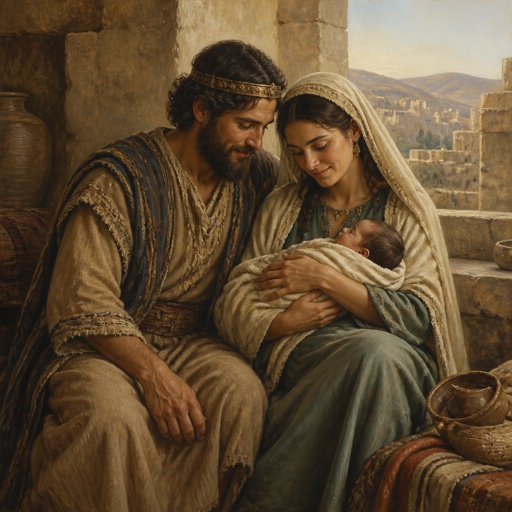
"¶ And unto David were sons born in Hebron: and his firstborn was Amnon, of Ahinoam the Jezreelitess;" - 2 Samuel 3:2

2 Samuel 23:32 - "Eliahba the Shaalbonite, of the sons of Jashen, Jonathan,"

2 Samuel 22:32 - "For who is God, save the LORD? and who is a rock, save our God?"

"Eliahba the Shaalbonite, of the sons of Jashen, Jonathan," - 2 Samuel 23:32

2 Samuel 2:32 - "¶ And they took up Asahel, and buried him in the sepulchre of his father, which was in Beth-lehem. And Joab and his men went all night, and they came to Hebron at break of day."

1 Samuel 2:32 - "And thou shalt see an enemy in my habitation, in all the wealth which God shall give Israel: and there shall not be an old man in thine house for ever."

1 Samuel 3:2 - "And it came to pass at that time, when Eli was laid down in his place, and his eyes began to wax dim, that he could not see;"

isaiah 32:2-3 emphasis on Jesus Christ being unnatractive

2 Samuel 4:3 - "And the Beerothites fled to Gittaim, and were sojourners there until this day.)"
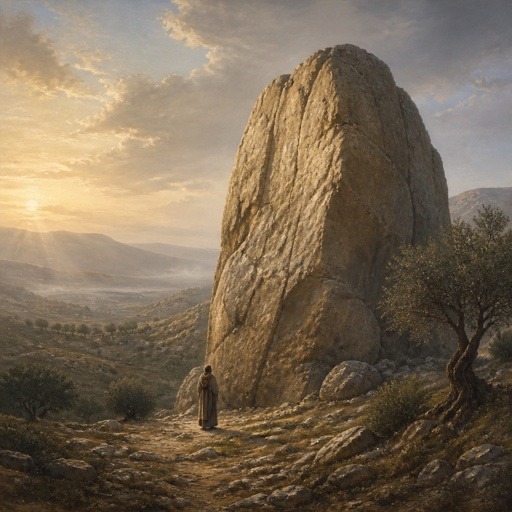
"For who is God, save the LORD? and who is a rock, save our God?" - 2 Samuel 22:32

2 Samuel 19:32 - "Now Barzillai was a very aged man, even fourscore years old: and he had provided the king of sustenance while he lay at Mahanaim; for he was a very great man."

2 Samuel 3:4 - "And the fourth, Adonijah the son of Haggith; and the fifth, Shephatiah the son of Abital;"

2 Samuel 3:3 - "And his second, Chileab, of Abigail the wife of Nabal the Carmelite; and the third, Absalom the son of Maacah the daughter of Talmai king of Geshur;"
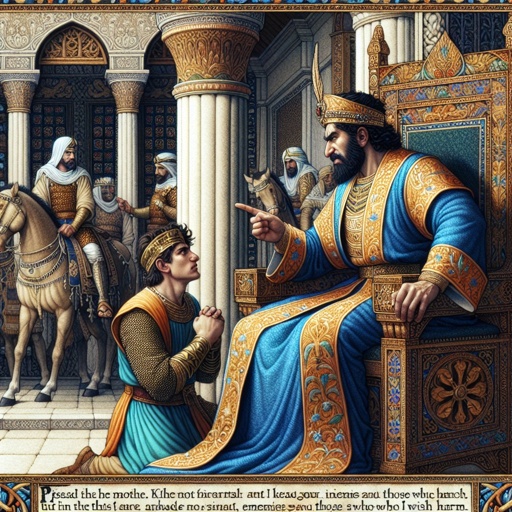
2 Samuel 18:32 - "And the king said unto Cushi, Is the young man Absalom safe? And Cushi answered, The enemies of my lord the king, and all that rise against thee to do thee hurt, be as that young man is."

2 Samuel 3:11 - "And he could not answer Abner a word again, because he feared him."

2 Samuel 3:33 - "And the king lamented over Abner, and said, Died Abner as a fool dieth?"

2 Samuel 3:5 - "And the sixth, Ithream, by Eglah David's wife. These were born to David in Hebron."

2 Samuel 15:32 - "¶ And it came to pass, that when David was come to the top of the mount, where he worshipped God, behold, Hushai the Archite came to meet him with his coat rent, and earth upon his head:"

2 Samuel 2:3 - "And his men that were with him did David bring up, every man with his household: and they dwelt in the cities of Hebron."

2 Samuel 7:3 - "And Nathan said to the king, Go, do all that is in thine heart; for the LORD is with thee."

2 Chronicles 32:3 - "He took counsel with his princes and his mighty men to stop the waters of the fountains which were without the city: and they did help him."

2 Samuel 3:37 - "For all the people and all Israel understood that day that it was not of the king to slay Abner the son of Ner."

2 Samuel 3:15 - "And Ish-bosheth sent, and took her from her husband, even from Phaltiel the son of Laish."

2 Samuel 3:36 - "And all the people took notice of it, and it pleased them: as whatsoever the king did pleased all the people."

2 Samuel 14:3 - "And come to the king, and speak on this manner unto him. So Joab put the words in her mouth."

2 Samuel 3:6 - "¶ And it came to pass, while there was war between the house of Saul and the house of David, that Abner made himself strong for the house of Saul."

2 Samuel 3:38 - "And the king said unto his servants, Know ye not that there is a prince and a great man fallen this day in Israel?"