Fenced with Iron: The Call to Stand Guard
"But the man that shall touch them must be fenced with iron and the staff of a spear; and they shall be utterly burned with fire in the same place." - 2 Samuel 23:7
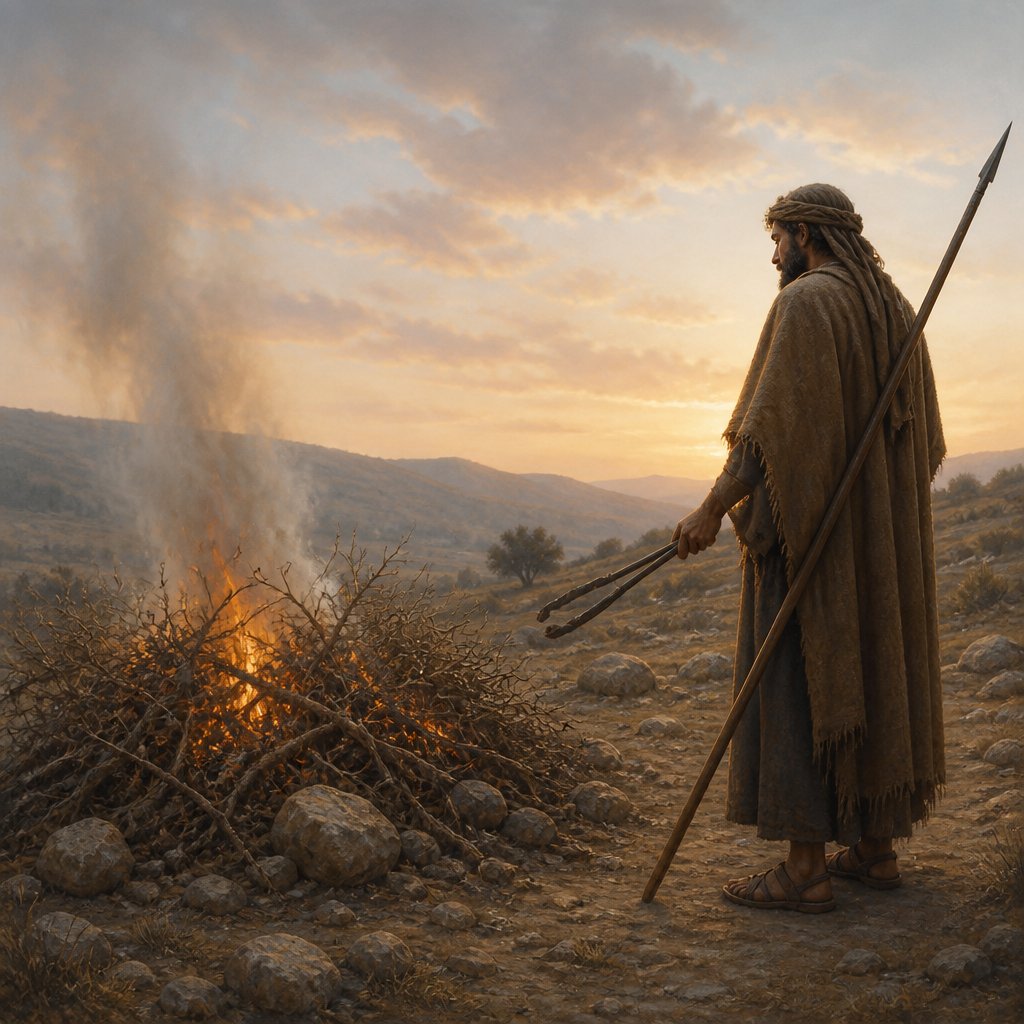
When we delve into the profound imagery of 2 Samuel 23:7 in the King James Version, “But the man that shall touch them must be fenced with iron and the staff of a spear; and they shall be utterly burned with fire in the same place,” we encounter a powerful metaphor that transcends time, inviting believers to ponder over the protective measures necessary for engagement in spiritual warfare.
To appreciate the depth of this verse, we must first understand its context. This passage is nestled within the accounts of David’s mighty men, who were not just warriors but symbols of strength and loyalty. David, revered as a man after God's own heart, surrounded himself with those who exemplified unwavering faith and valor. The “them” in this verse alludes to the enemies of God, representatives of sin and unrighteousness that threaten not only the nation of Israel but the spiritual fabric of humanity.
In the biblical narrative, iron is often associated with strength, endurance, and the protection of that which is sacred. To be fenced with iron indicates a necessity for preparation and the defensive posture required when engaging with formidable adversaries. The mention of the “staff of a spear” further emphasizes the readiness to defend and the seriousness of the encounter. The imagery evokes a scene of standing firm against the flames of hellfire that threaten to consume all that is good and holy.
In contemporary Christian life, this verse serves as a stark reminder that the spiritual battles we face require careful consideration and preparation. We cannot engage lightly with sin, temptation, or the hostile forces that seek to undermine our faith. Galatians 5:17 confirms this struggle: “For the flesh lusteth against the Spirit, and the Spirit against the flesh: and these are contrary the one to the other.” Thus, we are called to don the armor of God as articulated in Ephesians 6:10-18, specifically arming ourselves with truth, righteousness, and the shield of faith.
The warning that those who touch these influential forces or entities will be “utterly burned with fire” also unveils a crucial aspect of spiritual discernment. Sin and unrighteousness have destructive consequences, and the call to remain fenced in iron is a directive towards safeguarding our hearts and minds. Unlike the physical world where one might be able to flirt with danger and emerge unscathed, the spiritual realm offers no such guarantees. Here, we find a divine command to remain vigilant, actively resisting the seductive allure of iniquity and the influences that, once touched, may lead to spiritual devastation.
A personal reflection reveals the importance of setting boundaries in our lives—not as walls that isolate us from the world, but as sanctuaries equipped with the strength of iron and the vigilance of the spear. Consider the influences we permit, whether through media, associations, or ideologies that directly oppose the teachings of Christ. Colossians 3:2 urges us, “Set your affection on things above, not on things on the earth.” Our priority must be to pursue righteousness while constructing boundaries that keep our hearts aligned with God’s purpose.
As we stand firm in our commitments and forge a life fenced with the iron of God’s Word, let us be ever mindful of the stakes involved. The call to guard ourselves is not just for personal sanctity but for the sake of those around us, the ripple effects of our choices impacting our families, communities, and the broader church. Providence requires that we hold firm to what is sacred, prepared to protect the vulnerable, armed with the wisdom of our faith. Even in times of trial, we find our hope in Christ, who has overcome the world (John 16:33).
In conclusion, 2 Samuel 23:7 does not merely recount historical events; it beckons us into a life of vigilance and preparation. As we navigate the complexities of modern-day challenges, may we remember that standing guard against sin and temptation is not about fear but faith—faith that trusts in God’s strength, armed and ready to engage in the battles that ultimately draw us closer to Him.
Want to reflect more on 2 Samuel 23:7?
Continue your spiritual journey with Bible Chat — an AI-powered tool for exploring God's Word through conversation. Ask questions, discover connections, and deepen your understanding.
Get Our Apps


2 Samuel 23:7 Artwork

2 Samuel 23:7 - "But the man that shall touch them must be fenced with iron and the staff of a spear; and they shall be utterly burned with fire in the same place."
"But the man that shall touch them must be fenced with iron and the staff of a spear; and they shall be utterly burned with fire in the same place." - 2 Samuel 23:7

2 Samuel 23:38 - "Ira an Ithrite, Gareb an Ithrite,"

2 Samuel 23:28 - "Zalmon the Ahohite, Maharai the Netophathite,"

2 Samuel 23:35 - "Hezrai the Carmelite, Paarai the Arbite,"

2 Samuel 23:27 - "Abiezer the Anethothite, Mebunnai the Hushathite,"

2 Samuel 23:25 - "Shammah the Harodite, Elika the Harodite,"

2 Samuel 23:2 - "The Spirit of the LORD spake by me, and his word was in my tongue."

2 Samuel 23:31 - "Abi-albon the Arbathite, Azmaveth the Barhumite,"

2 Samuel 23:39 - "Uriah the Hittite: thirty and seven in all."

2 Samuel 23:30 - "Benaiah the Pirathonite, Hiddai of the brooks of Gaash,"

2 samuel 23:8-21

2 Samuel 23:32 - "Eliahba the Shaalbonite, of the sons of Jashen, Jonathan,"

2 Samuel 23:33 - "Shammah the Hararite, Ahiam the son of Sharar the Hararite,"

2 Samuel 23:14 - "And David was then in an hold, and the garrison of the Philistines was then in Beth-lehem."

2 Samuel 23:26 - "Helez the Paltite, Ira the son of Ikkesh the Tekoite,"

2 Samuel 23:36 - "Igal the son of Nathan of Zobah, Bani the Gadite,"

2 Samuel 23:23 - "He was more honourable than the thirty, but he attained not to the first three. And David set him over his guard."

2 Samuel 14:23 - "So Joab arose and went to Geshur, and brought Absalom to Jerusalem."

2 Samuel 23:37 - "Zelek the Ammonite, Naharai the Beerothite, armourbearer to Joab the son of Zeruiah,"

2 Samuel 6:23 - "Therefore Michal the daughter of Saul had no child unto the day of her death."

2 Samuel 23:34 - "Eliphelet the son of Ahasbai, the son of the Maachathite, Eliam the son of Ahithophel the Gilonite,"

2 Samuel 23:24 - "Asahel the brother of Joab was one of the thirty; Elhanan the son of Dodo of Beth-lehem,"

2 Samuel 7:1–29

2 samuel 9:7 fhdhdhdhhd

2 Samuel 23:29 - "Heleb the son of Baanah, a Netophathite, Ittai the son of Ribai out of Gibeah of the children of Benjamin,"

2 Samuel 23:12 - "But he stood in the midst of the ground, and defended it, and slew the Philistines: and the LORD wrought a great victory."

"Shammah the Harodite, Elika the Harodite," - 2 Samuel 23:25

2 Samuel 23:22 - "These things did Benaiah the son of Jehoiada, and had the name among three mighty men."
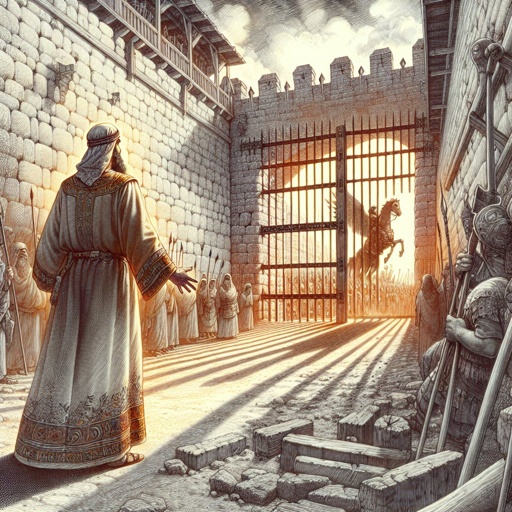
1 Samuel 23:7 - "¶ And it was told Saul that David was come to Keilah. And Saul said, God hath delivered him into mine hand; for he is shut in, by entering into a town that hath gates and bars."