Escaping the Camp: Lessons in Suffering and Hope
"And David said unto him, From whence comest thou? And he said unto him, Out of the camp of Israel am I escaped." - 2 Samuel 1:3
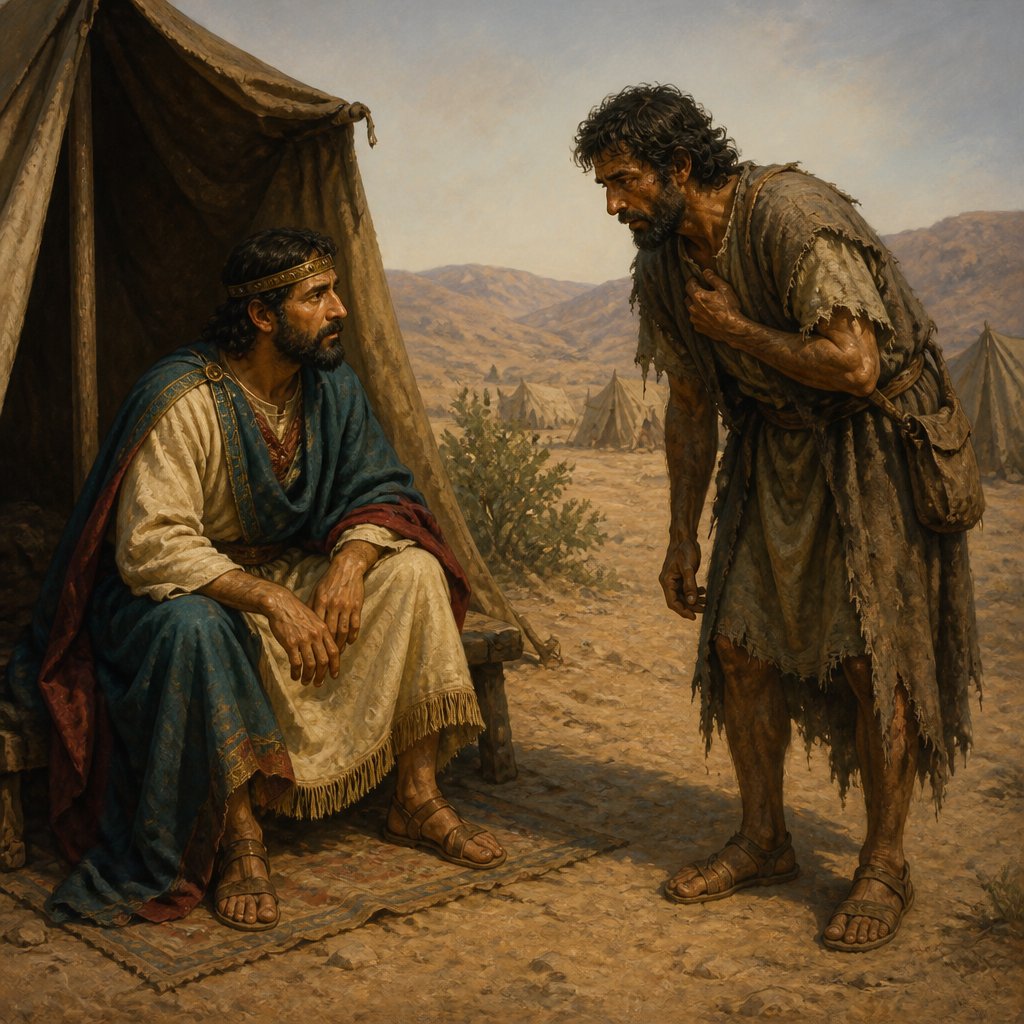
In 2 Samuel 1:3, we encounter a moment of poignant drama as David, now a fugitive yet still a king in the making, questions a man who has found his way out of a disastrous situation. The King James Version (KJV) states, "And David said unto him, From whence comest thou? And he said unto him, Out of the camp of Israel am I escaped." This brief but profound exchange encapsulates a rich tapestry of themes involving suffering, escape, and the hope that can emerge from dire circumstances.
**Context: The Weight of Grief**
The context of this verse is critical. David is in mourning, having just received the news of King Saul’s death, his former mentor, and the man who sought to take his life. The man who claims to have escaped from the camp of Israel, bringing news of Saul’s death, symbolizes the tumult and chaos that enveloped Israel at that time. David, in response to the news, will go through deep grief, realizing the weight of loss—not only of Saul but the entire direction and fate of his nation.
**From the Camp of Israel: A Symbol of Suffering**
The phrase “Out of the camp of Israel” is rich in metaphor. The camp represents a place of conflict and fear—where the Israelite soldiers faced the Philistines and the reality of warfare. Yet, it also signifies the nation’s struggle, identity, and the burdens of its people. The escape from this camp speaks volumes about the trials that both the individual and the collective face in times of strife.
As we reflect on our spiritual journey, we often find ourselves in the ‘camps’ of our lives—places where we confront struggles, fear, and pain. These camps can be emotional, physical, or spiritual battlegrounds where the realities of our circumstances seem overwhelming. Just as the man escapes the camp, we too can find ourselves yearning for escape from our situations—especially when hope feels distant and the weight of suffering feels unbearable.
**Divine Encounters in Our Escape**
David’s inquiry, “From whence comest thou?” not only reflects his concern for the man’s well-being but also his instinct as a leader to understand the state of his people. This moment reminds us that in our personal camps, God is still orchestrating encounters and defining moments. The act of asking questions and listening to others is a form of ministry.
We often escape our camps physically or emotionally only to find ourselves in a new battle. David’s inquiry inspires us to engage with others, to hear their stories, and to recognize their struggles. Our escapes can lead us to profound realizations about the collective suffering we experience and how we can support one another through tragedy and despair.
**Hope from Suffering**
Look to how this meeting leads to a new chapter in David’s life. While the man who escaped is bringing news of Saul’s death, it ultimately sets the stage for David to ascend to the throne. From great sorrow comes the promise of new beginnings. Even in the darkness of pain, there exists a light of hope, waiting to be revealed through God’s purpose.
In moments of despair and suffering, we must remind ourselves and each other that significant transformations often emerge from our most profound losses. Our own ‘camp of Israel’ experiences can serve as catalysts for greater understandings of God’s faithfulness and mercy in our lives.
**Conclusion**
As we reflect on this brief dialogue between David and the escaped man, let us consider the camps we inhabit and the escapes we seek. May we find comfort in knowing that God is present even in our pain and that every escape can draw us closer to His plans for restoration. The encounters we have with others can be agents of healing and hope—leading us out of the darkness and into His marvelous light.
So, in the words of David, let us also look to our own lives and ask: "From whence comest thou?" and be open to the stories of those who bear burdens, realizing within these exchanges, God may be revealing new paths of hope and destiny. Let us embrace the journey from the camp and into His presence, where true freedom and purpose await.
Want to reflect more on 2 Samuel 1:3?
Continue your spiritual journey with Bible Chat — an AI-powered tool for exploring God's Word through conversation. Ask questions, discover connections, and deepen your understanding.
Get Our Apps


2 Samuel 1:3 Artwork

2 Samuel 1:3 - "And David said unto him, From whence comest thou? And he said unto him, Out of the camp of Israel am I escaped."
"And David said unto him, From whence comest thou? And he said unto him, Out of the camp of Israel am I escaped." - 2 Samuel 1:3

2 Samuel 1. 17-27

2 Samuel 3:1 - "Now there was long war between the house of Saul and the house of David: but David waxed stronger and stronger, and the house of Saul waxed weaker and weaker."

1 Samuel 3:2 - "And it came to pass at that time, when Eli was laid down in his place, and his eyes began to wax dim, that he could not see;"

1 Samuel 2:3 - "Talk no more so exceeding proudly; let not arrogancy come out of your mouth: for the LORD is a God of knowledge, and by him actions are weighed."

1 Samuel 3:3 - "And ere the lamp of God went out in the temple of the LORD, where the ark of God was, and Samuel was laid down to sleep;"

1 Samuel 3:10 - "And the LORD came, and stood, and called as at other times, Samuel, Samuel. Then Samuel answered, Speak; for thy servant heareth."

1 Samuel 3:16 - "Then Eli called Samuel, and said, Samuel, my son. And he answered, Here am I."

1 Samuel 3:1-10

1 Samuel 3:4 - "That the LORD called Samuel: and he answered, Here am I."

1 Samuel 3:15 - "¶ And Samuel lay until the morning, and opened the doors of the house of the LORD. And Samuel feared to shew Eli the vision."

1 Samuel 3:1 - "And the child Samuel ministered unto the LORD before Eli. And the word of the LORD was precious in those days; there was no open vision."

1 samuel 17:3

1 Samuel 3:19 - "¶ And Samuel grew, and the LORD was with him, and did let none of his words fall to the ground."

1 Samuel 3:21 - "And the LORD appeared again in Shiloh: for the LORD revealed himself to Samuel in Shiloh by the word of the LORD."

1 Samuel 3:20 - "And all Israel from Dan even to Beer-sheba knew that Samuel was established to be a prophet of the LORD."

2 Samuel 3:2 - "¶ And unto David were sons born in Hebron: and his firstborn was Amnon, of Ahinoam the Jezreelitess;"

2 Samuel 1:27 - "How are the mighty fallen, and the weapons of war perished!"

1 Samuel 5: 3-4

1 Samuel 3:7 - "Now Samuel did not yet know the LORD, neither was the word of the LORD yet revealed unto him."

2 Samuel 4:3 - "And the Beerothites fled to Gittaim, and were sojourners there until this day.)"

2 Samuel 1:17 - "¶ And David lamented with this lamentation over Saul and over Jonathan his son:"

2 Samuel 3:4 - "And the fourth, Adonijah the son of Haggith; and the fifth, Shephatiah the son of Abital;"

2 Samuel 3:3 - "And his second, Chileab, of Abigail the wife of Nabal the Carmelite; and the third, Absalom the son of Maacah the daughter of Talmai king of Geshur;"

1 Samuel 2:26 - "And the child Samuel grew on, and was in favour both with the LORD, and also with men."
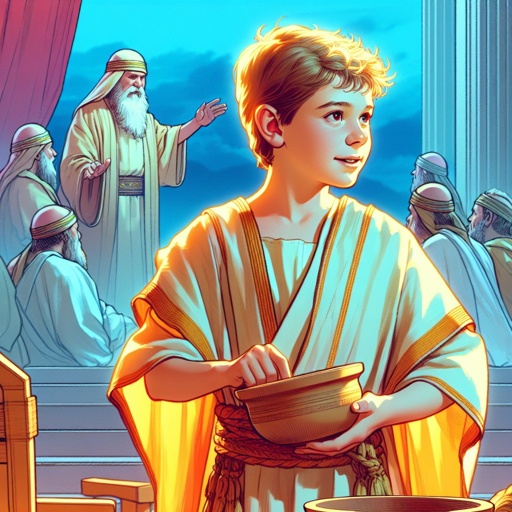
1 Samuel 2:18 - "¶ But Samuel ministered before the LORD, being a child, girded with a linen ephod."
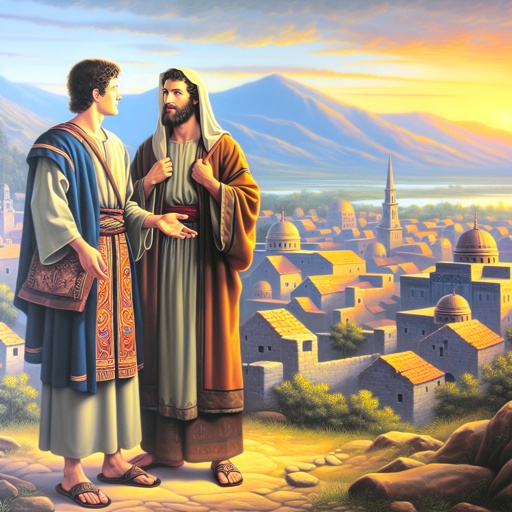
1 Samuel 9:1-2

1 Samuel 3:11 - "¶ And the LORD said to Samuel, Behold, I will do a thing in Israel, at which both the ears of every one that heareth it shall tingle."

2 Samuel 3:33 - "And the king lamented over Abner, and said, Died Abner as a fool dieth?"