United in Restoration: Recognizing Our Shared Responsibility
"Ye are my brethren, ye are my bones and my flesh: wherefore then are ye the last to bring back the king?" - 2 Samuel 19:12
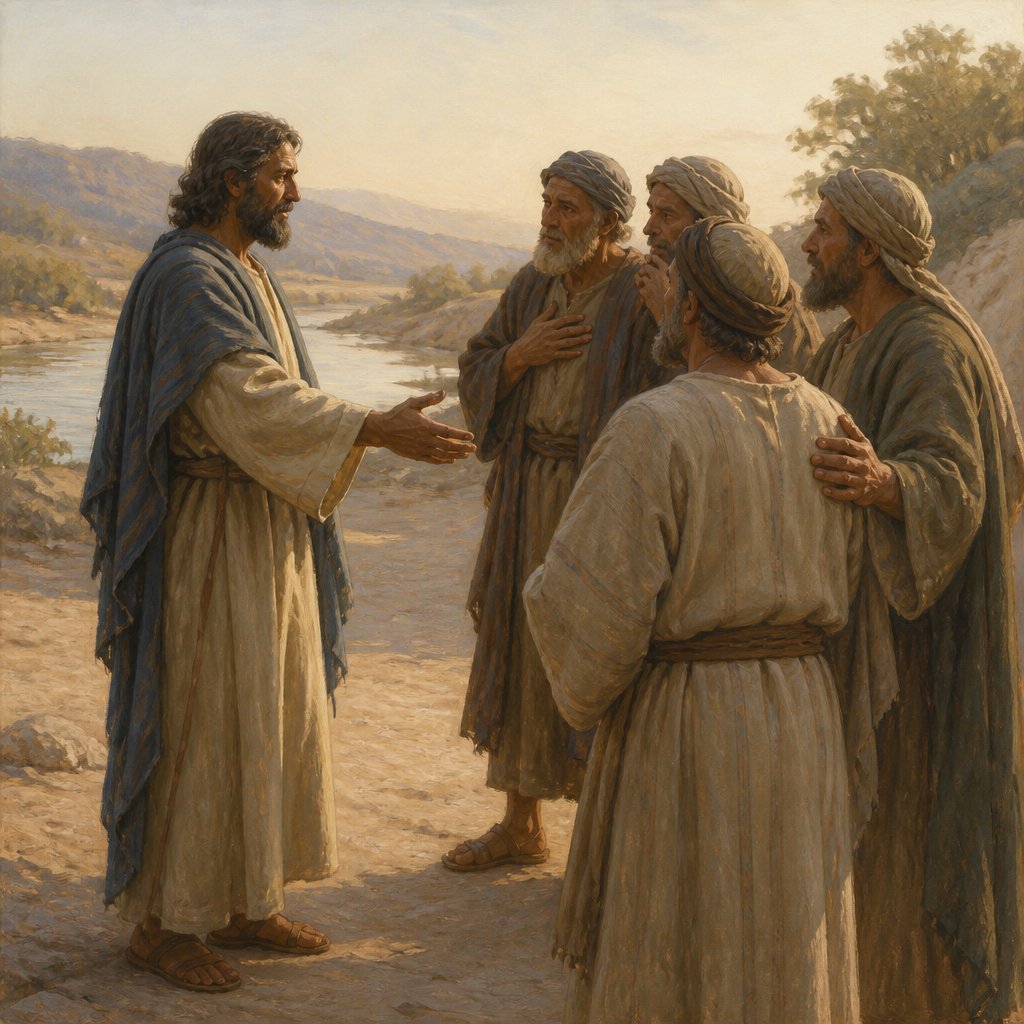
The heart of 2 Samuel 19:12 resonates with a deep sense of familial connection and mutual accountability. In this passage, King David, after enduring great trials, calls upon his subjects, stating, "Ye are my brethren, ye are my bones and my flesh: wherefore then are ye the last to bring back the king?" This statement is not merely a reminder of their kinship; it serves as a poignant call to action. To unpack the significance of David's words, we must first explore the context surrounding them.
David had suffered a significant rebellion led by his son, Absalom. After Absalom's death, the kingdom was in turmoil. David's return to Jerusalem was not just about reinstating a monarch; it was about restoring order, healing wounds, and re-establishing the covenantal relationship between God, the king, and His people. As David addressed the people, he emphasized that they were family—"my brethren, ye are my bones and my flesh." This declaration is drenched in covenantal significance. In Hebrew culture, the phrase "bones and my flesh" indicates a deep bond, a unity that transcends mere leadership; it speaks to an intrinsic relationship that binds the king and his followers.
This profound kinship highlights a vital truth: in the body of Christ, we are all related. The Apostle Paul echoes this sentiment in Ephesians 4:4, saying, "There is one body, and one Spirit, even as ye are called in one hope of your calling." We are called into a community that is meant to reflect the unity that David yearns for in his plea. David’s question, "wherefore then are ye the last to bring back the king?" invites us to reflect on our current state. Are we standing by idly while restoration and healing are needed among our brothers and sisters?
Consider this: Kingship for David was not simply about rule but responsibility. In a modern context, it’s essential for us to understand the roles we play within our communities, churches, and families. When we see a leader in distress, our response should be to rally around that individual rather than take a passive stance. The question lingers: when we witness a brother or sister straying or suffering, will we be quick to restore and reconcile, or will we wait for someone else to take action?
In emphasizing unity, David pointedly challenges them to reflect on their commitment to the community they are part of. Restoration requires action, collaboration, and strength in unity. As believers, we must remind ourselves that we are called to restore one another with gentleness (Galatians 6:1), emphasizing that the health of the entire body relies on every member's action and engagement.
Furthermore, David’s urgency propels his followers toward an awakening of purpose. The people were to bring back the king, to support and encourage him in his leadership after such division and chaos. This illustrates the need to actively participate in the lives of those around us, fostering an environment where everyone feels empowered and included. The work of restoration often requires an intentional effort to bridge gaps and heal divisions—something each of us is called into as part of the body of Christ.
As we navigate our daily lives, let us embrace the message of this verse. Let us see our fellow believers not just as acquaintances or even friends, but as family—"my bones and my flesh." May we step forward in unity, support, and love, taking on our shared responsibility to bring back the King in our own contexts. Let’s encourage one another, embrace our roles, and honor our commitment to our brothers and sisters, just as David did, so that together, we can walk in harmony, restoring hope in a broken world.
Want to reflect more on 2 Samuel 19:12?
Continue your spiritual journey with Bible Chat — an AI-powered tool for exploring God's Word through conversation. Ask questions, discover connections, and deepen your understanding.
Get Our Apps


2 Samuel 19:12 Artwork

2 Samuel 19:12 - "Ye are my brethren, ye are my bones and my flesh: wherefore then are ye the last to bring back the king?"
"Ye are my brethren, ye are my bones and my flesh: wherefore then are ye the last to bring back the king?" - 2 Samuel 19:12
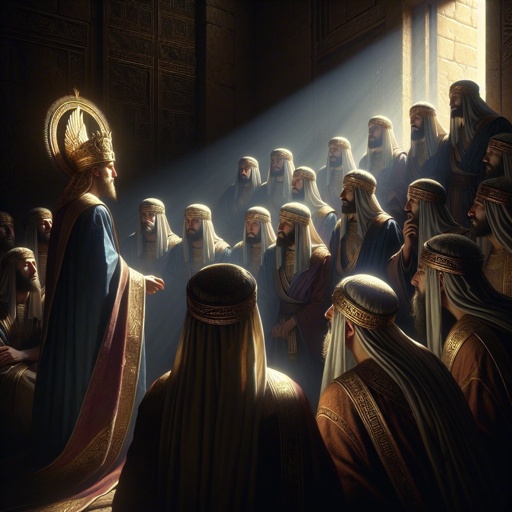
2 Samuel 12:19 - "But when David saw that his servants whispered, David perceived that the child was dead: therefore David said unto his servants, Is the child dead? And they said, He is dead."

2 Samuel 19:8

1 Samuel 19:12 - "¶ So Michal let David down through a window: and he went, and fled, and escaped."

2 Samuel 19:8

2 Samuel 19:8

2 Samuel 19:8

2 Samuel 19:24

2 Samuel 5:12

1 Samuel 2:12

2 Samuel 12:2 - "The rich man had exceeding many flocks and herds:"

2 Samuel 19:1 - "And it was told Joab, Behold, the king weepeth and mourneth for Absalom."

2 Samuel 12:12 - "For thou didst it secretly: but I will do this thing before all Israel, and before the sun."

1 Samuel 12:19 - "And all the people said unto Samuel, Pray for thy servants unto the LORD thy God, that we die not: for we have added unto all our sins this evil, to ask us a king."

2 Samuel 22:19 - "They prevented me in the day of my calamity: but the LORD was my stay."

2 Samuel 24:19 - "And David, according to the saying of Gad, went up as the LORD commanded."

2 Samuel 2:19 - "And Asahel pursued after Abner; and in going he turned not to the right hand nor to the left from following Abner."

2 Samuel 2:12 - "¶ And Abner the son of Ner, and the servants of Ish-bosheth the son of Saul, went out from Mahanaim to Gibeon."

2 Samuel 1:19 - "The beauty of Israel is slain upon thy high places: how are the mighty fallen!"

2 Samuel 19:2 - "And the victory that day was turned into mourning unto all the people: for the people heard say that day how the king was grieved for his son."

1 Samuel 2:12 - "¶ Now the sons of Eli were sons of Belial; they knew not the LORD."

"¶ So Michal let David down through a window: and he went, and fled, and escaped." - 1 Samuel 19:12

2 Samuel 12:26 - "And Joab fought against Rabbah of the children of Ammon, and took the royal city."

2 Samuel 19:23 - "Therefore the king said unto Shimei, Thou shalt not die. And the king sware unto him."

2 Samuel 11:19 - "And charged the messenger, saying, When thou hast made an end of telling the matters of the war unto the king,"

2 Samuel 23:19 - "Was he not most honourable of three? therefore he was their captain: howbeit he attained not unto the first three."

2 Samuel 17:19 - "And the woman took and spread a covering over the well's mouth, and spread ground corn thereon; and the thing was not known."

2 Samuel 12:29 - "And David gathered all the people together, and went to Rabbah, and fought against it, and took it."

2 Samuel 19:33 - "And the king said unto Barzillai, Come thou over with me, and I will feed thee with me in Jerusalem."