Surrendering to the Sovereignty of God
"But if he thus say, I have no delight in thee; behold, here am I, let him do to me as seemeth good unto him." - 2 Samuel 15:26
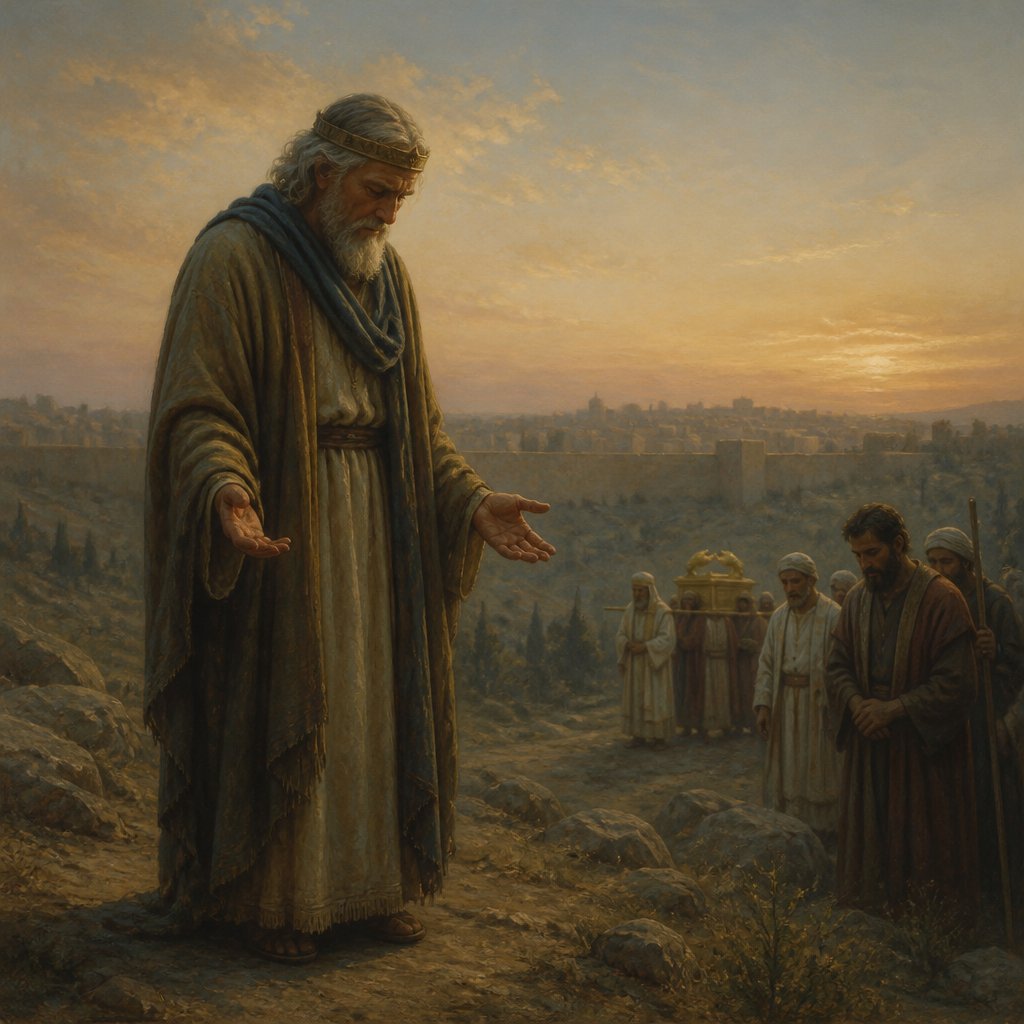
In the unfolding narrative of 2 Samuel, the complexities of human emotion, divine sovereignty, and the consequences of our choices come to the forefront. The verse, "But if he thus say, I have no delight in thee; behold, here am I, let him do to me as seemeth good unto him" (2 Samuel 15:26, KJV), captures a profound moment of submission and trust in God’s plan, even amidst turmoil and betrayal.
The context of this verse centers around the turbulent period in King David's life. David is facing rebellion from his son Absalom, who has risen in insurrection against him. This was no ordinary familial conflict; it was a moment fraught with weighty implications, reflecting both personal anguish and national crisis. As David flees Jerusalem, he is confronted with the possibility of losing everything he holds dear. Yet, in this critical moment, we see a remarkable demonstration of faith and surrender.
David’s response encapsulates the essence of true surrender: recognizing that while he is king, he is not above divine authority. He expresses a readiness to accept whatever fate God has in store for him, revealing a heart attuned to the sovereignty of God. By saying, “behold, here am I,” David is not merely resigning to despair but is openly presenting himself before God. This signifies an act of humility, an acknowledgment that ultimately, God's will prevails over the schemes of people.
In our lives, we often face situations where we feel out of control. When calamity strikes or circumstances disrupt our carefully laid plans, it's easy to slip into despair or frustration. We may cry out to God for relief or for things to return to the way they were. However, like David, we are called to a deeper understanding of God’s sovereignty. When we respond with, "let him do to me as seemeth good unto him," we affirm our trust in God’s wisdom and goodness, even when the path ahead is unclear.
This response is not an easy one. It requires a shift from self-reliance to dependence on God. Our human instinct is to manage our lives tightly, seeking to orchestrate outcomes for comfort and security. When faced with adversity, we often question our worth or God’s plans for us, feeling abandoned or rejected. Yet, David’s declaration beckons us to evaluate our hearts. Are we willing to accept divine will, even if it leads us through valleys of darkness? Are we prepared to trust that God’s good purposes can emerge from our suffering and uncertainty?
By juxtaposing David's expression of vulnerability with the ideal of divine stewardship, we uncover the beauty of Biblical surrender. This surrender does not mean defeat; rather, it symbolizes aligning ourselves with God's greater plan. In our moments of despair, acknowledging our limitations and proclaiming God’s sovereignty allows us to find peace amidst chaos.
This theme is echoed throughout Scripture—Job wrestled with loss and suffering yet cried out to God, knowing that God was sovereign (Job 13:15). Jesus, in the garden of Gethsemane, submitted to the Father’s will, saying, “Not my will, but thine, be done” (Luke 22:42). Each moment of surrender is a reminder that God is not indifferent to our struggles; instead, He invites us into a relationship built on trust and faith.
In closing, let us reflect on our own lives. Are there areas where we are resisting God's sovereignty? What burdens are we carrying that we need to release? May we echo David’s commitment, surrendering ourselves before God, saying, "Here am I, let him do to me as seemeth good unto him." In doing so, we embrace the truth that in every circumstance, God’s presence and providence remain faithful.
Want to reflect more on 2 Samuel 15:26?
Continue your spiritual journey with Bible Chat — an AI-powered tool for exploring God's Word through conversation. Ask questions, discover connections, and deepen your understanding.
Get Our Apps


2 Samuel 15:26 Artwork

2 Samuel 15:26 - "But if he thus say, I have no delight in thee; behold, here am I, let him do to me as seemeth good unto him."
"But if he thus say, I have no delight in thee; behold, here am I, let him do to me as seemeth good unto him." - 2 Samuel 15:26

1 Samuel 2:26 - "And the child Samuel grew on, and was in favour both with the LORD, and also with men."

1 Samuel 15:26 (KJVA) 26 And Samuel said unto Saul, I will not return with thee: for thou hast rejected the word of the LORD, and the LORD hath rejected thee from being king over Israel.

1 Samuel 15:26 - "And Samuel said unto Saul, I will not return with thee: for thou hast rejected the word of the LORD, and the LORD hath rejected thee from being king over Israel."

2 Samuel 17:26 - "So Israel and Absalom pitched in the land of Gilead."

2 Samuel 23:26 - "Helez the Paltite, Ira the son of Ikkesh the Tekoite,"

2 Samuel 20:26 - "And Ira also the Jairite was a chief ruler about David."

2 Samuel 12:26 - "And Joab fought against Rabbah of the children of Ammon, and took the royal city."

2 Samuel 5:15 - "Ibhar also, and Elishua, and Nepheg, and Japhia,"

"And the child Samuel grew on, and was in favour both with the LORD, and also with men." - 1 Samuel 2:26

2 Samuel 11:26 - "¶ And when the wife of Uriah heard that Uriah her husband was dead, she mourned for her husband."

2 Samuel 22:26 - "With the merciful thou wilt shew thyself merciful, and with the upright man thou wilt shew thyself upright."

2 Samuel 2:15 - "Then there arose and went over by number twelve of Benjamin, which pertained to Ish-bosheth the son of Saul, and twelve of the servants of David."

2 Samuel 15:15 - "And the king's servants said unto the king, Behold, thy servants are ready to do whatsoever my lord the king shall appoint."

2 Samuel 16:15 - "¶ And Absalom, and all the people the men of Israel, came to Jerusalem, and Ahithophel with him."

2 Samuel 15:13 - "¶ And there came a messenger to David, saying, The hearts of the men of Israel are after Absalom."

2 Samuel 15:37 - "So Hushai David's friend came into the city, and Absalom came into Jerusalem."

2 Samuel 15:29 - "Zadok therefore and Abiathar carried the ark of God again to Jerusalem: and they tarried there."

2 Samuel 22:15 - "And he sent out arrows, and scattered them; lightning, and discomfited them."

2 Kings 15:26 - "And the rest of the acts of Pekahiah, and all that he did, behold, they are written in the book of the chronicles of the kings of Israel."

2 Samuel 10:15 - "¶ And when the Syrians saw that they were smitten before Israel, they gathered themselves together."

"Helez the Paltite, Ira the son of Ikkesh the Tekoite," - 2 Samuel 23:26

"So Israel and Absalom pitched in the land of Gilead." - 2 Samuel 17:26

1 Samuel 26:2 - "Then Saul arose, and went down to the wilderness of Ziph, having three thousand chosen men of Israel with him, to seek David in the wilderness of Ziph."

1 Samuel 26:15 - "And David said to Abner, Art not thou a valiant man? and who is like to thee in Israel? wherefore then hast thou not kept thy lord the king? for there came one of the people in to destroy the king thy lord."

2 Samuel 15:17 - "And the king went forth, and all the people after him, and tarried in a place that was far off."

2 Samuel 15:9 - "And the king said unto him, Go in peace. So he arose, and went to Hebron."

2 Samuel 18:15 - "And ten young men that bare Joab's armour compassed about and smote Absalom, and slew him."

2 Samuel 6:15 - "So David and all the house of Israel brought up the ark of the LORD with shouting, and with the sound of the trumpet."