Remembering the Words: A Call to Mindfulness in Faith
"That ye may be mindful of the words which were spoken before by the holy prophets, and of the commandment of us the apostles of the Lord and Saviour:" - 2 Peter 3:2

In the landscape of our spiritual journey, reflection and remembrance are powerful tools that guide our life choices and strengthen our faith. The verse 2 Peter 3:2 states, "That ye may be mindful of the words which were spoken before by the holy prophets, and of the commandment of us the apostles of the Lord and Saviour." This verse draws our attention to the foundational truths spoken by both prophets of old and the apostles, urging us to keep them at the forefront of our minds.
**The Call to Mindfulness**
Peter emphasizes the significance of being "mindful"—it is an instructive call for us to actively engage with the teachings of Scripture. Mindfulness in this context involves more than just recalling information; it is about internalizing the message so deeply that it influences our behavior and decisions. The holy prophets of the Old Testament delivered God's revelations with authority, foretelling events and calling people back to righteousness. Their words were not just for a specific time or people; they transcend the ages, remaining relevant and prophetic in today’s world.
In our fast-paced lives, it is easy to overlook these timeless truths. Distractions abound—from the constant buzz of technology to the pressures of modern living—but God calls us to slow down and remember. Taking time to remember involves not only reciting biblical texts but also meditating on their meanings and implications. What do these words mean for you, individually, and collectively as a body of Christ?
**The Authority of the Apostles**
Peter connects the ancient words of the prophets with the commands of the apostles. Just as the prophets were honored vessels of God’s voice, the apostles carried forth Christ’s teachings after His resurrection. We have in their letters, a clear depiction of Christ’s heart and mission. They remind us of the importance of love, grace, and the call to spread the Gospel. Their words offer confidence and conviction, encouraging us to stand firm in our faith amidst trials and temptations.
When facing contemporary issues—whether they involve moral dilemmas, ethical uncertainties, or doubt—we find solace and clarity in the teachings that Peter refers to. The epistles provide wisdom for navigating life’s complexities while remaining anchored in truth. The commandments of the apostles are not merely guidelines; they are life-giving instructions meant to draw us nearer to Christ and strengthen our communities.
**Learning from the Past**
Remembering the words spoken before encourages us to reflect on our spiritual heritage. Each prophetic declaration and apostolic command contribute to a larger narrative of God’s redemptive history. As we look back, we recognize patterns of faithfulness and unfaithfulness. In Israel’s wandering and God’s persistent mercy, we observe lessons about reliance and obedience. The early church’s struggles and triumphs exemplify how faith often flourishes through adversity.
In a world increasingly skeptical of divine authority, our commitment to remembering these words serves as a countercultural statement. It is an act of stewardship over our faith and an acknowledgment of the past that continues to shape our present.
**Practical Application**
To be mindful of the words of the prophets and apostles requires intentional actions:
1. **Daily Meditation**: Set aside time daily to read and meditate on Scripture. Let it wash over you, transforming your thoughts and actions.
2. **Community Study**: Engage with others in studying the Bible. Share insights and wrestle with difficult passages. These discussions can deepen understanding.
3. **Prayerful Reflection**: In prayer, ask God to reveal how these words apply to your life today. Seek His guidance in embodying the truth of His commandments.
4. **Testimony Sharing**: Share how the teachings shape your life with others. Your testimony can inspire and encourage newfound faith in those who hear it.
In conclusion, 2 Peter 3:2 calls us to a deeper, mindful engagement with the words of prophets and apostles. Being equipped by their wisdom, we can stand steadfastly in faith, even as we navigate uncertain times. This habitual remembrance nourishes our souls and empowers us to be lights in a world yearning for truth.
Want to reflect more on 2 Peter 3:2?
Continue your spiritual journey with Bible Chat — an AI-powered tool for exploring God's Word through conversation. Ask questions, discover connections, and deepen your understanding.
Get Our Apps


2 Peter 3:2 Artwork

2 Peter 3:2 - "That ye may be mindful of the words which were spoken before by the holy prophets, and of the commandment of us the apostles of the Lord and Saviour:"

"That ye may be mindful of the words which were spoken before by the holy prophets, and of the commandment of us the apostles of the Lord and Saviour:" - 2 Peter 3:2

2 Peter 3:6 - "Whereby the world that then was, being overflowed with water, perished:"

1 Peter 2:3 - "If so be ye have tasted that the Lord is gracious."

2 Peter 3:3 - "Knowing this first, that there shall come in the last days scoffers, walking after their own lusts,"

2 Peter 3:10 – "But the day of the Lord will come like a thief. The heavens will disappear with a roar."

1 Peter 3:2 - "While they behold your chaste conversation coupled with fear."

2 Peter 3:5 - "For this they willingly are ignorant of, that by the word of God the heavens were of old, and the earth standing out of the water and in the water:"

1 Peter 2:2-3 - "Like newborn babies, crave pure spiritual milk, so that by it you may grow up in your salvation, now that you have tasted that the Lord is good."

2 Peter 3:8 - "But, beloved, be not ignorant of this one thing, that one day is with the Lord as a thousand years, and a thousand years as one day."

2 Peter 3:13 - "Nevertheless we, according to his promise, look for new heavens and a new earth, wherein dwelleth righteousness."

2 Peter 3:11 - "Seeing then that all these things shall be dissolved, what manner of persons ought ye to be in all holy conversation and godliness,"

2 Peter 3:18 - "But grow in grace, and in the knowledge of our Lord and Saviour Jesus Christ. To him be glory both now and for ever. Amen."

2 Peter 3:14 - "Wherefore, beloved, seeing that ye look for such things, be diligent that ye may be found of him in peace, without spot, and blameless."

"If so be ye have tasted that the Lord is gracious." - 1 Peter 2:3

"Whereby the world that then was, being overflowed with water, perished:" - 2 Peter 3:6

2 Peter 3:4 - "And saying, Where is the promise of his coming? for since the fathers fell asleep, all things continue as they were from the beginning of the creation."

2 Peter 2:9

2 Peter 2:9

2 Peter 3:12 - "Looking for and hasting unto the coming of the day of God, wherein the heavens being on fire shall be dissolved, and the elements shall melt with fervent heat?"

2 Peter 3:7 - "But the heavens and the earth, which are now, by the same word are kept in store, reserved unto fire against the day of judgment and perdition of ungodly men."

"While they behold your chaste conversation coupled with fear." - 1 Peter 3:2

2 Peter 3:1 - "This second epistle, beloved, I now write unto you; in both which I stir up your pure minds by way of remembrance:"

2 Peter 3:11 being holy and being godly. Reflections of our father in heaven

2 Peter 2:19 KJV
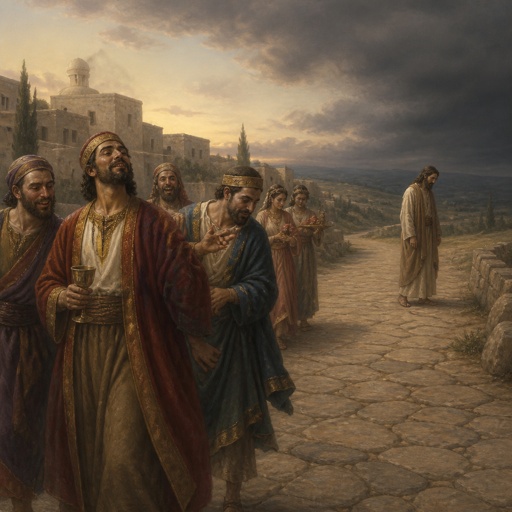
"Knowing this first, that there shall come in the last days scoffers, walking after their own lusts," - 2 Peter 3:3

2 Peter 3:15 - "And account that the longsuffering of our Lord is salvation; even as our beloved brother Paul also according to the wisdom given unto him hath written unto you;"

"But, beloved, be not ignorant of this one thing, that one day is with the Lord as a thousand years, and a thousand years as one day." - 2 Peter 3:8

"But, beloved, be not ignorant of this one thing, that one day is with the Lord as a thousand years, and a thousand years as one day." - 2 Peter 3:8

2 Peter 3:9 - "The Lord is not slack concerning his promise, as some men count slackness; but is longsuffering to us-ward, not willing that any should perish, but that all should come to repentance."