It Is Well: A Declaration of Faith
"Run now, I pray thee, to meet her, and say unto her, Is it well with thee? is it well with thy husband? is it well with the child? And she answered, It is well." - 2 Kings 4:26
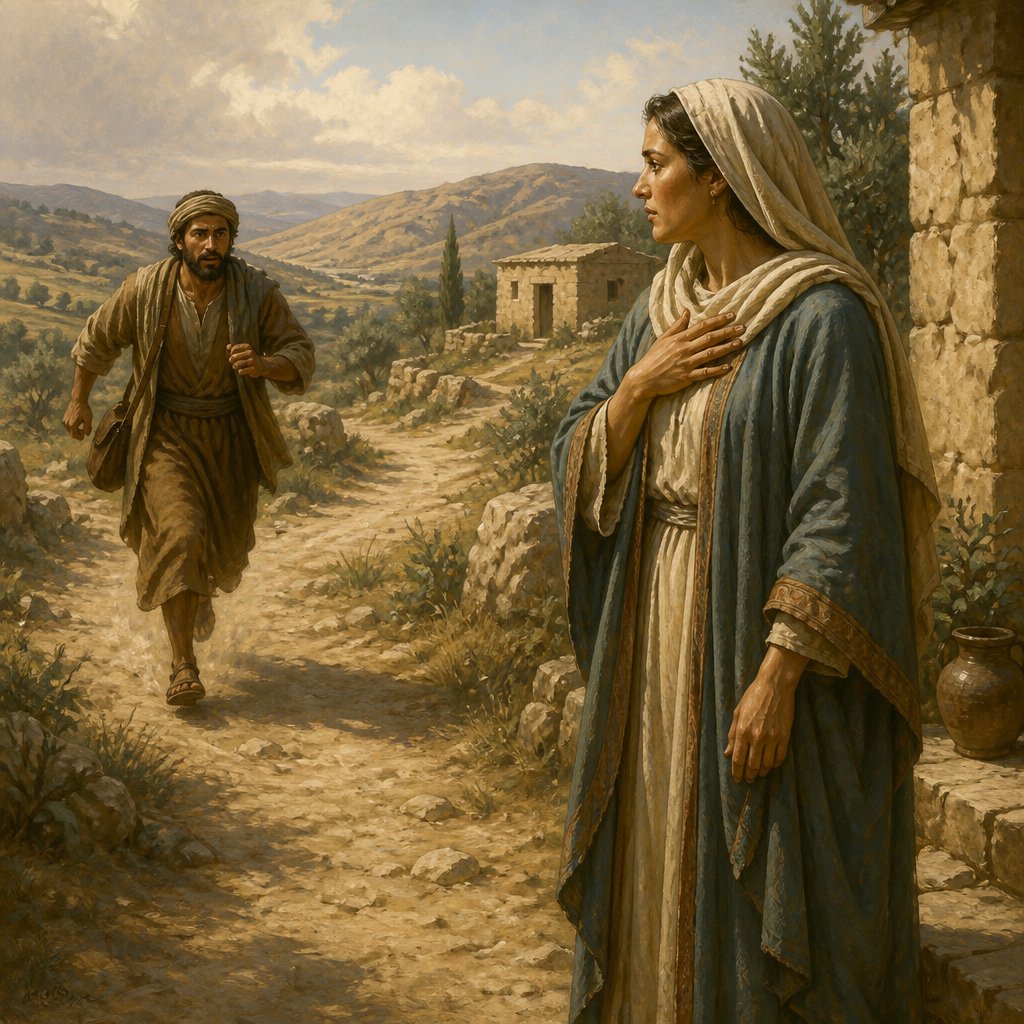
In the narrative of 2 Kings 4:26, we encounter a poignant moment of faith and resilience encapsulated in the simple yet profound interchange between Elisha’s servant and the Shunammite woman. The verse reads, "Run now, I pray thee, to meet her, and say unto her, Is it well with thee? is it well with thy husband? is it well with the child? And she answered, It is well."
At first glance, this declaration, "It is well," appears almost perfunctory, a socially polite response to an inquiry about her circumstances. However, as we delve deeper into the narrative, we uncover layers of meaning that speak to the essence of faith, loss, and assurance in God’s providence.
The context reveals that the Shunammite woman had faced tremendous challenges. She had long endured barrenness, a deep sorrow in her culture, where children were seen as blessings. But through the prophet Elisha, her heart's desire was granted, and she bore a son. Yet, tragedy strikes when her son dies unexpectedly, leaving her heartbroken. Despite this overwhelming grief, while rushing towards Elisha, she chooses to respond with faith instead of despair. The question, "Is it well?" holds great weight; she could have expressed her turmoil and anguish, yet she chooses to voice a statement of assurance: "It is well."
This encounter teaches us about the power of words and the profound impact of our declarations. The Shunammite woman's response serves as an incredible example of faith under pressure. Rather than giving in to her sorrow or revealing her deep anguish, she speaks out a truth aligned with her faith in God’s goodness and faithfulness, despite her circumstances. It reflects an inner conviction that transcends the reality of her situation. She knew that her God was capable of restoration, healing, and miraculous interventions.
In our lives, we often face moments where the pressures of earthly circumstances try to distort our perceptions of what is well. Financial struggles, health issues, relational challenges, and fears can overwhelm us, causing us to question God’s goodness or the state of our own hearts. In these moments, God calls us to respond like the Shunammite woman—not in denial of our pain, but in declaration of His sovereignty.
The phrase "It is well" is reminiscent of many scriptures throughout the Bible that reassures us of God’s presence. For instance, in Philippians 4:6-7, Paul urges us not to be anxious but, through prayer and supplication, to present our requests to God so that His peace can guard our hearts and minds. Similarly, like the Shunammite woman, our declaration can be a bridge to accessing God’s peace amidst chaotic situations.
When we encounter moments that threaten to upheave our lives or rattle our faith, we can learn to invoke our own declarations of faith: "It is well with my soul, for God is with me. It is well for my troubles do not define me, Christ does. It is well, for my future is secure in Him." The Shunammite woman did not see her situation as the end, but rather as a part of a divine narrative that God was writing in her life.
In closing, the vignette in 2 Kings 4:26 is a testament to steadfast faith in the face of adversity. It challenges us to reflect on our own circumstances and encourages us to respond in faith, embodying the assurance that God’s presence brings amidst turmoil. Let us remember that even when circumstances seem dire, our God is still in control, and we can proclaim, "It is well, for I trust in Him who holds my future and my heart." Therefore, let us declare it with confidence, not just as a mantra, but as a truth we choose to walk in every day.
Want to reflect more on 2 Kings 4:26?
Continue your spiritual journey with Bible Chat — an AI-powered tool for exploring God's Word through conversation. Ask questions, discover connections, and deepen your understanding.
Get Our Apps


2 Kings 4:26 Artwork

2 Kings 4:26 - "Run now, I pray thee, to meet her, and say unto her, Is it well with thee? is it well with thy husband? is it well with the child? And she answered, It is well."
"Run now, I pray thee, to meet her, and say unto her, Is it well with thee? is it well with thy husband? is it well with the child? And she answered, It is well." - 2 Kings 4:26

1 Kings 4:26 - "¶ And Solomon had forty thousand stalls of horses for his chariots, and twelve thousand horsemen."

2 Kings 15:26 - "And the rest of the acts of Pekahiah, and all that he did, behold, they are written in the book of the chronicles of the kings of Israel."

Acts 4:26 - "The kings of the earth stood up, and the rulers were gathered together against the Lord, and against his Christ."

"¶ And Solomon had forty thousand stalls of horses for his chariots, and twelve thousand horsemen." - 1 Kings 4:26

2 Kings 4:4-5

2 Kings 10:26 - "And they brought forth the images out of the house of Baal, and burned them."

Jeremiah 2:26 - "As the thief is ashamed when he is found, so is the house of Israel ashamed; they, their kings, their princes, and their priests, and their prophets,"

2 Chronicles 25:26 - "Now the rest of the acts of Amaziah, first and last, behold, are they not written in the book of the kings of Judah and Israel?"

2 Kings 21:26 - "And he was buried in his sepulchre in the garden of Uzza: and Josiah his son reigned in his stead."

2 Kings 6:26 - "And as the king of Israel was passing by upon the wall, there cried a woman unto him, saying, Help, my lord, O king."

2 Kings 25:26 - "And all the people, both small and great, and the captains of the armies, arose, and came to Egypt: for they were afraid of the Chaldees."

2 Chronicles 9:26 - "¶ And he reigned over all the kings from the river even unto the land of the Philistines, and to the border of Egypt."

2 Chronicles 28:26 (KJVA) 26 Now the rest of his acts and of all his ways, first and last, behold, they are written in the book of the kings of Judah and Israel.

2 Chronicles 28:26 (KJVA) 26 Now the rest of his acts and of all his ways, first and last, behold, they are written in the book of the kings of Judah and Israel.

2 Chronicles 28:26 (KJVA) 26 Now the rest of his acts and of all his ways, first and last, behold, they are written in the book of the kings of Judah and Israel.

2 Chronicles 28:26 (KJVA) 26 Now the rest of his acts and of all his ways, first and last, behold, they are written in the book of the kings of Judah and Israel.

2 Chronicles 28:26 - "¶ Now the rest of his acts and of all his ways, first and last, behold, they are written in the book of the kings of Judah and Israel."

2 Kings 10:4 - "But they were exceedingly afraid, and said, Behold, two kings stood not before him: how then shall we stand?"

2 Kings 14:26 - "For the LORD saw the affliction of Israel, that it was very bitter: for there was not any shut up, nor any left, nor any helper for Israel."

2 Chronicles 26:4 - "And he did that which was right in the sight of the LORD, according to all that his father Amaziah did."

"And the rest of the acts of Pekahiah, and all that he did, behold, they are written in the book of the chronicles of the kings of Israel." - 2 Kings 15:26

2 Kings 4:11 - "And it fell on a day, that he came thither, and he turned into the chamber, and lay there."

1 Kings 4:2 - "And these were the princes which he had; Azariah the son of Zadok the priest,"

"And they brought forth the images out of the house of Baal, and burned them." - 2 Kings 10:26

2 Kings 9:4 - "¶ So the young man, even the young man the prophet, went to Ramoth-gilead."

2 Kings 6:4 - "So he went with them. And when they came to Jordan, they cut down wood."
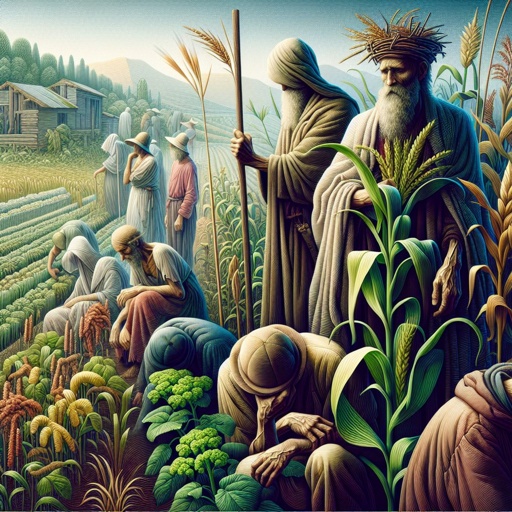
2 Kings 19:26 - "Therefore their inhabitants were of small power, they were dismayed and confounded; they were as the grass of the field, and as the green herb, as the grass on the housetops, and as corn blasted before it be grown up."

2 Kings 8:26 - "Two and twenty years old was Ahaziah when he began to reign; and he reigned one year in Jerusalem. And his mother's name was Athaliah, the daughter of Omri king of Israel."