A Legacy of Faith: Embracing the Silent Plea
"And he said, What then is to be done for her? And Gehazi answered, Verily she hath no child, and her husband is old." - 2 Kings 4:14
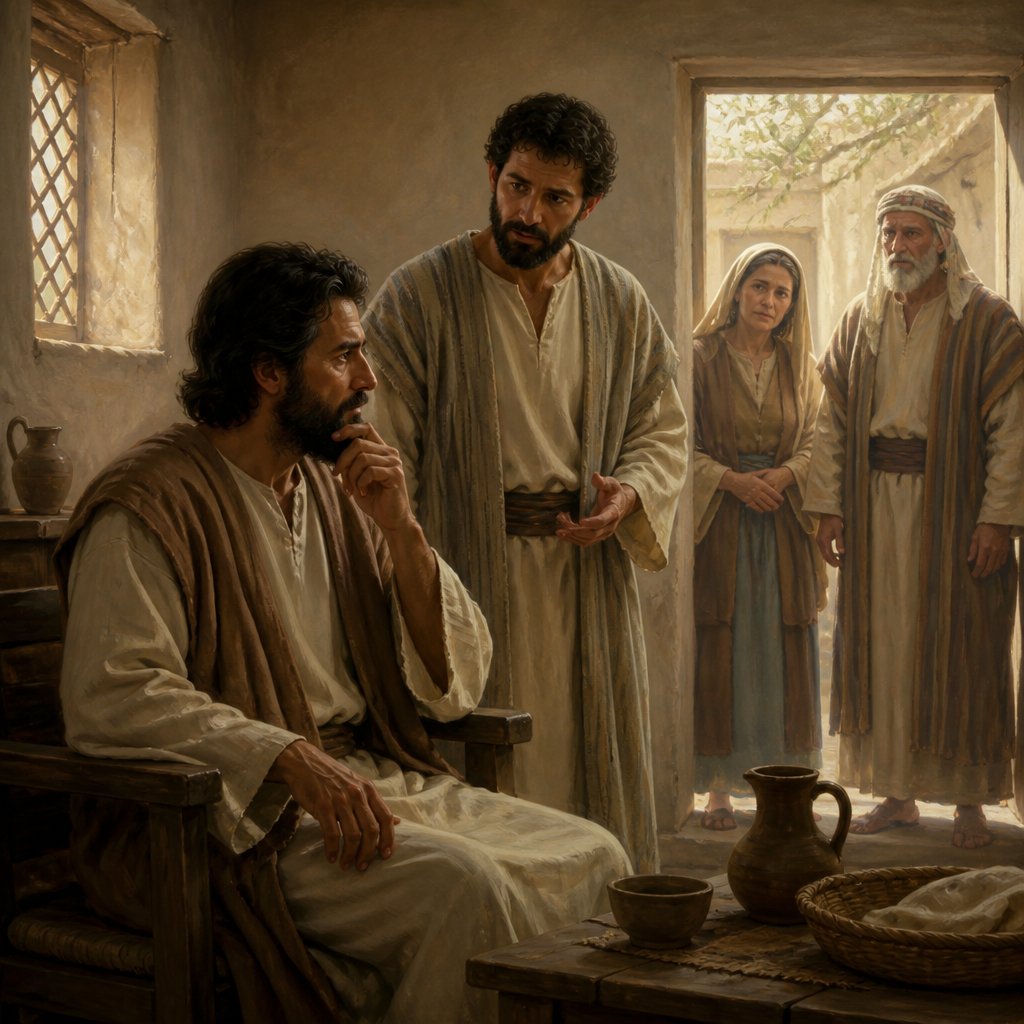
**Devotional Based on 2 Kings 4:14**
*“And he said, What then is to be done for her? And Gehazi answered, Verily she hath no child, and her husband is old.”*
In the landscape of Scripture, the tales of the prophets often unveil deeper truths about human longing and divine providence. The story surrounding Elisha, the Shunammite woman, and her silent heartache reflects more than just a miracle; it embodies the intricate dance between hope and despair, desire and fulfillment, that each believer navigates in their faith journey.
Elisha, a prophet of God, had been welcomed into the home of a well-to-do Shunammite woman who recognized his divine calling and made a point to provide for him. She prepared a room in her house, furnished it to offer comfort, and ensured that he had a place to rest. This act of hospitality was not simply a gesture of kindness—it was a declaration of her values and faith, an acknowledgment of the power and presence of God in her life through Elisha’s ministry.
But within this woman's ample provisions and service lay a significant void—she had no child, and her husband was old. This poignant detail presented to Gehazi evokes profound layers of meaning in the life of the Shunammite woman. The absence of a child in biblical times was a source of deep anguish and societal stigma, particularly for women. To have children was seen as a blessing, a legacy to carry on through generations. In this context, her silence and subsequent yearning bring forth the challenge of unvoiced prayers, of longing hearts weighing heavily under the burden of what-ifs.
As we reflect on this verse, we recognize that even in her abundance, the Shunammite woman suffered from a silent plea—a desperate longing for a child, evidencing the complexity of human experience and emotions. Life does not always unfold in the patterns we expect or hope for, and sometimes, as with the Shunammite woman, the depths of our longing can be disguised by outward appearances.
Gehazi’s response to Elisha’s inquiry is critical. By stating, “Verily she hath no child,” he underscores the reality of her situation. It compels us to recognize that God sees the entirety of our lives; not just our joys and triumphs but our struggles and heartaches. God is fully aware of what remains unspoken—those hidden desires and unresolved sorrows that linger within us.
The Lord desires to know our hearts, not just in joy, but in our melancholy as well. The Shunammite woman’s grief does not go unnoticed. Through reflection, we are reminded that God’s timing is perfect, even when the gears of our lives seem stalled. It is in these waiting periods that faith is cultivated, patience is deepened, and intimacy with God becomes more profound.
Elisha’s imminent response to her plight would ultimately reveal God’s heart—a direct answer to her uncried tears. The story progresses to unfold God’s miraculous provision, offering her more than she could have imagined. This highlights the truth that even when we feel forgotten or overlooked, God is acutely aware of our needs—and often has greater plans for us than what we can see.
As we traverse through the valleys of our longing, may we bring our silent prayers to God, inviting Him to speak into the depths of our hearts. Just as the Shunammite woman did, we must express our dreams and desires, recognizing that our stories are being woven into the grandeur of God's purpose.
Let this scripture encourage us to be open about our needs, trusting that God not only knows our hearts but also hears our silent pleas. He is ever ready to respond and orchestrate blessings that align with His will for our lives, even amid what may appear to be our greatest challenges.
**Prayer:**
Heavenly Father, thank You for knowing the depths of my heart even when I find it hard to express my needs. Help me to trust in Your timing and Your purposes, believing that You are working all things together for my good and Your glory. Amen.
Want to reflect more on 2 Kings 4:14?
Continue your spiritual journey with Bible Chat — an AI-powered tool for exploring God's Word through conversation. Ask questions, discover connections, and deepen your understanding.
Get Our Apps


2 Kings 4:14 Artwork

2 Kings 4:14 - "And he said, What then is to be done for her? And Gehazi answered, Verily she hath no child, and her husband is old."

"And he said, What then is to be done for her? And Gehazi answered, Verily she hath no child, and her husband is old." - 2 Kings 4:14

2 Kings 14:4 - "Howbeit the high places were not taken away: as yet the people did sacrifice and burnt incense on the high places."

1 Kings 4:14 - "Ahinadab the son of Iddo had Mahanaim:"

"Ahinadab the son of Iddo had Mahanaim:" - 1 Kings 4:14

2 Kings 14:18 - "And the rest of the acts of Amaziah, are they not written in the book of the chronicles of the kings of Judah?"

2 Kings 4:4-5

2 Kings 14:29 - "And Jeroboam slept with his fathers, even with the kings of Israel; and Zachariah his son reigned in his stead."

2 Kings 12:14 - "But they gave that to the workmen, and repaired therewith the house of the LORD."

2 Kings 14:16 - "And Jehoash slept with his fathers, and was buried in Samaria with the kings of Israel; and Jeroboam his son reigned in his stead."

2 Kings 14:14 - "And he took all the gold and silver, and all the vessels that were found in the house of the LORD, and in the treasures of the king's house, and hostages, and returned to Samaria."

"Howbeit the high places were not taken away: as yet the people did sacrifice and burnt incense on the high places." - 2 Kings 14:4

2 Kings 14:22 - "He built Elath, and restored it to Judah, after that the king slept with his fathers."

2 Kings 14:12 - "And Judah was put to the worse before Israel; and they fled every man to their tents."

2 Kings 14:15 - "¶ Now the rest of the acts of Jehoash which he did, and his might, and how he fought with Amaziah king of Judah, are they not written in the book of the chronicles of the kings of Israel?"

2 Kings 10:4 - "But they were exceedingly afraid, and said, Behold, two kings stood not before him: how then shall we stand?"

2 Kings 14:20 - "And they brought him on horses: and he was buried at Jerusalem with his fathers in the city of David."

"And the rest of the acts of Amaziah, are they not written in the book of the chronicles of the kings of Judah?" - 2 Kings 14:18

2 Kings 14:1 - "In the second year of Joash son of Jehoahaz king of Israel reigned Amaziah the son of Joash king of Judah."

2 Kings 25:14 - "And the pots, and the shovels, and the snuffers, and the spoons, and all the vessels of brass wherewith they ministered, took they away."

2 Kings 7:14 - "They took therefore two chariot horses; and the king sent after the host of the Syrians, saying, Go and see."

1 Kings 2:14 - "He said moreover, I have somewhat to say unto thee. And she said, Say on."

2 Kings 17:14 - "Notwithstanding they would not hear, but hardened their necks, like to the neck of their fathers, that did not believe in the LORD their God."

2 Kings 4:11 - "And it fell on a day, that he came thither, and he turned into the chamber, and lay there."

2 Kings 14:17 - "¶ And Amaziah the son of Joash king of Judah lived after the death of Jehoash son of Jehoahaz king of Israel fifteen years."

2 Kings 6:14 - "Therefore sent he thither horses, and chariots, and a great host: and they came by night, and compassed the city about."

1 Kings 4:2 - "And these were the princes which he had; Azariah the son of Zadok the priest,"

2 Kings 14:2 - "He was twenty and five years old when he began to reign, and reigned twenty and nine years in Jerusalem. And his mother's name was Jehoaddan of Jerusalem."

2 Kings 9:4 - "¶ So the young man, even the young man the prophet, went to Ramoth-gilead."

2 Kings 6:4 - "So he went with them. And when they came to Jordan, they cut down wood."