The Sacrifice That Shook a Nation
"Then he took his eldest son that should have reigned in his stead, and offered him for a burnt offering upon the wall. And there was great indignation against Israel: and they departed from him, and returned to their own land." - 2 Kings 3:27
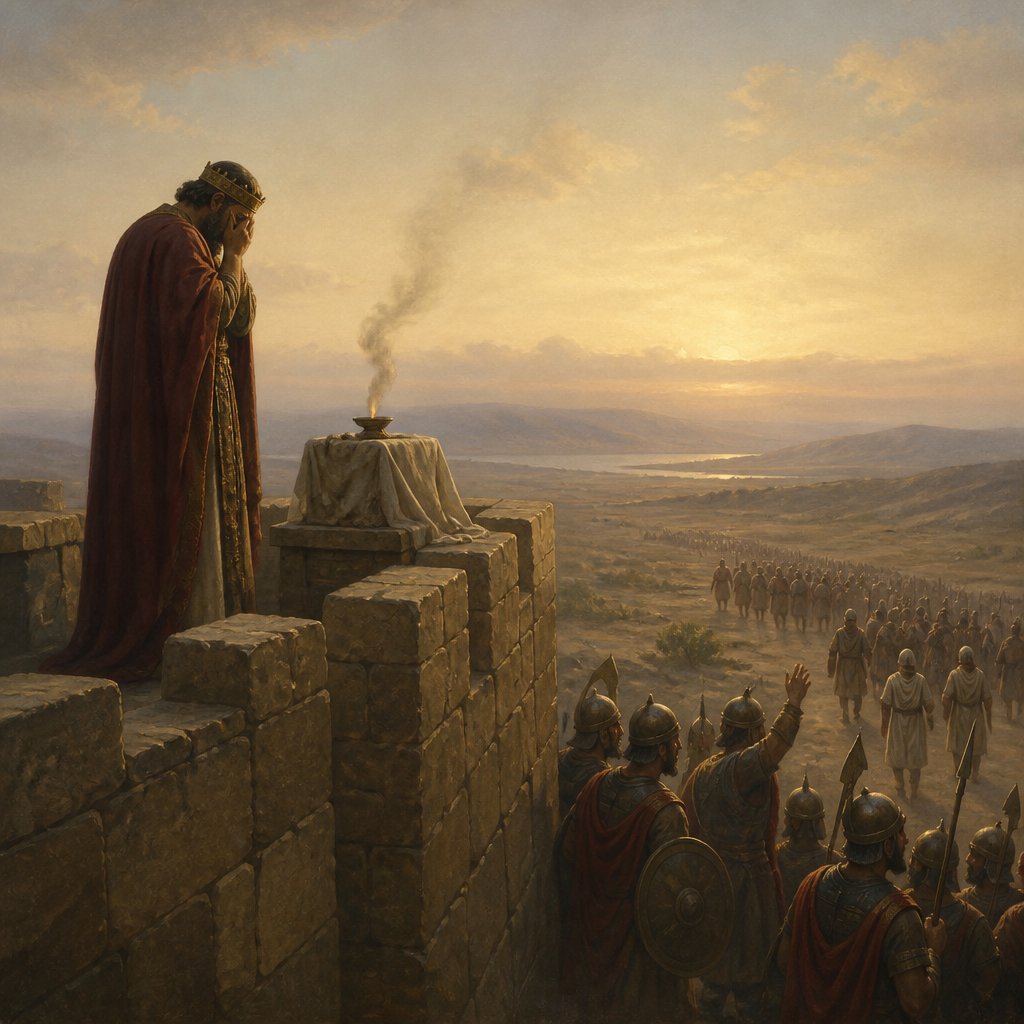
The depths of human desperation can unveil the darkest aspects of our hearts, especially when confronted with seemingly insurmountable challenges. In 2 Kings 3:27, we encounter a moment of both tragedy and revelation: "Then he took his eldest son that should have reigned in his stead, and offered him for a burnt offering upon the wall. And there was great indignation against Israel: and they departed from him, and returned to their own land."
This verse captures a harrowing scene where Mesha, the king of Moab, sacrifices his own son. At first glance, it may seem like just another historical episode recorded in the annals of time, but it provokes us to ponder the implications of such an action—implications that resonate deeply within the human experience today.
Mesha found himself in a dire situation, cornered by his enemies, the Israelites led by King Jehoram. The Moabites had rebelled against Israel, and in response, they were met with a formidable coalition determined to reclaim control. In this moment of vulnerability, Mesha’s extreme act of sacrifice is a testament to the earthly kingship’s pressure and the ancient practices that often included human sacrifice to appease deities in hopes of achieving victory.
The act of sacrificing his son reveals several layers of desperation, loyalty, and misguided faith. Mesha believed that to invoke favor from his gods, he must offer them something of great value—his firstborn son—symbolizing continuity and a future altogether for his line. Yet, what does this reflect about our perceptions of sacrifice and worship?
Sacrifice, in its purest form, is an offering made with the intention of honoring something greater than oneself. However, the manner of one’s sacrifice signifies the belief and faith one possesses. Mesha turned to an abhorrent form of worship, which only resulted in great indignation against Israel, leading the armies to withdraw in frustration. His extreme action did not summon a miracle but rather bred contempt and resulted in isolation borne from disapproval of such an act of barbarity.
In contemplating Mesha's sacrifice, we are prompted to examine the nature of our own sacrifices. Are we seeking the approval of mere earthly standards, or are we striving to align our actions with the will of God? Romans 12:1 teaches us about the essence of true worship, calling believers to present their bodies as living sacrifices, holy and acceptable unto God, which is our reasonable service. Here we find a stark contrast to the tragic offering of Mesha, which was steeped in desperation rather than devotion.
Mesha's actions also remind us of the collateral damage that often accompanies misguided attempts at securing favor. His sacrifice led not to victory but disunity and estrangement from the Israelites, exposing the futility of his actions. This evokes the question of what price we are willing to pay to achieve understanding or acceptance among our peers, our communities, and most importantly, in our relationship with God. Are we sacrificing our integrity, our values, or even our relationships to chase validation?
Furthermore, in moments of distress when we feel at the end of our rope, we must remember that the sacrifices we offer need to be rooted in faith and guided by love. Instead of resorting to acts that stray from God’s teaching, we could turn our hearts toward serving others, seeking justice, and embodying grace. Such sacrifices reflect a heart transformed by the love of Christ.
As we reflect on this verse and Mesha’s tragic choice, let it invite us to reevaluate what we value and how we choose to sacrifice. May we offer ourselves wholly to God, recognizing that our greatest offerings are those that draw us nearer to Him and lead us to a higher understanding of love that transcends destruction.
Want to reflect more on 2 Kings 3:27?
Continue your spiritual journey with Bible Chat — an AI-powered tool for exploring God's Word through conversation. Ask questions, discover connections, and deepen your understanding.
Get Our Apps


2 Kings 3:27 Artwork

2 Kings 3:27 - "Then he took his eldest son that should have reigned in his stead, and offered him for a burnt offering upon the wall. And there was great indignation against Israel: and they departed from him, and returned to their own land."
"Then he took his eldest son that should have reigned in his stead, and offered him for a burnt offering upon the wall. And there was great indignation against Israel: and they departed from him, and returned to their own land." - 2 Kings 3:27

1 Kings 3:27 - "Then the king answered and said, Give her the living child, and in no wise slay it: she is the mother thereof."

2 Kings 3:15

2 Kings 3:15

2 Kings 3:15

2 Kings 3:16-19

Psalm 27:2-3

2 Chronicles 35:27 - "And his deeds, first and last, behold, they are written in the book of the kings of Israel and Judah."

Jehoiachin is released from Babylonian jail 2 kings 25: 27

2 Kings 19:27 - "But I know thy abode, and thy going out, and thy coming in, and thy rage against me."

2 Kings 10:27 - "And they brake down the image of Baal, and brake down the house of Baal, and made it a draught house unto this day."
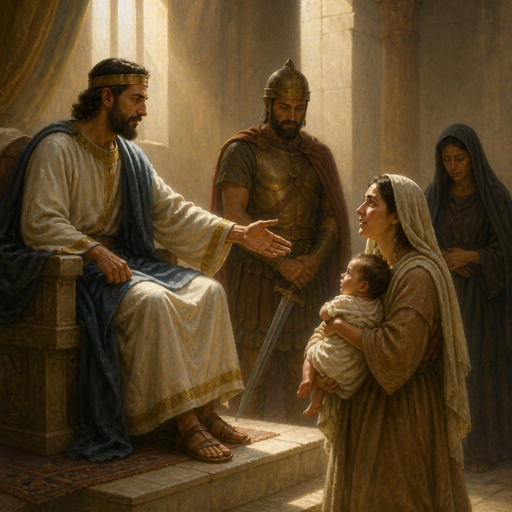
"Then the king answered and said, Give her the living child, and in no wise slay it: she is the mother thereof." - 1 Kings 3:27

2 Kings 3:10 - "And the king of Israel said, Alas! that the LORD hath called these three kings together, to deliver them into the hand of Moab!"

2 Chronicles 27:7 - "¶ Now the rest of the acts of Jotham, and all his wars, and his ways, lo, they are written in the book of the kings of Israel and Judah."

1Esdy 2:27 (KJVA) 27 And the men therein were given to rebellion and war: and that mighty kings and fierce were in Jerusalem, who reigned and exacted tributes in Celosyria and Phenice.

2 Kings 3:23 - "And they said, This is blood: the kings are surely slain, and they have smitten one another: now therefore, Moab, to the spoil."

2 Kings 6:27 - "And he said, If the LORD do not help thee, whence shall I help thee? out of the barnfloor, or out of the winepress?"

2 Kings 15:27 - "¶ In the two and fiftieth year of Azariah king of Judah Pekah the son of Remaliah began to reign over Israel in Samaria, and reigned twenty years."

2 Kings 3:6 - "¶ And king Jehoram went out of Samaria the same time, and numbered all Israel."

2 Chronicles 27:3 - "He built the high gate of the house of the LORD, and on the wall of Ophel he built much."

2 Kings 8:27 - "And he walked in the way of the house of Ahab, and did evil in the sight of the LORD, as did the house of Ahab: for he was the son in law of the house of Ahab."

2 Kings 3:16 - "And he said, Thus saith the LORD, Make this valley full of ditches."

2 Kings 14:27 - "And the LORD said not that he would blot out the name of Israel from under heaven: but he saved them by the hand of Jeroboam the son of Joash."

2 Kings 3:3 - "Nevertheless he cleaved unto the sins of Jeroboam the son of Nebat, which made Israel to sin; he departed not therefrom."

2 Kings 3:5 - "But it came to pass, when Ahab was dead, that the king of Moab rebelled against the king of Israel."

2 Kings 5:27 - "The leprosy therefore of Naaman shall cleave unto thee, and unto thy seed for ever. And he went out from his presence a leper as white as snow."

2 Chronicles 28:27 - "And Ahaz slept with his fathers, and they buried him in the city, even in Jerusalem: but they brought him not into the sepulchres of the kings of Israel: and Hezekiah his son reigned in his stead."

2 Kings 3:18 - "And this is but a light thing in the sight of the LORD: he will deliver the Moabites also into your hand."

2 Kings 25:3 - "And on the ninth day of the fourth month the famine prevailed in the city, and there was no bread for the people of the land."