The Divine Assurance: Seeking God’s Voice in Times of Uncertainty
"And Jehoshaphat said, The word of the LORD is with him. So the king of Israel and Jehoshaphat and the king of Edom went down to him." - 2 Kings 3:12
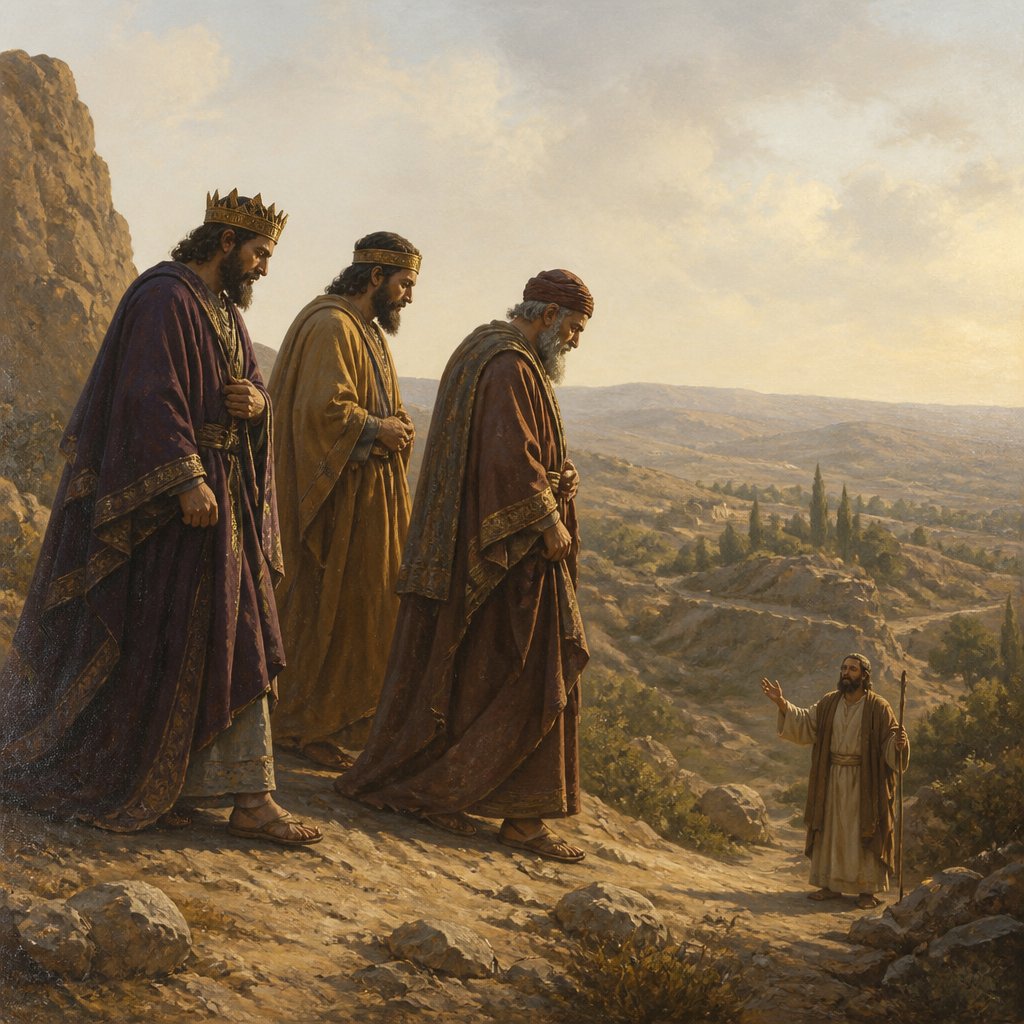
In the narrative found in 2 Kings 3, we come to a critical junction in the history of Israel, Judah, and Edom. The verse that captures our attention, "And Jehoshaphat said, The word of the LORD is with him. So the king of Israel and Jehoshaphat and the king of Edom went down to him" (2 Kings 3:12, KJV), reveals a profound truth about leaders, faith, and the importance of heeding God’s guidance.
The backdrop of this passage is a desperate situation. The kingdoms of Israel and Judah, along with Edom, faced an impending battle against Moab, a formidable foe that had rebelled against the authority of Israel. The alliance between these three kings was not one formed out of camaraderie but born out of necessity. Israel's king, Jehoram, was uncertain and anxious, and this atmosphere of dread permeated the camp. It is in this moment of turmoil that King Jehoshaphat’s words stand out.
Jehoshaphat, king of Judah, is known for his efforts to seek out God and uphold His commandments. Unlike Jehoram, who led Israel towards idolatry, Jehoshaphat sought to return the people to the worship of the One True God. His declaration, "The word of the LORD is with him," highlights a fundamental truth about the importance of the prophetic voice during times of crisis.
In the ancient Near Eastern context, the kings sought the favor of their deities through sacrifices and rituals, believing their success lay in the approval of the gods. Yet Jehoshaphat understood that true assurance and victory lie not in the military strength they could muster but in the divine guidance they could receive. He recognized that the prophet Elisha was a man who walked closely with God and spoke on His behalf. Therefore, the first critical lesson for us today is about discernment in leadership—assessing whom we are following and listening to. Are they in tune with God’s will? Are they sharing God’s message?
As the three kings went down to meet with Elisha, we see a humility and recognition of their need for God. Their approach serves as an excellent reminder for us during our times of distress. In the face of difficulties, we can adopt various approaches, including turning to our own understanding or relying solely on worldly wisdom, yet the call remains to seek out the divine words that bring clarity and strength.
Furthermore, consider what it means to have "the word of the LORD" with a person. Elisha was not just any prophet; he was a vessel through whom God communicated His will. When we search for answers in our lives, we must consider not only where we seek guidance but also from whom. Are we leaning into the scriptures, consulting God’s word, or surrounding ourselves with wise counsel grounded in faith? In a chaotic world awash with opinions, the clarity of God’s voice cuts through the noise.
The act of going down to Elisha symbolizes a journey towards dependence on God rather than a reliance on human strategies or might. It is an act of humility and trust—a recognition that we are not in control, but God is. It reflects the heart’s posture we ought to adopt, especially in challenging circumstances; one that looks upwards, in belief that His wisdom exceeds our understanding.
Lastly, Jehoshaphat’s affirmation of God’s presence through the words of a prophet signifies hope. The sheer acknowledgment that God is with them instilled a sense of peace amid their fear. In our trials, we can rest assured that the Lord's word—His promises, His assurance—still stands strong today. They remind us that no situation is beyond His intervention, and there is always hope when we turn our eyes to Him.
As we move forward in our lives, may we follow the example of Jehoshaphat. Let us seek God earnestly, prioritize His word, and lean on His understanding. For, indeed, amidst the tumult of life, when we declare, "The word of the LORD is with him," we tap into the profound truth of divine guidance that not only leads us forward but brings peace to our hearts and clarity to our minds.
Want to reflect more on 2 Kings 3:12?
Continue your spiritual journey with Bible Chat — an AI-powered tool for exploring God's Word through conversation. Ask questions, discover connections, and deepen your understanding.
Get Our Apps


2 Kings 3:12 Artwork

2 Kings 3:12 - "And Jehoshaphat said, The word of the LORD is with him. So the king of Israel and Jehoshaphat and the king of Edom went down to him."
"And Jehoshaphat said, The word of the LORD is with him. So the king of Israel and Jehoshaphat and the king of Edom went down to him." - 2 Kings 3:12

1 kings 3:12

2 Kings 12:3 - "But the high places were not taken away: the people still sacrificed and burnt incense in the high places."

2 Kings 3:15

2 Kings 3:15

2 Kings 3:15

2 Kings 3:16-19

2 Kings 12:19 - "¶ And the rest of the acts of Joash, and all that he did, are they not written in the book of the chronicles of the kings of Judah?"
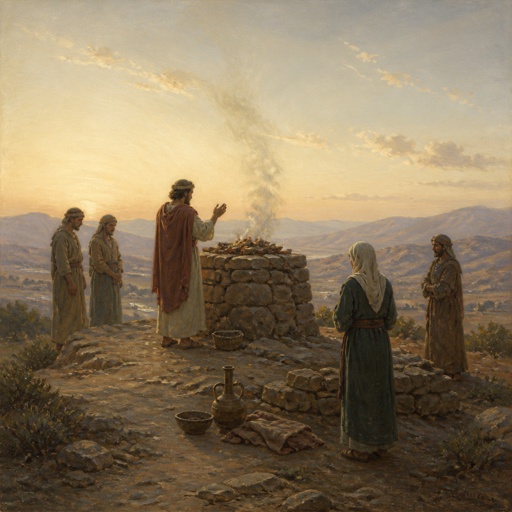
"But the high places were not taken away: the people still sacrificed and burnt incense in the high places." - 2 Kings 12:3

2 Kings 12:14 - "But they gave that to the workmen, and repaired therewith the house of the LORD."

1 Kings 12:3 - "That they sent and called him. And Jeroboam and all the congregation of Israel came, and spake unto Rehoboam, saying,"

2 Kings 3:10 - "And the king of Israel said, Alas! that the LORD hath called these three kings together, to deliver them into the hand of Moab!"

2 Kings 25:12 - "But the captain of the guard left of the poor of the land to be vinedressers and husbandmen."

2 Kings 3:23 - "And they said, This is blood: the kings are surely slain, and they have smitten one another: now therefore, Moab, to the spoil."

2 Kings 12:16 - "The trespass money and sin money was not brought into the house of the LORD: it was the priests'."

2 Kings 12:12 - "And to masons, and hewers of stone, and to buy timber and hewed stone to repair the breaches of the house of the LORD, and for all that was laid out for the house to repair it."

2 Kings 3:6 - "¶ And king Jehoram went out of Samaria the same time, and numbered all Israel."

2 Kings 12:2 - "And Jehoash did that which was right in the sight of the LORD all his days wherein Jehoiada the priest instructed him."

2 Kings 10:12 - "¶ And he arose and departed, and came to Samaria. And as he was at the shearing house in the way,"

2 Kings 13:12 - "And the rest of the acts of Joash, and all that he did, and his might wherewith he fought against Amaziah king of Judah, are they not written in the book of the chronicles of the kings of Israel?"

2 Kings 14:12 - "And Judah was put to the worse before Israel; and they fled every man to their tents."

2 Kings 12:6 - "But it was so, that in the three and twentieth year of king Jehoash the priests had not repaired the breaches of the house."

2 Kings 3:16 - "And he said, Thus saith the LORD, Make this valley full of ditches."

2 Kings 12:8 - "And the priests consented to receive no more money of the people, neither to repair the breaches of the house."

2 Kings 16:12 - "And when the king was come from Damascus, the king saw the altar: and the king approached to the altar, and offered thereon."

2 Kings 3:3 - "Nevertheless he cleaved unto the sins of Jeroboam the son of Nebat, which made Israel to sin; he departed not therefrom."

1 Kings 2:12 - "¶ Then sat Solomon upon the throne of David his father; and his kingdom was established greatly."

2 Kings 12:15 - "Moreover they reckoned not with the men, into whose hand they delivered the money to be bestowed on workmen: for they dealt faithfully."

2 kings 2:12 in which elisha is kneeling down while receiving brown old cloak