Purging the Idols: A Devotional Journey Through 2 Kings 23:11
"And he took away the horses that the kings of Judah had given to the sun, at the entering in of the house of the LORD, by the chamber of Nathan-melech the chamberlain, which was in the suburbs, and burned the chariots of the sun with fire." - 2 Kings 23:11

In 2 Kings 23:11, we encounter a pivotal moment in the reign of King Josiah, a monarch who was fervently committed to restoring true worship in Judah. The verse reads, "And he took away the horses that the kings of Judah had given to the sun, at the entering in of the house of the LORD, by the chamber of Nathan-melech the chamberlain, which was in the suburbs, and burned the chariots of the sun with fire" (KJV). The imagery in this verse is striking and laden with theological significance, inviting us to reflect seriously on the nature of idolatry and the rightful place of worship in our lives.
To understand this passage, we must first grapple with the historical context. The horses and chariots dedicated to the sun indicated a time when Judah had strayed from the covenant relationship with Yahweh, the one true God. The previous kings permitted idolatry, intertwining their worship of Yahweh with pagan practices. This syncretism led their hearts away from the fidelity demanded by God, transforming the sacred temple area into a zone of compromised worship.
Josiah's reforms were radical, as he not only acknowledged the presence of these idols but also acted decisively against them. He recognized that true worship could not coexist with idolatry. By removing the horses dedicated to the sun and burning the chariots, he symbolically dismantled the entire structure of worship that was displacing God from His rightful throne. This act was not merely one of destruction; it was a profound affirmation of the sovereignty and holiness of God. Josiah understood that purging the idolatrous symbols was required for the restoration of true worship.
As we reflect on this verse, we are compelled to examine the idols present in our own lives. Just as the kings had dedicated their horses and chariots to the sun, what are we dedicating our time, energy, and resources to? Idolatry today may not look like literal statues or chariots, but it manifests in various forms, such as materialism, relationship dependencies, or even prioritizing comfort over calling.
In our 21st-century context, we often encounter subtle forms of worship that distract us from the essence of our faith. The relentless pursuit of success can become a form of idol worship, where ambition overshadows our devotion to God. Social media, while a tool for connection, can turn into an idol when we are more focused on curating our self-image than cultivating our relationship with Christ. Even good things—family, career, hobbies—can take precedence over our devotion to God, veering us away from the path He has laid out for us.
Josiah's actions speak to the necessity of purging those distractions. It demonstrates that true worship involves sacrifice and commitment to holiness. In order to serve God fully, we must continuously evaluate our lives, recognizing influences that detract from our ability to worship Him authentically.
One practical step in this examination process is prayer—specifically, prayer for discernment. Asking God to reveal any idols in our lives that need to be addressed or removed can open avenues of profound insight and growth. It’s in the stillness of prayer that we allow God to show us what is occupying His space in our hearts.
In the end, as we witness Josiah's dramatic actions, we are encouraged to follow in his footsteps—asking for God's guidance in purging our lives of anything that may be leading us astray. Just as Josiah restored the proper worship of God in Jerusalem, we too can engage in a personal revival, refocusing our lives on the Creator and Sustainer who deserves our undivided devotion.
Let us, like Josiah, commit to burning away those chariots of our modern-day idols and redirect our hearts towards the fullness of Lord’s presence. Amen.
Want to reflect more on 2 Kings 23:11?
Continue your spiritual journey with Bible Chat — an AI-powered tool for exploring God's Word through conversation. Ask questions, discover connections, and deepen your understanding.
Get Our Apps


2 Kings 23:11 Artwork

2 Kings 23:11 - "And he took away the horses that the kings of Judah had given to the sun, at the entering in of the house of the LORD, by the chamber of Nathan-melech the chamberlain, which was in the suburbs, and burned the chariots of the sun with fire."

"And he took away the horses that the kings of Judah had given to the sun, at the entering in of the house of the LORD, by the chamber of Nathan-melech the chamberlain, which was in the suburbs, and burned the chariots of the sun with fire." - 2 Kings 23:11

2 Kings 23:23 - "But in the eighteenth year of king Josiah, wherein this passover was holden to the LORD in Jerusalem."
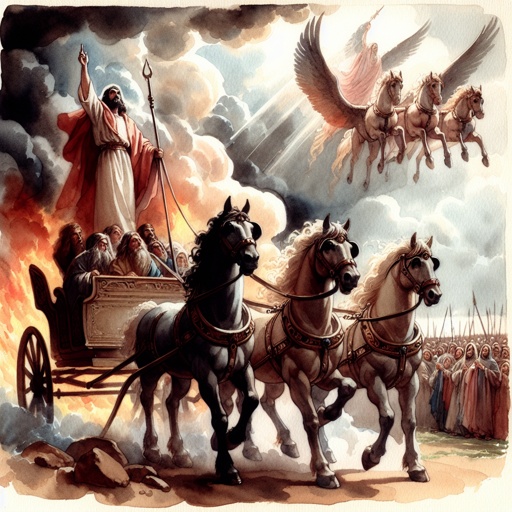
2 Kings 2:11
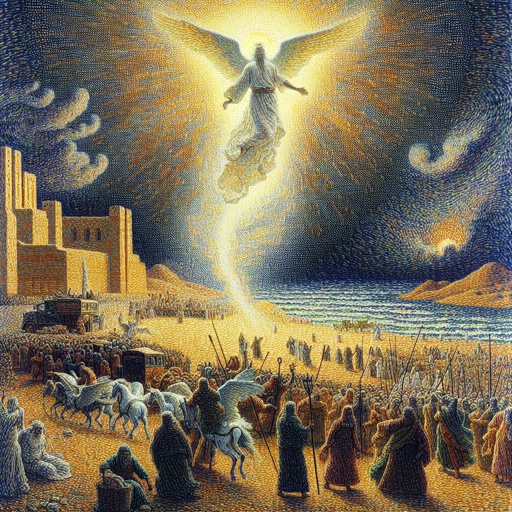
2 Kings 2:11
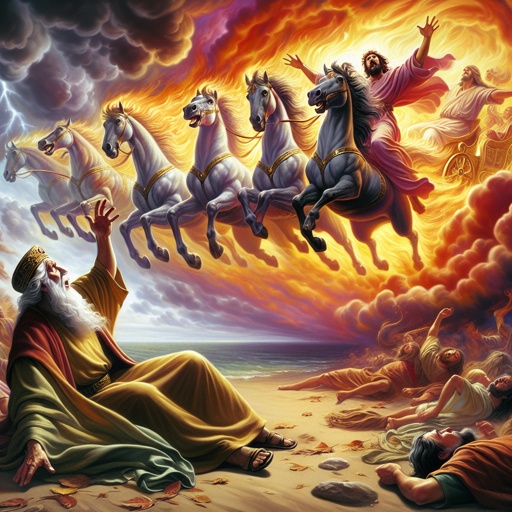
2 Kings 2:11

2 Kings 8:23 - "And the rest of the acts of Joram, and all that he did, are they not written in the book of the chronicles of the kings of Judah?"
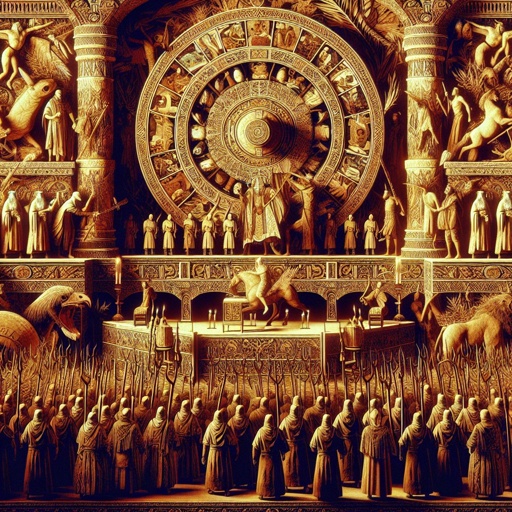
2 Kings 23:22 - "Surely there was not holden such a passover from the days of the judges that judged Israel, nor in all the days of the kings of Israel, nor of the kings of Judah;"

2 Kings 23:28 - "Now the rest of the acts of Josiah, and all that he did, are they not written in the book of the chronicles of the kings of Judah?"

2 Kings 3:23 - "And they said, This is blood: the kings are surely slain, and they have smitten one another: now therefore, Moab, to the spoil."

2 Kings 15:11 - "And the rest of the acts of Zachariah, behold, they are written in the book of the chronicles of the kings of Israel."

2 Kings 23:1 - "And the king sent, and they gathered unto him all the elders of Judah and of Jerusalem."

1 Kings 11:23 - "¶ And God stirred him up another adversary, Rezon the son of Eliadah, which fled from his lord Hadadezer king of Zobah:"

2 Kings 21:23 - "¶ And the servants of Amon conspired against him, and slew the king in his own house."

2 Kings 7:11 - "And he called the porters; and they told it to the king's house within."

2 Kings 9:23 - "And Joram turned his hands, and fled, and said to Ahaziah, There is treachery, O Ahaziah."

"But in the eighteenth year of king Josiah, wherein this passover was holden to the LORD in Jerusalem." - 2 Kings 23:23

2 Kings 2:11 – "As they were walking along and talking together, suddenly a chariot of fire and horses of fire appeared."

2 Kings 23:37 - "And he did that which was evil in the sight of the LORD, according to all that his fathers had done."

2 Kings 23:32 - "And he did that which was evil in the sight of the LORD, according to all that his fathers had done."

2 Kings 23:21 - "¶ And the king commanded all the people, saying, Keep the passover unto the LORD your God, as it is written in the book of this covenant."

2 Kings 11:21 - "Seven years old was Jehoash when he began to reign."

2 Kings 23:7 - "And he brake down the houses of the sodomites, that were by the house of the LORD, where the women wove hangings for the grove."

2 Kings 24:11 - "And Nebuchadnezzar king of Babylon came against the city, and his servants did besiege it."

2 Kings 19:11 - "Behold, thou hast heard what the kings of Assyria have done to all lands, by destroying them utterly: and shalt thou be delivered?"

2 Chronicles 9:23 - "¶ And all the kings of the earth sought the presence of Solomon, to hear his wisdom, that God had put in his heart."

2 Kings 4:11 - "And it fell on a day, that he came thither, and he turned into the chamber, and lay there."

2 Kings 15:23 - "¶ In the fiftieth year of Azariah king of Judah Pekahiah the son of Menahem began to reign over Israel in Samaria, and reigned two years."

2 Kings 23:9 - "Nevertheless the priests of the high places came not up to the altar of the LORD in Jerusalem, but they did eat of the unleavened bread among their brethren."

2 Kings 23:14 - "And he brake in pieces the images, and cut down the groves, and filled their places with the bones of men." The image should not depict explicit or offensive content but be symbolic.