The Inevitable Sovereignty of God: Lessons from the Death of Ahaziah
"¶ So he died according to the word of the LORD which Elijah had spoken. And Jehoram reigned in his stead in the second year of Jehoram the son of Jehoshaphat king of Judah; because he had no son." - 2 Kings 1:17

In 2 Kings 1:17, we encounter a profound moment of divine sovereignty encapsulated in these words: "So he died according to the word of the LORD which Elijah had spoken. And Jehoram reigned in his stead in the second year of Jehoram the son of Jehoshaphat king of Judah; because he had no son." This verse serves as a stark reminder of God’s control over history and His unyielding adherence to His own decrees, issuing a steadfast challenge to our assumption of autonomy in the face of divine providence.
Ahaziah, king of Israel, had met a tragic end—a fitting conclusion to his leadership characterized by rebellion against the God of Israel. He sought counsel from Baal-zebub, the god of Ekron, rather than turning to the true God, displaying a blatant disregard for God and His prophets. The judgment pronounced by Elijah was not arbitrary; it was rooted in Ahaziah’s persistent disobedience and his failure to embrace repentance. In the history of Israel, we see that the trajectory of each king's reign is interwoven with their fidelity to God’s commandments.
The initial observation we must make is concerning the weight of the word of the LORD. Elijah's proclamation was more than a mere announcement of doom; it was a declaration of God's righteousness and a confirmation that God does not allow rebellion to go unpunished indefinitely. This prompts us to consider the words we speak about ourselves, our faith, and our circumstances. Are they reflective of God's truth? Are we voicing His promises or merely the chaos of our own situations? Just as Elijah’s words executed divine judgment, God's promises have the power to either bless or bring about His purpose in our lives.
Next, we turn our focus to the transition of power that takes place with Ahaziah’s death. Jehoram, who ascends to the throne, embodies a continued line of kings who struggle with the legacy of their forebearers. Jehoram’s reign, commencing during the second year of his counterpart Jehoram (of Judah), further illustrates God's unfolding plan amidst human choices. The fact that Ahaziah died without an heir set the stage for a succession that continued a narrative of both divine judgment and mercy. In a way, the lack of an immediate successor served as an emblem of God's judgment weighing on the house of Ahab.
As we reflect on this passage, it is crucial to view it through the lens of our relationship with God. Are we living our lives aligned with His will? Or like Ahaziah, do we find ourselves weighing the truth of God’s Word against our desires and societal pressures? God cares deeply for His children and desires for us to live actively within His covenant rather than in the shadows of disobedience.
Moreover, we are invited to consider what we do with the prophetic words spoken over our lives. Prophecies are not merely declarations of truth but are invitations to align our lives with God's purpose. In a world rife with uncertainty, understanding that God orchestrates all events leads us to trust in His plans—even when they involve loss or change that we do not understand. Jehoram's reign was marked by continued strife in Israel, and we can infer that God wielded the shifts of leadership to accomplish broader redemptive purposes—teaching us about the ongoing narrative of grace.
Lastly, let us ponder the impactful reality of legacy. Ahaziah’s choices impacted the course of nations, leading to repercussions that echoed through generations, reminding us that our decisions matter within the framework of God’s grand design. Thus, as we navigate our journeys, we must ask ourselves what kind of legacy we are creating.
In conclusion, 2 Kings 1:17 challenges us to recognize the sovereignty and the seriousness of God’s word. Just as Elijah’s prophecy caused a seismic shift in the kingdom, so too can our obedience—rooted in faith—lead to transformative change not just for ourselves, but for those we influence. Let us be intentional in owning our faith, persistent in prayer, and diligent in walking the path God has laid before us, trusting that He holds the future.
Want to reflect more on 2 Kings 1:17?
Continue your spiritual journey with Bible Chat — an AI-powered tool for exploring God's Word through conversation. Ask questions, discover connections, and deepen your understanding.
Get Our Apps


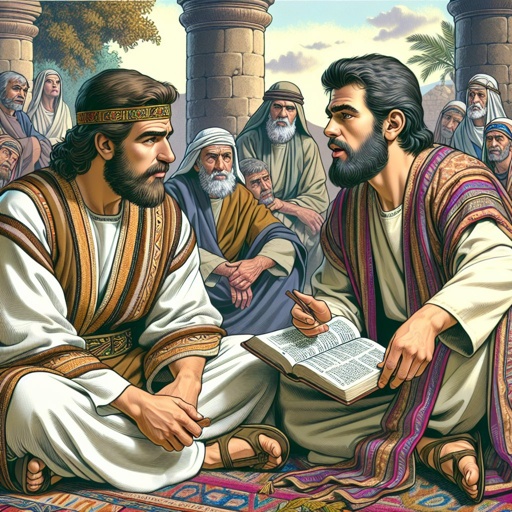
2 Kings 1:17 Artwork

2 Kings 1:17 - "¶ So he died according to the word of the LORD which Elijah had spoken. And Jehoram reigned in his stead in the second year of Jehoram the son of Jehoshaphat king of Judah; because he had no son."

"¶ So he died according to the word of the LORD which Elijah had spoken. And Jehoram reigned in his stead in the second year of Jehoram the son of Jehoshaphat king of Judah; because he had no son." - 2 Kings 1:17

2 Kings 1:7 - "And he said unto them, What manner of man was he which came up to meet you, and told you these words?"

1 Kings 17:2 - "And the word of the LORD came unto him, saying,"

2 Kings 17:1 - "In the twelfth year of Ahaz king of Judah began Hoshea the son of Elah to reign in Samaria over Israel nine years."

"And the word of the LORD came unto him, saying," - 1 Kings 17:2

2 Kings 17:2 - "And he did that which was evil in the sight of the LORD, but not as the kings of Israel that were before him."

2 Chronicles 1:17 - "And they fetched up, and brought forth out of Egypt a chariot for six hundred shekels of silver, and an horse for an hundred and fifty: and so brought they out horses for all the kings of the Hittites, and for the kings of Syria, by their means."

"And he said unto them, What manner of man was he which came up to meet you, and told you these words?" - 2 Kings 1:7

2 Kings 19:17 - "Of a truth, LORD, the kings of Assyria have destroyed the nations and their lands,"

1 Kings 2:17 - "And he said, Speak, I pray thee, unto Solomon the king, (for he will not say thee nay,) that he give me Abishag the Shunammite to wife."

1 Kings 4:17 - "Jehoshaphat the son of Paruah, in Issachar:"

2 Kings 17:40 - "Howbeit they did not hearken, but they did after their former manner."

1 Kings 21:17 - "¶ And the word of the LORD came to Elijah the Tishbite, saying,"

1 Kings 17:8 - "¶ And the word of the LORD came unto him, saying,"

1 Kings 6:17 - "And the house, that is, the temple before it, was forty cubits long."

2 Kings 17:8 - "And walked in the statutes of the heathen, whom the LORD cast out from before the children of Israel, and of the kings of Israel, which they had made."

2 Kings 21:17 - "¶ Now the rest of the acts of Manasseh, and all that he did, and his sin that he sinned, are they not written in the book of the chronicles of the kings of Judah?"

1 Kings 9:17 - "And Solomon built Gezer, and Beth-horon the nether,"

2 Kings 17:17 - "And they caused their sons and their daughters to pass through the fire, and used divination and enchantments, and sold themselves to do evil in the sight of the LORD, to provoke him to anger."

"And he did that which was evil in the sight of the LORD, but not as the kings of Israel that were before him." - 2 Kings 17:2

1 Kings 17:17 - "¶ And it came to pass after these things, that the son of the woman, the mistress of the house, fell sick; and his sickness was so sore, that there was no breath left in him."
1 Kings 1:7 - "And he conferred with Joab the son of Zeruiah, and with Abiathar the priest: and they following Adonijah helped him."

"Of a truth, LORD, the kings of Assyria have destroyed the nations and their lands," - 2 Kings 19:17

2 Kings 17:19 - "Also Judah kept not the commandments of the LORD their God, but walked in the statutes of Israel which they made."

2 Kings 17:5 - "¶ Then the king of Assyria came up throughout all the land, and went up to Samaria, and besieged it three years."

2 Kings 24:17 - "¶ And the king of Babylon made Mattaniah his father's brother king in his stead, and changed his name to Zedekiah."

2 Kings 1:1 - "Then Moab rebelled against Israel after the death of Ahab."

2 Kings 17:22 - "For the children of Israel walked in all the sins of Jeroboam which he did; they departed not from them;"

2 Kings 17:12 - "For they served idols, whereof the LORD had said unto them, Ye shall not do this thing."