The Silent Sovereignty of God in the Lives of Kings and Nations
"In the seventeenth year of Pekah the son of Remaliah Ahaz the son of Jotham king of Judah began to reign." - 2 Kings 16:1

The Bible is rich with narratives that reveal the workings of God’s providence through historical figures and events. 2 Kings 16:1 is one such verse that encapsulates a moment in time that was pivotal not only for the kingdom of Judah but also within the larger context of God’s unfolding plan in human history. The verse states: "In the seventeenth year of Pekah the son of Remaliah Ahaz the son of Jotham king of Judah began to reign."
This verse may initially seem like a mere historical account of political succession, but it opens the gateway to understanding the deeper themes of God’s authority and the human condition. Let us delve into its implications, drawing critical lessons that are relevant to our lives today.
**Historical Context**
At the time of Ahaz's ascension, Israel was under the rule of Pekah, who represents the northern kingdom—a kingdom marked by instability and idolatry. Ahaz takes the throne as the son of Jotham, who is noted for having a somewhat positive reign in terms of his relationship with the Lord. However, Ahaz's reign is noted for its failures; he strayed from the ways of his forefathers, choosing instead to embrace pagan practices that would lead Judah into spiritual decline.
In the backdrop of what appears to be political movements, God is firmly in control. Pekah’s rule and Ahaz's reign happen according to a divine timetable, reminding us that no authority exists without God’s permission. Romans 13:1 tells us, "Let every soul be subject unto the higher powers. For there is no power but of God: the powers that be are ordained of God." This is a powerful declaration that invites us to reflect on our understanding of leadership and God's sovereignty over it.
**The Role of Human Choice**
While God sets the stage, humanity is entrusted with choices that can lead to either allegiance to Him or rebellion. Ahaz’s choices speak volumes about the human heart’s propensity to stray far from God's will. He found solace not in seeking God, but in alliances with foreign powers, turning to the very nations that posed a threat. How often do we, like Ahaz, look to the world for answers rather than seeking divine wisdom through prayer and Scripture?
Ahaz’s decisions ultimately led to disastrous consequences for Judah, plunging the kingdom into spiritual and moral decay. This serves as a sobering reminder of the weight of our decisions—both personally and collectively. Are we seeking God’s face in our lives, or are we caught up in the allure of worldly security?
**A Call to Faithfulness**
The historical account of Ahaz reflects a significant truth: the importance of faithfulness to God amidst trials and challenges. The challenges faced by Judah under Ahaz were not only external—marked by threats from Israel and Syria—but also internal, as the people were led further away from God by their king’s actions.
In our own lives, it can often feel as though we are in a state of uncertainty, with external pressures bearing down on us, whether they be financial, relational, or health-related. Yet in these moments, we are called to be steadfast in our faith. Hebrews 10:23 encourages us: "Let us hold fast the profession of our faith without wavering; (for he is faithful that promised)."
**The Example of Hope**
While Ahaz’s reign is marked by unfaithfulness, it ultimately points us to the hope we have in Christ—the King who reigns forever. Unlike Ahaz, Jesus embodies the fulfillment of God’s promises and provides a perfect example of obedience to the Father’s will. His kingship invites us into a relationship founded on trust and love. In moments where we feel like we are making mistakes or can be easily influenced by the world, Christ stands as our ultimate guide.
In conclusion, as we reflect on 2 Kings 16:1, let us remember that God is sovereign over all kings and nations, that our choices have consequences, and ultimately, that we must strive to seek Him in our decisions. May our lives reflect obedience and lead others toward the hope we find in Jesus Christ, the King of Kings.
Want to reflect more on 2 Kings 16:1?
Continue your spiritual journey with Bible Chat — an AI-powered tool for exploring God's Word through conversation. Ask questions, discover connections, and deepen your understanding.
Get Our Apps


2 Kings 16:1 Artwork

2 Kings 16:1 - "In the seventeenth year of Pekah the son of Remaliah Ahaz the son of Jotham king of Judah began to reign."

"In the seventeenth year of Pekah the son of Remaliah Ahaz the son of Jotham king of Judah began to reign." - 2 Kings 16:1

1 Kings 2:16 - "And now I ask one petition of thee, deny me not. And she said unto him, Say on."

1 Kings 16:1 - "Then the word of the LORD came to Jehu the son of Hanani against Baasha, saying,"

2 Kings 16:16 - "Thus did Urijah the priest, according to all that king Ahaz commanded."

2 Kings 3:16-19

2 Kings 16:19 - "¶ Now the rest of the acts of Ahaz which he did, are they not written in the book of the chronicles of the kings of Judah?"

1 Kings 20:16 - "And they went out at noon. But Ben-hadad was drinking himself drunk in the pavilions, he and the kings, the thirty and two kings that helped him."

2 Kings 14:16 - "And Jehoash slept with his fathers, and was buried in Samaria with the kings of Israel; and Jeroboam his son reigned in his stead."

1 Kings 16:14 - "Now the rest of the acts of Elah, and all that he did, are they not written in the book of the chronicles of the kings of Israel?"

1 Kings 1:16 - "And Bath-sheba bowed, and did obeisance unto the king. And the king said, What wouldest thou?"

1 Kings 4:16 - "Baanah the son of Hushai was in Asher and in Aloth:"

2 Kings 6:16 - "And he answered, Fear not: for they that be with us are more than they that be with them."

2 Kings 20:16 - "And Isaiah said unto Hezekiah, Hear the word of the LORD."

2 Kings 12:16 - "The trespass money and sin money was not brought into the house of the LORD: it was the priests'."

1 Kings 16:5 - "Now the rest of the acts of Baasha, and what he did, and his might, are they not written in the book of the chronicles of the kings of Israel?"

1 Kings 16:20 - "Now the rest of the acts of Zimri, and his treason that he wrought, are they not written in the book of the chronicles of the kings of Israel?"

1 Timothy 6:15-16 – "God, the blessed and only Ruler, the King of kings and Lord of lords."

1 Timothy 6:15-16 – "God, the blessed and only Ruler, the King of kings and Lord of lords."
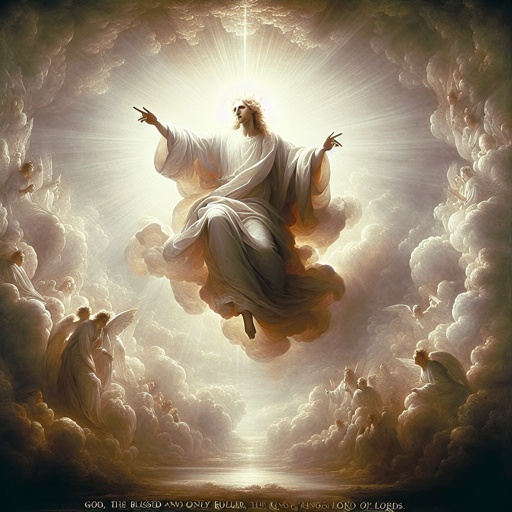
1 Timothy 6:15-16 – "God, the blessed and only Ruler, the King of kings and Lord of lords."

2 Chronicles 28:16 - "¶ At that time did king Ahaz send unto the kings of Assyria to help him."

1 Timothy 6:15-16 – "God, the blessed and only Ruler, the King of kings and Lord of lords."

1 Kings 15:16 - "¶ And there was war between Asa and Baasha king of Israel all their days."

1 Timothy 6:15-16 – "God, the blessed and only Ruler, the King of kings and Lord of lords."

2 Kings 3:16 - "And he said, Thus saith the LORD, Make this valley full of ditches."

"Then the word of the LORD came to Jehu the son of Hanani against Baasha, saying," - 1 Kings 16:1

1 Kings 3:16 - "¶ Then came there two women, that were harlots, unto the king, and stood before him."

2 Kings 16:8 - "And Ahaz took the silver and gold that was found in the house of the LORD, and in the treasures of the king's house, and sent it for a present to the king of Assyria."

"Thus did Urijah the priest, according to all that king Ahaz commanded." - 2 Kings 16:16

1 Kings 16:27 - "Now the rest of the acts of Omri which he did, and his might that he shewed, are they not written in the book of the chronicles of the kings of Israel?"