The Peril of Pride: A Lesson from 2 Kings 14:10
"Thou hast indeed smitten Edom, and thine heart hath lifted thee up: glory of this, and tarry at home: for why shouldest thou meddle to thy hurt, that thou shouldest fall, even thou, and Judah with thee?" - 2 Kings 14:10
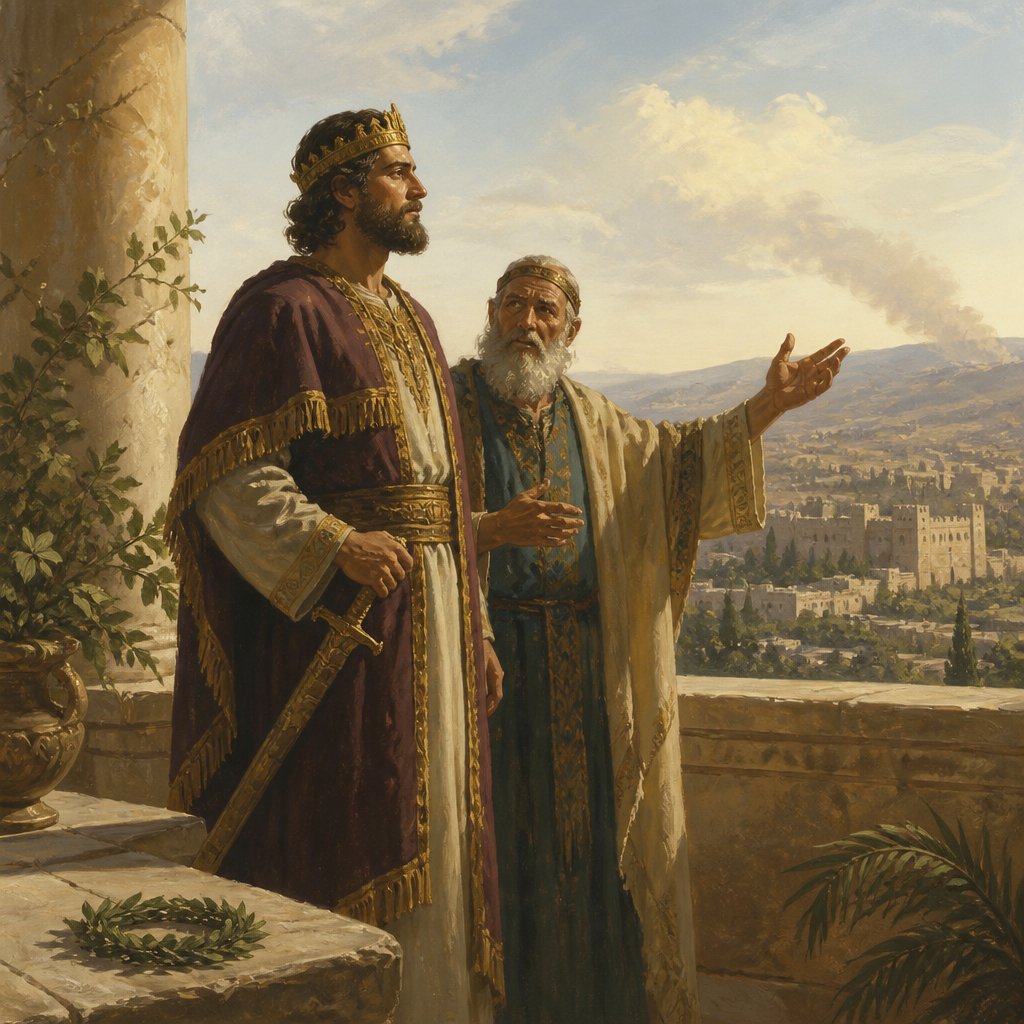
In the world of kings and kingdoms, power often gives rise to pride. Such was the case with Amaziah, king of Judah, who, having achieved a notable victory over the Edomites, was not just pleased but succumbed to the intoxicating allure of pride. In 2 Kings 14:10, the words of the prophet echo a timeless warning: "Thou hast indeed smitten Edom, and thine heart hath lifted thee up: glory of this, and tarry at home: for why shouldest thou meddle to thy hurt, that thou shouldest fall, even thou, and Judah with thee?" (KJV).
Amaziah’s conquest was considerable; defeating Edom was no minor victory for a king in ancient times. However, the prophet’s message strikes at the heart of what ails many leaders—and indeed, all of us—when we taste success. The danger lies in allowing our hearts to become "lifted up." It is easy to become enamored with accolades, trophies, and even the praise of men, yet the biblical record consistently teaches that pride precedes a fall (Proverbs 16:18).
The urgency in the prophet’s admonition to "tarry at home" serves as an essential lesson in humility. Heaven’s concern was not merely for Amaziah’s personal safety but, indeed, the welfare of the entire nation of Judah. The directive to stay home and not to "meddle to thy hurt" implies that the king should know when to avoid needless conflict, especially when the stakes are high. This exhortation to remain grounded rather than pursue reckless ambition can be an essential reflection point for each believer. When we attain success or influence, do we seek more glory, or do we cease and reflect on our journey?
It is worth noting how often we are tempted at the heights of success to reach for further victories, sometimes in areas that may not pertain directly to our callings. Here lies the interplay of ambition and wisdom—a reminder that not every battle is ours to fight. Instead of seeking glory and accolades, we are called to seek the peace of God, acknowledging Him in every decision we make. The phrase, "for why shouldest thou meddle to thy hurt" asks us to ponder the consequences of our pursuits. Are we aware that sometimes allowing ourselves to be flattered leads to dangerous paths?
The Scripture urges believers to use discernment in their call to action. Just like Amaziah, who might have felt invincible after defeating Edom, we often overlook our spiritual vulnerabilities when we feel we are on the ascent. Yet God’s thoughts on our victories do not hinge entirely on success but on our hearts’ posture. When pride creeps in, the Lord gives counsel, urging us to ground ourselves back to the Word and remember our identity as humble servants rather than exalted conquerors.
Amaziah’s decision to confront Jehoash of Israel, a war that ultimately led to defeat, illustrates the disastrous consequences of pride not only for the individual but for the nation. The kingdom of Judah suffered due to its king's unwillingness to heed the counsel of warning. As followers of Christ, we are called to recognize that our pursuits should align with God’s will, not merely our desires for recognition. "Even thou, and Judah with thee" carries profound implications; our actions can lead not only to our downfall but to that of others—our families, communities, and churches.
As you reflect today, consider areas in your life where pride might be attempting to claim glory. Where are you tempted to meddle in affairs that may lead to unnecessary consequences? Surrender those ambitions to God, ask for wisdom, and choose humility. Remember that true strength lies not in conquering foes but in the willingness to listen to God’s voice and remain faithful to our calling, even in the face of potential accolades. If Amaziah had heeded the warning, perhaps history would have remembered him differently. Let us strive to abide in God's grace, eschewing pride and pursuing peace.
Want to reflect more on 2 Kings 14:10?
Continue your spiritual journey with Bible Chat — an AI-powered tool for exploring God's Word through conversation. Ask questions, discover connections, and deepen your understanding.
Get Our Apps


2 Kings 14:10 Artwork

2 Kings 14:10 - "Thou hast indeed smitten Edom, and thine heart hath lifted thee up: glory of this, and tarry at home: for why shouldest thou meddle to thy hurt, that thou shouldest fall, even thou, and Judah with thee?"
"Thou hast indeed smitten Edom, and thine heart hath lifted thee up: glory of this, and tarry at home: for why shouldest thou meddle to thy hurt, that thou shouldest fall, even thou, and Judah with thee?" - 2 Kings 14:10
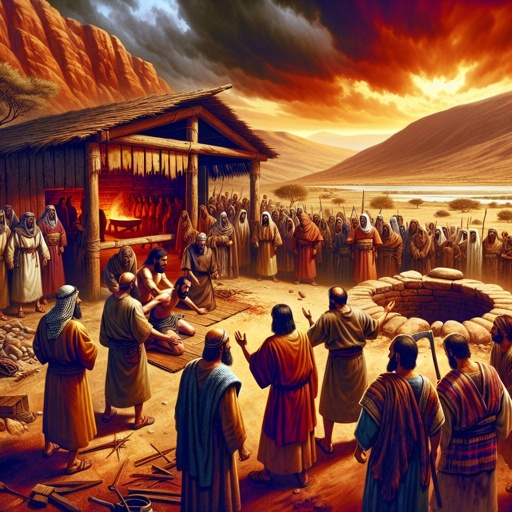
2 Kings 10:14 - "And he said, Take them alive. And they took them alive, and slew them at the pit of the shearing house, even two and forty men; neither left he any of them."

2 Kings 14:18 - "And the rest of the acts of Amaziah, are they not written in the book of the chronicles of the kings of Judah?"

Genesis 14:10 - "And the vale of Siddim was full of slimepits; and the kings of Sodom and Gomorrah fled, and fell there; and they that remained fled to the mountain."

1 Kings 10:14 - "¶ Now the weight of gold that came to Solomon in one year was six hundred threescore and six talents of gold,"

2 Kings 14:29 - "And Jeroboam slept with his fathers, even with the kings of Israel; and Zachariah his son reigned in his stead."

2 Kings 3:10 - "And the king of Israel said, Alas! that the LORD hath called these three kings together, to deliver them into the hand of Moab!"

2 Kings 12:14 - "But they gave that to the workmen, and repaired therewith the house of the LORD."

2 Kings 14:16 - "And Jehoash slept with his fathers, and was buried in Samaria with the kings of Israel; and Jeroboam his son reigned in his stead."

2 Kings 14:14 - "And he took all the gold and silver, and all the vessels that were found in the house of the LORD, and in the treasures of the king's house, and hostages, and returned to Samaria."

2 Kings 21:10 - "¶ And the LORD spake by his servants the prophets, saying,"

2 Kings 10:28 - "Thus Jehu destroyed Baal out of Israel."

2 Kings 10:4 - "But they were exceedingly afraid, and said, Behold, two kings stood not before him: how then shall we stand?"

2 Kings 14:22 - "He built Elath, and restored it to Judah, after that the king slept with his fathers."

2 Kings 10:34 - "Now the rest of the acts of Jehu, and all that he did, and all his might, are they not written in the book of the chronicles of the kings of Israel?"

2 Kings 10:20 - "And Jehu said, Proclaim a solemn assembly for Baal. And they proclaimed it."

2 Kings 14:12 - "And Judah was put to the worse before Israel; and they fled every man to their tents."
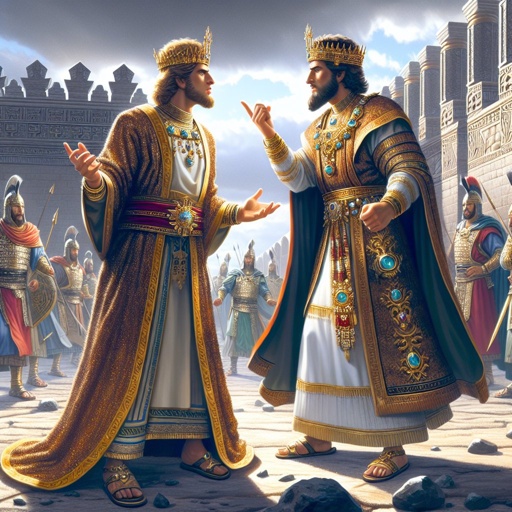
2 Kings 14:15 - "¶ Now the rest of the acts of Jehoash which he did, and his might, and how he fought with Amaziah king of Judah, are they not written in the book of the chronicles of the kings of Israel?"

1 Kings 2:10 - "So David slept with his fathers, and was buried in the city of David."

2 Kings 10:26 - "And they brought forth the images out of the house of Baal, and burned them."

2 Kings 14:20 - "And they brought him on horses: and he was buried at Jerusalem with his fathers in the city of David."

"And the rest of the acts of Amaziah, are they not written in the book of the chronicles of the kings of Judah?" - 2 Kings 14:18

2 Kings 10:12 - "¶ And he arose and departed, and came to Samaria. And as he was at the shearing house in the way,"

Psalms 2:10 - "Be wise now therefore, O ye kings: be instructed, ye judges of the earth."

2 Kings 10:36 - "And the time that Jehu reigned over Israel in Samaria was twenty and eight years."

2 Kings 14:1 - "In the second year of Joash son of Jehoahaz king of Israel reigned Amaziah the son of Joash king of Judah."

2 Kings 24:10 - "¶ At that time the servants of Nebuchadnezzar king of Babylon came up against Jerusalem, and the city was besieged."

2 Kings 25:14 - "And the pots, and the shovels, and the snuffers, and the spoons, and all the vessels of brass wherewith they ministered, took they away."

2 Kings 7:14 - "They took therefore two chariot horses; and the king sent after the host of the Syrians, saying, Go and see."