The Cry of the Oppressed: The Mercy of God
"And Jehoahaz besought the LORD, and the LORD hearkened unto him: for he saw the oppression of Israel, because the king of Syria oppressed them." - 2 Kings 13:4
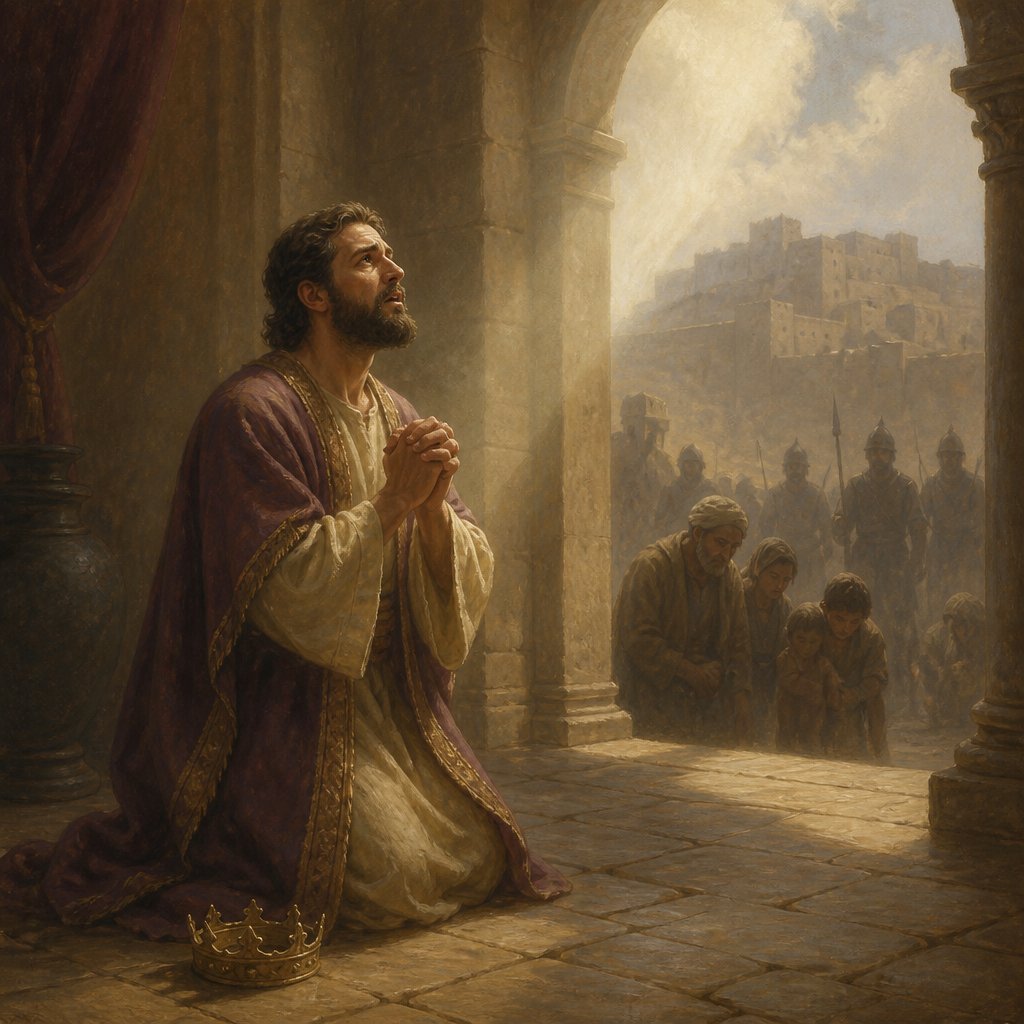
In 2 Kings 13:4, we are presented with a powerful scene that reflects both human desperation and divine mercy: "And Jehoahaz besought the LORD, and the LORD hearkened unto him: for he saw the oppression of Israel, because the king of Syria oppressed them." This single scripture serves as a poignant reminder that in our moments of deepest distress, when we feel utterly besieged by the trials of life, we can turn to the LORD with our cries, and He will respond.
**Understanding the Context**
To grasp the weight of Jehoahaz’s plea, we must understand the historical and spiritual context of Israel during this time. The kingdom was being severely oppressed by the king of Syria, a representation of formidable enemies both seen and unseen in our own lives. Israel’s suffering was not merely physical but spiritual as well. Generations of sin and rebellion against God had led them into anguish, revealing the deep-rooted consequences of their actions. Jehoahaz, recognizing the dire situation, turned away from his own reliance on strength and wisdom, seeking instead the favor of the Lord.
**The Act of Seeking God**
Jehoahaz’s supplication was a crucial turning point. The word "besought" indicates a desperate and intense plea, showcasing not only his recognition of God’s authority but his genuine need for divine intervention. In our modern context, when we face adversity, we have a tendency to lean on our own understanding, our resources, or even the wisdom of others. Yet, the actions of Jehoahaz remind us that true deliverance comes from kneeling before God. He understood that no army or ally could save him; his only hope lay in God’s mercy.
**God's Faithfulness in Listening**
The phrase "the LORD hearkened unto him" reveals God’s attentiveness to our prayers. To hearken means not only to listen but to take heed and act upon what is heard. God does not ignore the cries of His people; rather, He responds when we approach Him in faith and sincerity. This illustrates a crucial truth about our relationship with God—no matter how far we may have strayed or how deep the oppression may be, our cries resonate within His ears. His listening heart is ever ready to respond to our plight. When we bring our struggles to God, we are met not with indifference but with compassion and understanding.
**Seeing Beyond Our Circumstances**
Furthermore, the verse illustrates the reason behind God’s response: "for He saw the oppression of Israel." This phrase holds profound significance. God’s awareness of our suffering transcends mere observation; it implies deep empathy. He does not remain distant from our troubles but sees them in the fullness of their aching reality. His love compels His actions towards us. God is moved by our sufferings, and often, it is in our moments of desperation that we truly learn the nature of His compassion. Amidst life’s struggles, knowing that God sees and cares can bring profound comfort and hope.
**A Call to the Oppressed**
As we reflect on Jehoahaz’s plea, we are urged to consider our own lives. What oppressions or hardships are we facing today? Are we leaning on our own understanding or humbling ourselves before the Almighty? The same God who responded to Jehoahaz is available to each of us, ready to pour out His grace upon those who earnestly seek Him.
**Conclusion**
In a world rife with tribulations, we are reminded that God is our refuge. When the weight of oppression threatens to overwhelm us, just as Jehoahaz did, we can call out to Him. In our cries and prayers, we find hope and grace, knowing He listens and acts. Let us draw close to the Lord, trusting in His omnipotent hand to bring restoration to our hearts and freedom from our trials. The depth of His mercy knows no bounds, and in our weakness, His strength is made perfect.
Want to reflect more on 2 Kings 13:4?
Continue your spiritual journey with Bible Chat — an AI-powered tool for exploring God's Word through conversation. Ask questions, discover connections, and deepen your understanding.
Get Our Apps


2 Kings 13:4 Artwork

2 Kings 13:4 - "And Jehoahaz besought the LORD, and the LORD hearkened unto him: for he saw the oppression of Israel, because the king of Syria oppressed them."
"And Jehoahaz besought the LORD, and the LORD hearkened unto him: for he saw the oppression of Israel, because the king of Syria oppressed them." - 2 Kings 13:4

2 Kings 13:13 - "And Joash slept with his fathers; and Jeroboam sat upon his throne: and Joash was buried in Samaria with the kings of Israel."

2 Kings 4:4-5

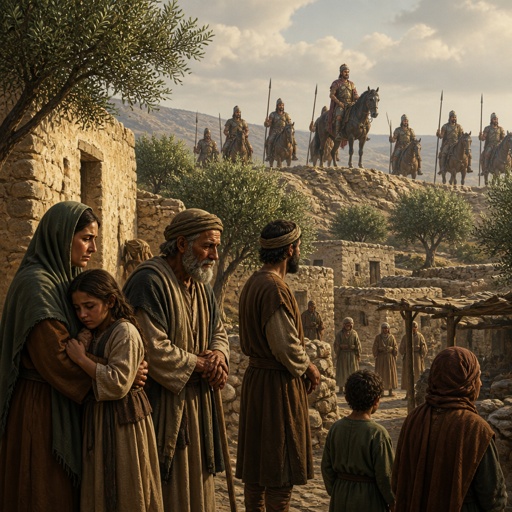
2 Kings 13:22 - "¶ But Hazael king of Syria oppressed Israel all the days of Jehoahaz."

2 Kings 13:8 - "¶ Now the rest of the acts of Jehoahaz, and all that he did, and his might, are they not written in the book of the chronicles of the kings of Israel?"

2 Kings 4:13 - "And he said unto him, Say now unto her, Behold, thou hast been careful for us with all this care; what is to be done for thee? wouldest thou be spoken for to the king, or to the captain of the host? And she answered, I dwell among mine own people."

2 Kings 19:13 - "Where is the king of Hamath, and the king of Arpad, and the king of the city of Sepharvaim, of Hena, and Ivah?"

2 Kings 2:13 - "He took up also the mantle of Elijah that fell from him, and went back, and stood by the bank of Jordan;"

2 Kings 13:12 - "And the rest of the acts of Joash, and all that he did, and his might wherewith he fought against Amaziah king of Judah, are they not written in the book of the chronicles of the kings of Israel?"

2 Kings 10:4 - "But they were exceedingly afraid, and said, Behold, two kings stood not before him: how then shall we stand?"

2 Kings 13:24 - "So Hazael king of Syria died; and Ben-hadad his son reigned in his stead."

2 Kings 13:20 - "¶ And Elisha died, and they buried him. And the bands of the Moabites invaded the land at the coming in of the year."

"And Joash slept with his fathers; and Jeroboam sat upon his throne: and Joash was buried in Samaria with the kings of Israel." - 2 Kings 13:13

Ezra 4:13 - "Be it known now unto the king, that, if this city be builded, and the walls set up again, then will they not pay toll, tribute, and custom, and so thou shalt endamage the revenue of the kings."

2 Kings 11:13 - "¶ And when Athaliah heard the noise of the guard and of the people, she came to the people into the temple of the LORD."

Joel 1:2-4, 13-20

2 Kings 13:2 - "And he did that which was evil in the sight of the LORD, and followed the sins of Jeroboam the son of Nebat, which made Israel to sin; he departed not therefrom."

2 Kings 4:11 - "And it fell on a day, that he came thither, and he turned into the chamber, and lay there."

1 Kings 4:2 - "And these were the princes which he had; Azariah the son of Zadok the priest,"

2 Kings 13:15 - "And Elisha said unto him, Take bow and arrows. And he took unto him bow and arrows."

2 Kings 13:9 - "And Jehoahaz slept with his fathers; and they buried him in Samaria: and Joash his son reigned in his stead."

2 Kings 6:4 - "So he went with them. And when they came to Jordan, they cut down wood."

2 Kings 9:4 - "¶ So the young man, even the young man the prophet, went to Ramoth-gilead."
"¶ But Hazael king of Syria oppressed Israel all the days of Jehoahaz." - 2 Kings 13:22

2 Kings 9:13 - "Then they hasted, and took every man his garment, and put it under him on the top of the stairs, and blew with trumpets, saying, Jehu is king."

2 Kings 15:13 - "¶ Shallum the son of Jabesh began to reign in the nine and thirtieth year of Uzziah king of Judah; and he reigned a full month in Samaria."

2 Kings 16:4 - "And he sacrificed and burnt incense in the high places, and on the hills, and under every green tree."

2 Kings 4:33 - "He went in therefore, and shut the door upon them twain, and prayed unto the LORD."

2 Kings 4:32 - "And when Elisha was come into the house, behold, the child was dead, and laid upon his bed."