The Weight of Leadership and the Calling to Obedience
"Then he wrote a letter the second time to them, saying, If ye be mine, and if ye will hearken unto my voice, take ye the heads of the men your master's sons, and come to me to Jezreel by to morrow this time. Now the king's sons, being seventy persons, were with the great men of the city, which brought them up." - 2 Kings 10:6
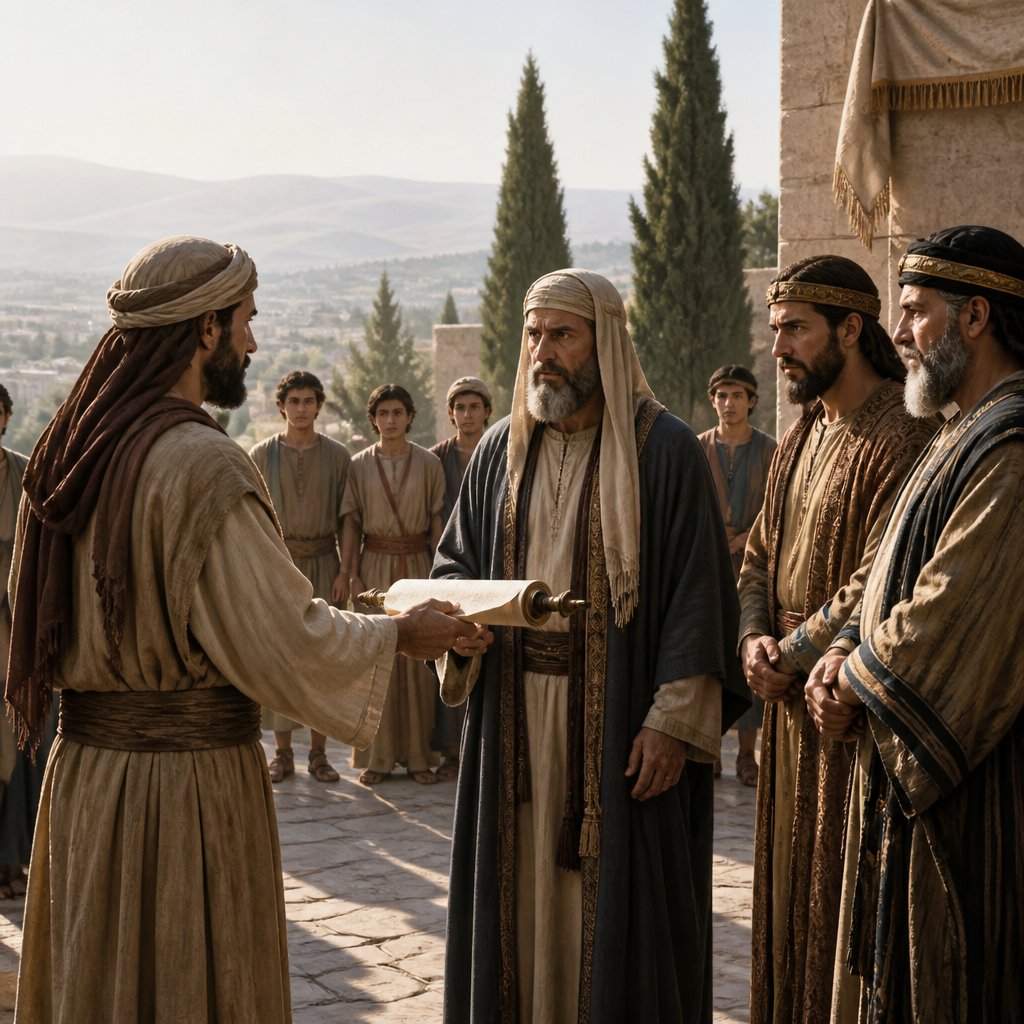
The story behind 2 Kings 10:6 is one that unveils the depths of power, obedience, and the dire consequences of allegiance. In this verse, we capture a moment when Jehu, who has been anointed as king over Israel, sends a chilling ultimatum to the leaders of Samaria. The verse states: "Then he wrote a letter the second time to them, saying, If ye be mine, and if ye will hearken unto my voice, take ye the heads of the men your master's sons, and come to me to Jezreel by to morrow this time. Now the king's sons, being seventy persons, were with the great men of the city, which brought them up" (2 Kings 10:6, KJV).
As we reflect upon this text, there are several layers to unpack—layers that resonate deeply with our spiritual walk today. First, we consider the nature of authority. Jehu’s message was not merely a command; it was a test of loyalty. The sons of the king represented the legacy and hopes of their leadership. To take their heads would not only be an act of murder but a stark statement of loyalty to Jehu and a stark rejection of the prior regime.
In many ways, Jehu’s letter reflects the calls we face against the backdrop of our spiritual allegiances. When we commit to follow Christ, we are, in a manner of speaking, undertaking a similar commitment of loyalty. This moment serves as a reminder that walking in faith requires a decisive step away from past allegiances—a willingness to sever ties with what was, in pursuit of what is righteous and true. Like the leaders in Samaria, we must consider where our loyalty lies. Are we willing to heed His voice above all other voices?
One might find it unsettling to even contemplate the dark decisions that led to such bloodshed; however, the truth of the Gospel often comes wrapped in difficult choices. Jehu was earnest in his mission; he was fulfilling prophecy. The Lord had declared a cleansing of the house of Ahab due to their idolatrous practices and the sins that had led Israel astray. The passage invokes a challenging notion—that God’s purposes may sometimes use harsh realities to restore His people.
Next, there’s the aspect of responsibility. With power comes immense responsibility. Jehu was called to lead Israel, but this leadership came with a serious, unyielding call to action against sin. It is the same for us in our lives today as Christians. We are called to be leaders in our own spheres, be it as parents, friends, or community members. Our decisions, actions, and commitments carry weight—not just for us, but for those around us. How often do we confront the uncomfortable responsibilities that accompany our faith and leadership?
Moreover, the verse also prompts us to reflect on the consequences of disobedience. The leaders of Samaria were being asked to confirm their allegiance. When the stakes are as high as life and death, we are led to question our own obedience to God’s directives. Are we heeding His voice in our lives? Are we taking the time to discern and listen to what He asks of us? Acts of disobedience might not equate to literal violence as seen in this biblical narrative, but they can lead us away from His blessings and into despair.
In closing, 2 Kings 10:6 is more than a historical account; it’s a poignant lesson on loyalty, obedience, and the heavy mantle of leadership. We must ask ourselves, "If I am called to obey, what does that look like in my life?" Each day is a new opportunity to affirm our commitment to God, to lead with integrity, and to exhibit the kind of obedience that brings glory to Him. May we be ever observant of His voice calling us to righteousness and be ready to respond, whatever the cost.
Want to reflect more on 2 Kings 10:6?
Continue your spiritual journey with Bible Chat — an AI-powered tool for exploring God's Word through conversation. Ask questions, discover connections, and deepen your understanding.
Get Our Apps


2 Kings 10:6 Artwork
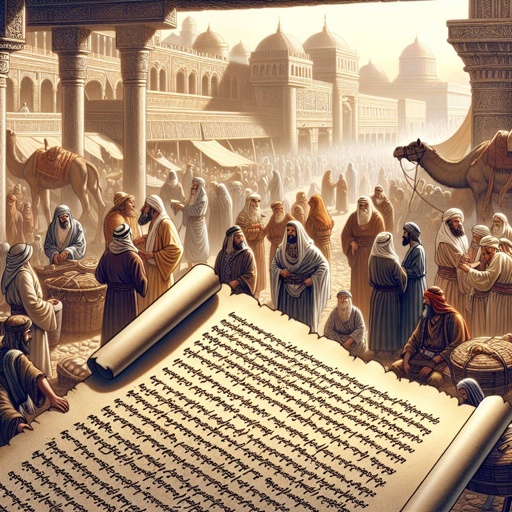
2 Kings 10:6 - "Then he wrote a letter the second time to them, saying, If ye be mine, and if ye will hearken unto my voice, take ye the heads of the men your master's sons, and come to me to Jezreel by to morrow this time. Now the king's sons, being seventy persons, were with the great men of the city, which brought them up."
"Then he wrote a letter the second time to them, saying, If ye be mine, and if ye will hearken unto my voice, take ye the heads of the men your master's sons, and come to me to Jezreel by to morrow this time. Now the king's sons, being seventy persons, were with the great men of the city, which brought them up." - 2 Kings 10:6

2 Kings 6:10 - "And the king of Israel sent to the place which the man of God told him and warned him of, and saved himself there, not once nor twice."

1 Kings 10:6 - "And she said to the king, It was a true report that I heard in mine own land of thy acts and of thy wisdom."

2 kings 6:24
2 Kings 15:6 - "And the rest of the acts of Azariah, and all that he did, are they not written in the book of the chronicles of the kings of Judah?"

2 Kings 3:10 - "And the king of Israel said, Alas! that the LORD hath called these three kings together, to deliver them into the hand of Moab!"

2 Kings 10:28 - "Thus Jehu destroyed Baal out of Israel."

1 Kings 6:10 - "And then he built chambers against all the house, five cubits high: and they rested on the house with timber of cedar."

2 Kings 21:10 - "¶ And the LORD spake by his servants the prophets, saying,"

2 Kings 10:4 - "But they were exceedingly afraid, and said, Behold, two kings stood not before him: how then shall we stand?"

2 Kings 10:34 - "Now the rest of the acts of Jehu, and all that he did, and all his might, are they not written in the book of the chronicles of the kings of Israel?"

2 Kings 10:20 - "And Jehu said, Proclaim a solemn assembly for Baal. And they proclaimed it."

2 Kings 6:16 - "And he answered, Fear not: for they that be with us are more than they that be with them."

"Thus Jehu destroyed Baal out of Israel." - 2 Kings 10:28

1 Kings 2:10 - "So David slept with his fathers, and was buried in the city of David."

2 Kings 10:26 - "And they brought forth the images out of the house of Baal, and burned them."
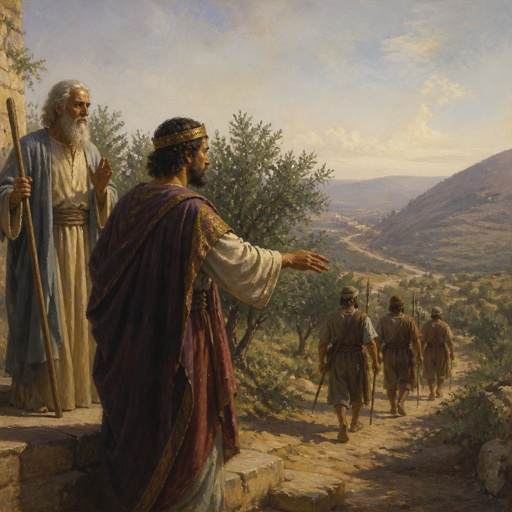
"And the king of Israel sent to the place which the man of God told him and warned him of, and saved himself there, not once nor twice." - 2 Kings 6:10

2 Kings 3:6 - "¶ And king Jehoram went out of Samaria the same time, and numbered all Israel."

2 Kings 10:12 - "¶ And he arose and departed, and came to Samaria. And as he was at the shearing house in the way,"

Psalms 2:10 - "Be wise now therefore, O ye kings: be instructed, ye judges of the earth."

2 Kings 10:36 - "And the time that Jehu reigned over Israel in Samaria was twenty and eight years."

2 Kings 24:10 - "¶ At that time the servants of Nebuchadnezzar king of Babylon came up against Jerusalem, and the city was besieged."

2 Kings 12:6 - "But it was so, that in the three and twentieth year of king Jehoash the priests had not repaired the breaches of the house."

2 Kings 6:4 - "So he went with them. And when they came to Jordan, they cut down wood."

2 Kings 6:6 - "And the man of God said, Where fell it? And he shewed him the place. And he cut down a stick, and cast it in thither; and the iron did swim."

2 Kings 22:6 - "Unto carpenters, and builders, and masons, and to buy timber and hewn stone to repair the house."

2 Kings 11:10 - "And to the captains over hundreds did the priest give king David's spears and shields, that were in the temple of the LORD."

2 Kings 25:6 - "So they took the king, and brought him up to the king of Babylon to Riblah; and they gave judgment upon him."

2 Kings 10:2 - "Now as soon as this letter cometh to you, seeing your master's sons are with you, and there are with you chariots and horses, a fenced city also, and armour;"