Trusting Beyond Our Limits: A Journey of Faith
"But we had the sentence of death in ourselves, that we should not trust in ourselves, but in God which raiseth the dead:" - 2 Corinthians 1:9
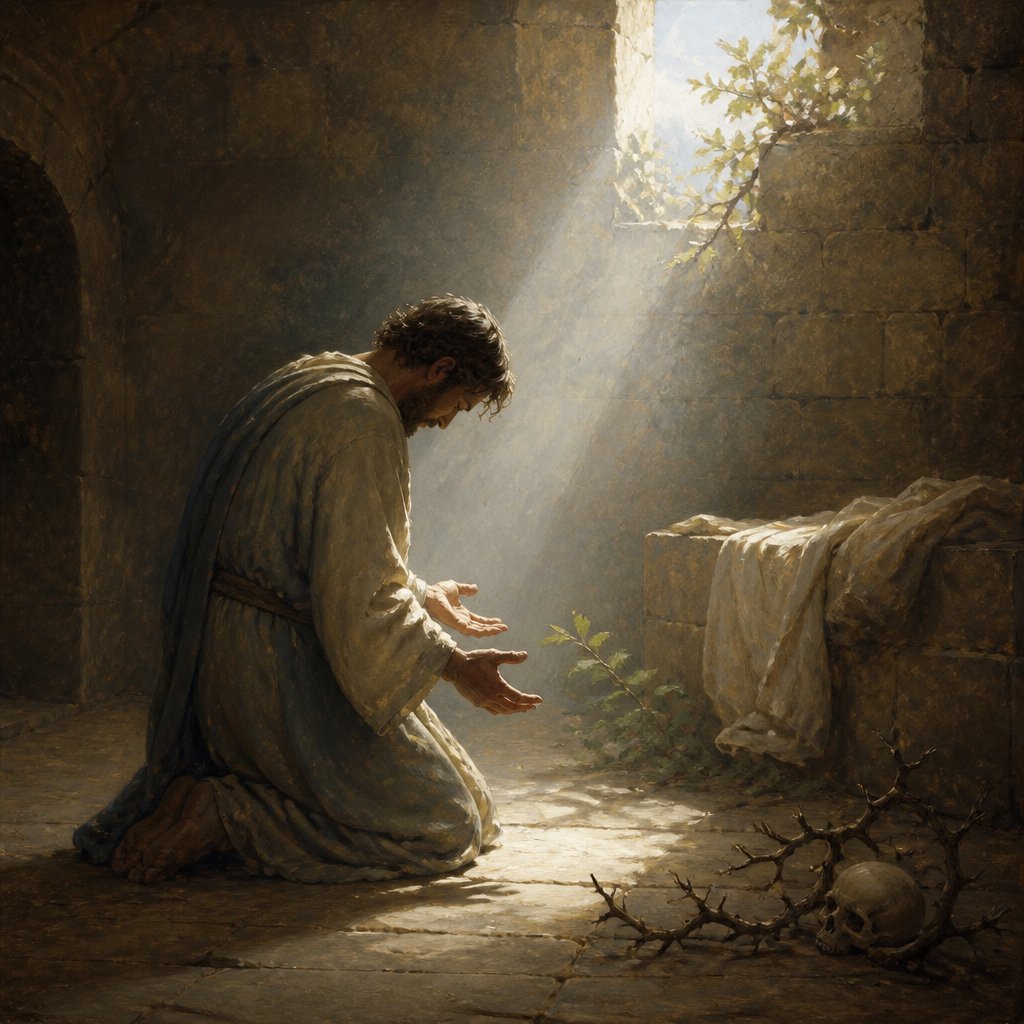
The Apostle Paul’s words in 2 Corinthians 1:9 provide profound insight into the very essence of faith and reliance on God. Here, Paul reflects on a period of great hardship, stating, "But we had the sentence of death in ourselves, that we should not trust in ourselves, but in God which raiseth the dead" (KJV). This verse emerges from a chapter where Paul shares the depths of his sufferings and the overwhelming trials faced by himself and his companions.
In this context, the phrase "the sentence of death in ourselves" captures a moment of utter despair—a realization of the human condition and the limitations of our abilities. Paul speaks to a painful reality that many believers can relate to: moments when life feels too heavy, when our problems loom larger than any solutions we can muster. In a world that often prioritizes self-reliance and individual strength, Paul challenges this view by highlighting a vital truth: our trials and tribulations can lead us to a place where we recognize the insufficient nature of our own resources.
When faced with insurmountable situations, we may feel as though we are living with a verdict of death hanging over our heads. This sentiment may echo through various struggles, whether they be emotional, spiritual, or physical. Life has a way of driving us to the brink, reminding us that control is an illusion. In these critical moments, trust becomes vital. Not trust in our own understanding or capabilities, but a radical reliance on God.
Paul presents God not only as a distant observer but as one who actively engages with our suffering. The phrase "but in God which raiseth the dead" draws our attention to the incredible power of God. Here, Paul shifts our focus from our own limitations to the boundless possibilities that arise from placing our trust in a God who is in the business of resurrection and restoration. This verse ultimately points us towards hope—an assurance that even in the darkest seasons of life, our story is not over. God’s ability to raise the dead serves as a profound reminder that He can revive what is deemed dead in our lives, whether it be dreams, relationships, or even our spiritual fervor.
Reflecting on this passage, we are invited to embark on a journey of deep faith. It beckons us to let go of the urge to rely solely on ourselves. Recognizing our own limitations can cultivate humility and dependence on the Father. It is often in these moments of surrender that we genuinely experience the fullness of God’s power. He does not strive for our self-sufficiency; instead, He calls us to lay our burdens at His feet and to trust that He will raise us up, just as He did with Christ.
As we embrace our fragility, we are encouraged to celebrate the grace that comes with faith. Understanding that our trials lead us to a deeper reliance on God fosters a participatory faith characterized by trust and openness. We are reminded that our weaknesses do not disqualify us from God’s promises but instead make room for His strength to manifest within us.
In conclusion, 2 Corinthians 1:9 invites us to reflect on spiritual maturity’s intricate facets. Trusting in God is not merely a suggestion; it is a pathway to divine intervention and transformation. Lay down your burdens, recognize God’s omnipotent nature, and allow His strength to guide you through life’s valleys. When we embrace our limitations and trust in His power, resurrection awaits, bringing new life and hope to that which once seemed irreparably lost.
Want to reflect more on 2 Corinthians 1:9?
Continue your spiritual journey with Bible Chat — an AI-powered tool for exploring God's Word through conversation. Ask questions, discover connections, and deepen your understanding.
Get Our Apps


2 Corinthians 1:9 Artwork

2 Corinthians 1:9 - "But we had the sentence of death in ourselves, that we should not trust in ourselves, but in God which raiseth the dead:"

2 Corinthians 1:9-10 - "Indeed, we felt we had received the sentence of death. But this happened that we might not rely on ourselves but on God, who raises the dead. He has delivered us from such a deadly peril, and he will deliver us again. On him we have set our hope that he will continue to deliver us."
"But we had the sentence of death in ourselves, that we should not trust in ourselves, but in God which raiseth the dead:" - 2 Corinthians 1:9
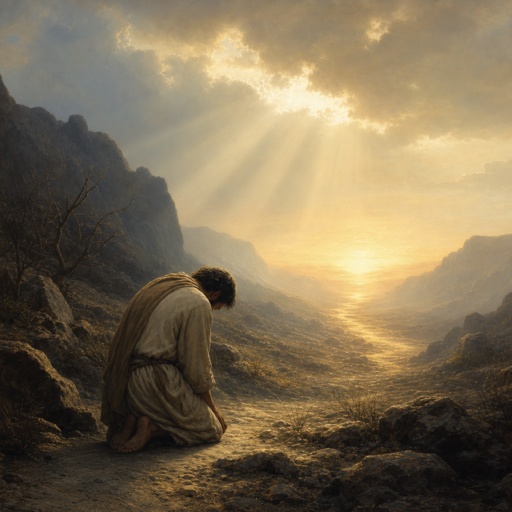
"Indeed, we felt we had received the sentence of death. But this happened that we might not rely on ourselves but on God, who raises the dead. He has delivered us from such a deadly peril, and he will deliver us again. On him we have set our hope that he will continue to deliver us." - 2 Corinthians 1:9-10

2 Corinthians 9:1 - "For as touching the ministering to the saints, it is superfluous for me to write to you:"

2 Corinthians 9:9

1 Corinthians 9:2 - "If I be not an apostle unto others, yet doubtless I am to you: for the seal of mine apostleship are ye in the Lord."

1 Corinthians 9:25-27

1 Corinthians 9:25-27

1 Corinthians 9:25-27

1 Corinthians 9:25-27

2 Corinthians 12:9

2 Corinthians 12:9

2 Corinthians 12:9
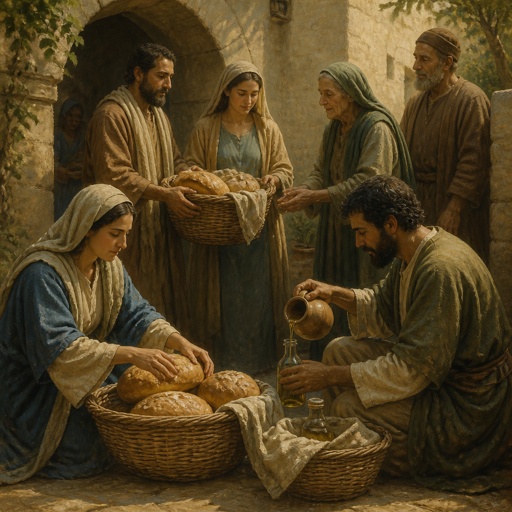
"For as touching the ministering to the saints, it is superfluous for me to write to you:" - 2 Corinthians 9:1

2 Corinthians 1:3-4

2 Corinthians 4:9 - "Persecuted, but not forsaken; cast down, but not destroyed;"

"But as it is written, Eye hath not seen, nor ear heard, neither have entered into the heart of man, the things which God hath prepared for them that love him." - 1 Corinthians 2:9
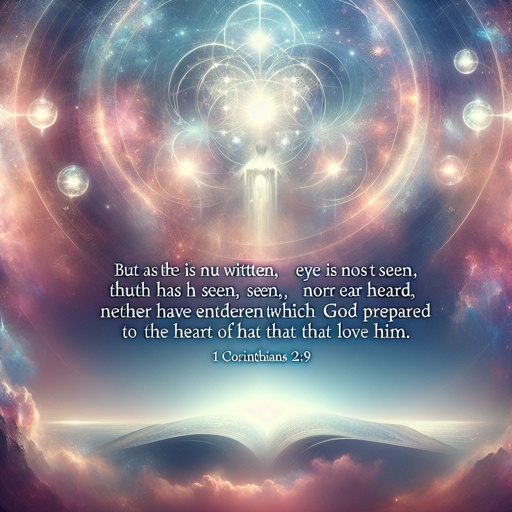
1 Corinthians 2:9 - "But as it is written, Eye hath not seen, nor ear heard, neither have entered into the heart of man, the things which God hath prepared for them that love him."
2 Corinthians 12:9-10

2 Corinthians 9:15 - "Thanks be unto God for his unspeakable gift."

1 Corinthians 9:4 - "Have we not power to eat and to drink?"

2 Corinthians 9:9 - "(As it is written, He hath dispersed abroad; he hath given to the poor: his righteousness remaineth for ever."

1 Corinthians 13:9 - "For we know in part, and we prophesy in part."

2 Corinthians 10:9 - "That I may not seem as if I would terrify you by letters."

1 corinthians 2:12

1 corinthians 2:12

1 Corinthians 11:9 - "Neither was the man created for the woman; but the woman for the man."

1 Corinthians 9:3 - "Mine answer to them that do examine me is this,"

1 Corinthians 5:9 - "I wrote unto you in an epistle not to company with fornicators:"