Caught Up to Paradise: The Secret of Divine Revelation
"How that he was caught up into paradise, and heard unspeakable words, which it is not lawful for a man to utter." - 2 Corinthians 12:4
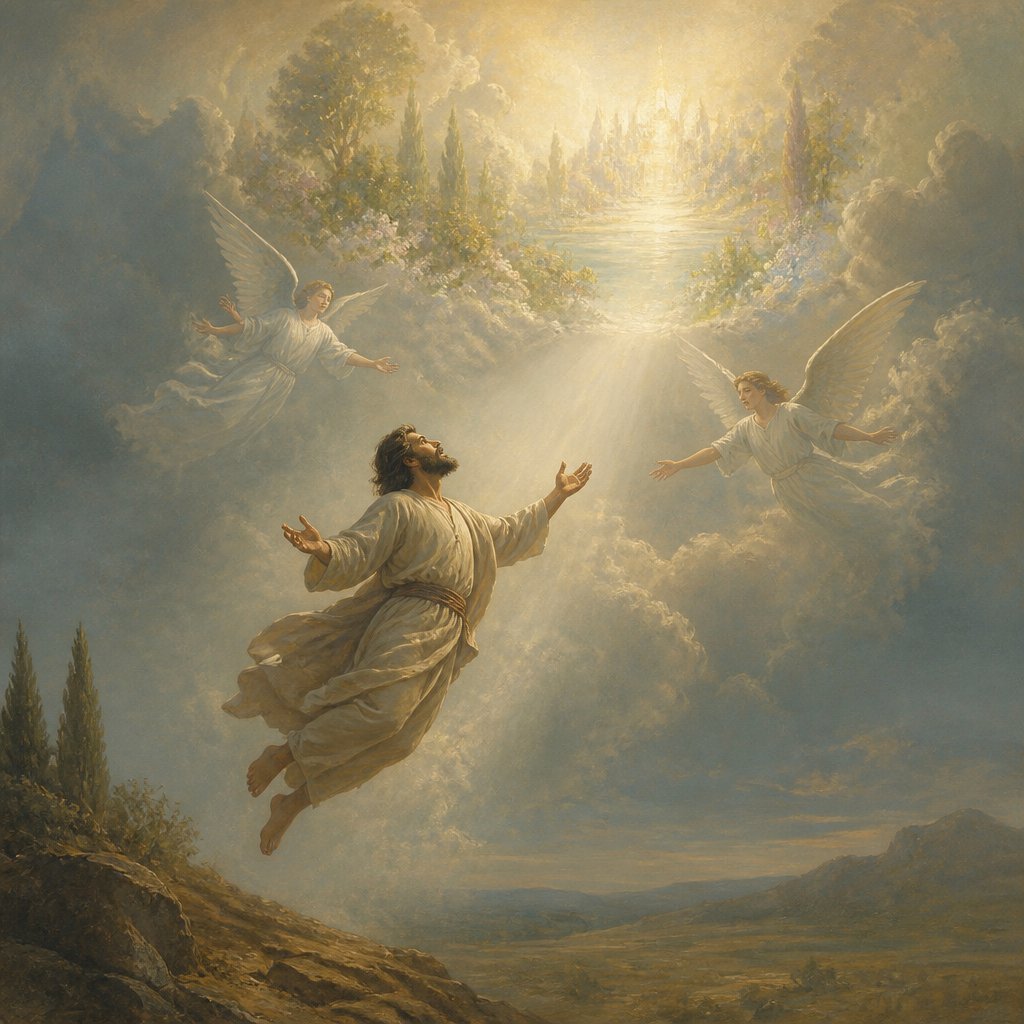
The Apostle Paul, in his second letter to the Corinthians, presents a mysterious and profound experience that beckons us into a deeper exploration of the divine. In 2 Corinthians 12:4, Paul writes: "How that he was caught up into paradise, and heard unspeakable words, which it is not lawful for a man to utter." This single verse is rich with significance and invites us to ponder the realm of the sacred, divine mysteries, and the nature of our own spiritual journeys.
To understand Paul’s experience, we must first recognize what it means to be ‘caught up’ into paradise. This phrase suggests a divine transport, a transcendence from the ordinary into the extraordinary — from earth to heaven, from the known to the unknown. As believers, we often find ourselves yearning for such encounters, longing to experience the presence of God in deeply personal ways. Much like Paul, we may find ourselves encountering moments of spiritual elevation, where the cares of the world fade and the wonders of God are unveiled before us. However, these experiences can leave us puzzled; how does one articulate the inexpressible?
The term ‘paradise’ holds deep biblical significance. It recalls the Garden of Eden as an embodiment of God’s perfect creation, a place of communion with Him before the fall. In the New Testament, paradise also represents the blissful abode of the righteous. When Jesus spoke to the thief on the cross, he reassured him, "Verily I say unto thee, Today shalt thou be with me in paradise" (Luke 23:43). Here, Paul draws upon this imagery, suggesting that the experience he had was not just a transient feeling, but a glimpse into the eternal realities of God’s kingdom.
Moreover, the ‘unspeakable words’ that Paul heard are noteworthy. They are described as ‘unutterable’ or ‘unspeakable’, indicating that the nature of this revelation transcends human language and comprehension. God’s wisdom is so profound that at times it escapes our understanding. Isaiah captures this sentiment well: "For my thoughts are not your thoughts, neither are your ways my ways, saith the LORD" (Isaiah 55:8). As we meditate on this aspect, we recognize that the divine mysteries may sometimes lead us into silence rather than significant discussions. In our relationship with God, there are truths that we might feel are too sacred to even attempt to describe.
Interestingly, Paul denotes that it is ‘not lawful’ for a man to utter these words. This suggests that divine revelation may be intended for personal edification rather than public proclamation. In our pursuit of spiritual experiences, it’s crucial to remember that not every divine truth requires public announcement; some truths are meant to be cherished and pondered in the secret place of our hearts. As we strive to deepen our relationship with God, it is essential to differentiate between experiences meant for personal growth and those intended to be shared openly with others.
As we contemplate this verse, we are reminded of our need for humility. Just as Paul was keenly aware of the weight of his experiences, we should recognize that entering into God’s presence obligates us to respond with reverence and awe. Our faith journeys are not solely measured by the revelations we receive but by how we respond to these divine insights. How can we seek to know God more deeply, while simultaneously embracing the mystery of all He is?
In conclusion, let us be inspired by Paul’s journey to paradise. This verse compels us to pursue our spiritual passions with fervor, seeking those moments where we feel elevated into God’s presence. May we also possess the wisdom to hold sacred those experiences that defy articulation. In our hearts, let us preserve these ‘unspeakable words’ — allowing them to shape our character, influence our walk, and draw us closer into the embrace of our Creator.
Want to reflect more on 2 Corinthians 12:4?
Continue your spiritual journey with Bible Chat — an AI-powered tool for exploring God's Word through conversation. Ask questions, discover connections, and deepen your understanding.
Get Our Apps


2 Corinthians 12:4 Artwork

2 Corinthians 12:4 - "How that he was caught up into paradise, and heard unspeakable words, which it is not lawful for a man to utter."
"How that he was caught up into paradise, and heard unspeakable words, which it is not lawful for a man to utter." - 2 Corinthians 12:4

2 Corinthians 12:2-4 – Paul’s vision of the third heaven.

2 Corinthians 4:12 - "So then death worketh in us, but life in you."
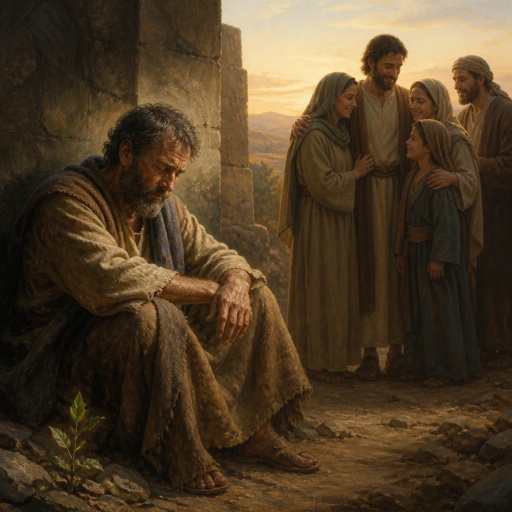
"So then death worketh in us, but life in you." - 2 Corinthians 4:12

2 Corinthians 4:4

2 Corinthians 4:4

2 Corinthians 4:4

2 Corinthians 4:4

2 Corinthians 4:4

2 Corinthians 4:4

2 Corinthians 4:4

1 corinthians 2:12

1 corinthians 2:12

2 Corinthians 12:9

2 Corinthians 12:7

2 Corinthians 12:7

1 corinthians 2:12

1 corinthians 2:12

1 Corinthians 12:4 - "Now there are diversities of gifts, but the same Spirit."

2 Corinthians 4:4

2 Corinthians 4:6

2 Corinthians 4:6

2 Corinthians 4:6

2 Corinthians 4:6

2 Corinthians 4:6

2 Corinthians 4:6

2 Corinthians 4:6

2 Corinthians 4:6

2 Corinthians 12:9