The Chronicles of Wisdom: Reflecting on Solomon's Legacy
"¶ Now the rest of the acts of Solomon, first and last, are they not written in the book of Nathan the prophet, and in the prophecy of Ahijah the Shilonite, and in the visions of Iddo the seer against Jeroboam the son of Nebat?" - 2 Chronicles 9:29
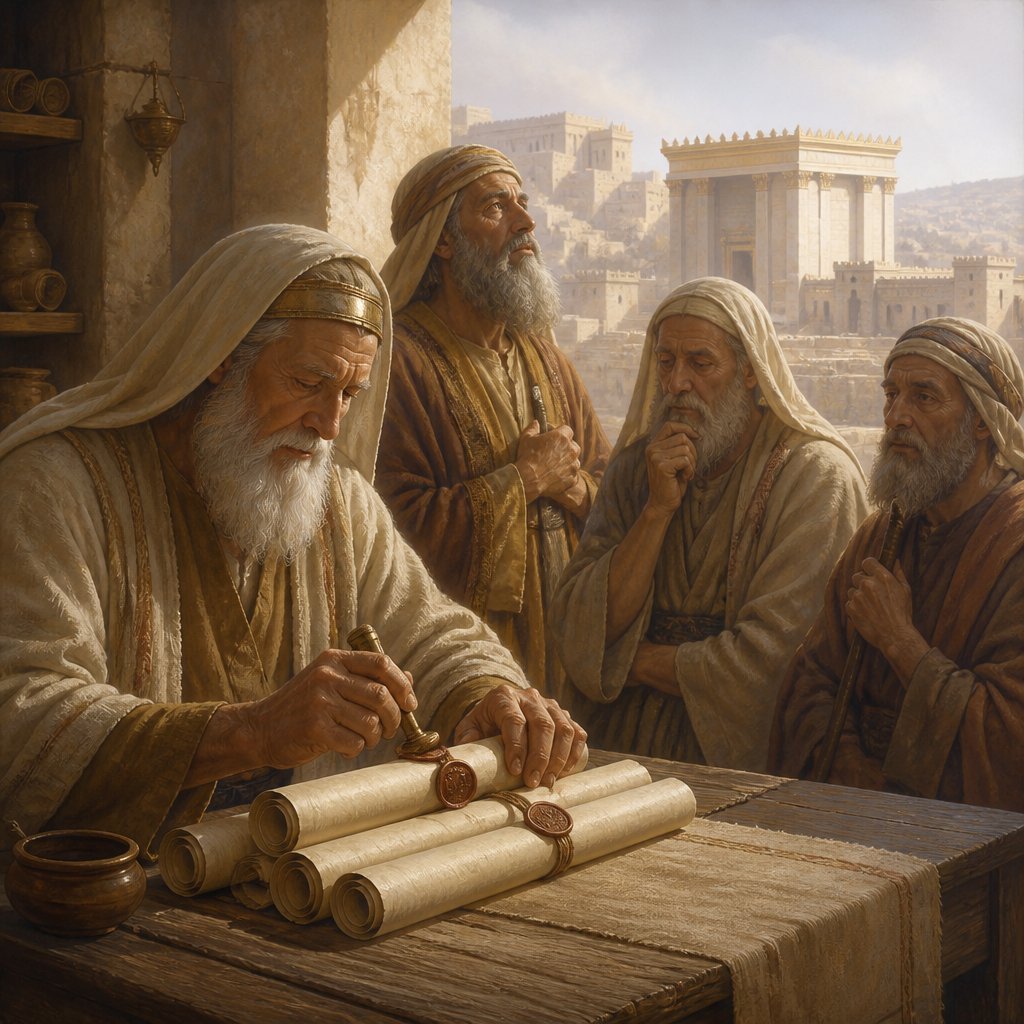
As we delve into 2 Chronicles 9:29, where it states, "Now the rest of the acts of Solomon, first and last, are they not written in the book of Nathan the prophet, and in the prophecy of Ahijah the Shilonite, and in the visions of Iddo the seer against Jeroboam the son of Nebat?" we are invited to reflect deeply on the life of one of the most renowned figures in the Bible—King Solomon. The weight of his legacy stretches far beyond his time, encapsulated in the splendor of his reign and the wisdom he imparted.
Solomon, known for his unparalleled wisdom granted by God, built a temple that became the heart of worship for Israel. His reign was marked by prosperity, peace, architectural marvels, and even the writing of several books of wisdom, including Proverbs and Ecclesiastes. Yet, in this particular verse, we are reminded that the narrative of Solomon’s life extends into a realm beyond mere accomplishments—it is a recorded journey of actions, decisions, and the interplay of divine prophecy.
The reference to "the book of Nathan the prophet" suggests that Solomon's life was not merely a personal saga but one intertwined with divine revelation. Nathan, the prophet, provides a critical commentary on Solomon's rise and fall, underscoring the importance of prophetic voices in leading a nation and guiding a king. As we consider this, we are drawn to the reality that our lives, like Solomon’s, ought to be intertwined with the divine narrative. God records our days, not merely to record events, but to demonstrate how those events fit into His greater plan.
Next, the reference to Ahijah the Shilonite and the visions of Iddo the seer against Jeroboam encapsulates the prophetic warnings given to Solomon, foreshadowing the division of the kingdom that would come as a result of his straying from God’s commandments. This serves as a poignant reminder that while we may begin with wisdom and favor, there exists a danger when we turn away from God’s word and succumb to our own understanding. The disparity between Solomon’s early decisions—driven by wisdom and devotion to God—and his later choices—marked by compromise—is a reflection of the broader human experience. We, too, are prone to wander from the path that God has set before us.
In contemplating Solomon’s life through the lens of 2 Chronicles 9:29, it isn’t just a recounting of a historical figure; it is an invitation for us to examine our own lives. What spiritual legacies are we building? Are we aligning ourselves with prophetic truths that challenge us? As Solomon’s life shows, all of our actions—both good and bad—are written in the scrolls of our lives and known to the Lord. This serves as both an encouragement and a sobering reminder that our choices matter.
Moreover, as we reflect on the idea of the "rest of the acts of Solomon," we are compelled to consider the fullness of what it means to live a life dedicated to God. The good works and the wise decisions of our lives may inspire others, but it is crucial to also heed the warning against pride and disobedience that came into play in Solomon’s later years. We can be wise and still falter if we believe ourselves invulnerable to sin.
In conclusion, the life of Solomon is a rich tapestry of wisdom, wealth, and warning. His kingdom was not merely about external achievements; it was about internal alignment with the will of God. May we strive not only to emulate his wisdom but also to learn from the pitfalls he faced. Let us write our own story in alignment with God’s purposes, seeking to reflect His glory in every act—first and last—bringing honor to His name.
Want to reflect more on 2 Chronicles 9:29?
Continue your spiritual journey with Bible Chat — an AI-powered tool for exploring God's Word through conversation. Ask questions, discover connections, and deepen your understanding.
Get Our Apps


2 Chronicles 9:29 Artwork

2 Chronicles 9:29 - "¶ Now the rest of the acts of Solomon, first and last, are they not written in the book of Nathan the prophet, and in the prophecy of Ahijah the Shilonite, and in the visions of Iddo the seer against Jeroboam the son of Nebat?"
"¶ Now the rest of the acts of Solomon, first and last, are they not written in the book of Nathan the prophet, and in the prophecy of Ahijah the Shilonite, and in the visions of Iddo the seer against Jeroboam the son of Nebat?" - 2 Chronicles 9:29

2 Chronicles 29:9 - "For, lo, our fathers have fallen by the sword, and our sons and our daughters and our wives are in captivity for this."

2 Chronicles 29:29 - "And when they had made an end of offering, the king and all that were present with him bowed themselves, and worshipped."

2 Chronicles 29:26 - "And the Levites stood with the instruments of David, and the priests with the trumpets."
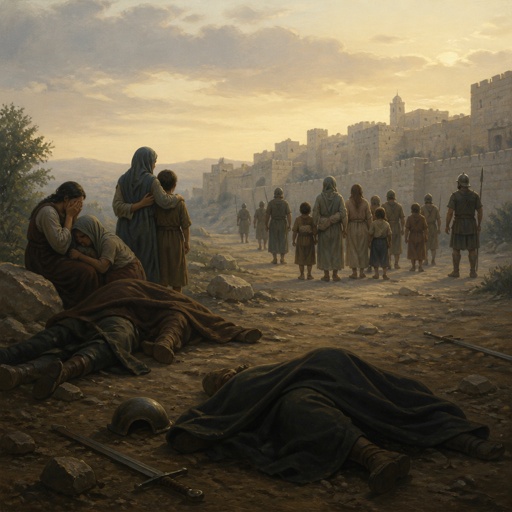
"For, lo, our fathers have fallen by the sword, and our sons and our daughters and our wives are in captivity for this." - 2 Chronicles 29:9

2 Chronicles 29:13 - "And of the sons of Elizaphan; Shimri, and Jeiel: and of the sons of Asaph; Zechariah, and Mattaniah:"

2 Chronicles 34:29 - "¶ Then the king sent and gathered together all the elders of Judah and Jerusalem."

2 Chronicles 29:14 - "And of the sons of Heman; Jehiel, and Shimei: and of the sons of Jeduthun; Shemaiah, and Uzziel."

2 Chronicles 29:2 - "And he did that which was right in the sight of the LORD, according to all that David his father had done."

1 Chronicles 9:29 - "Some of them also were appointed to oversee the vessels, and all the instruments of the sanctuary, and the fine flour, and the wine, and the oil, and the frankincense, and the spices."

1 Chronicles 29:9 - "Then the people rejoiced, for that they offered willingly, because with perfect heart they offered willingly to the LORD: and David the king also rejoiced with great joy."

2 Chronicles 29:33 - "And the consecrated things were six hundred oxen and three thousand sheep."

2 Chronicles 29:4 - "And he brought in the priests and the Levites, and gathered them together into the east street,"

1 Chronicles 2:29 - "And the name of the wife of Abishur was Abihail, and she bare him Ahban, and Molid."

2 Chronicles 29:20 - "¶ Then Hezekiah the king rose early, and gathered the rulers of the city, and went up to the house of the LORD."

2 Chronicles 29:36 - "And Hezekiah rejoiced, and all the people, that God had prepared the people: for the thing was done suddenly."

2 Chronicles 18:9

2 Chronicles 18:9

2 Chronicles 21:9

2 Chronicles 11:9 - "And Adoraim, and Lachish, and Azekah,"

2 Chronicles 29:23 - "And they brought forth the he goats for the sin offering before the king and the congregation; and they laid their hands upon them:"

2 Chronicles 29:28 - "And all the congregation worshipped, and the singers sang, and the trumpeters sounded: and all this continued until the burnt offering was finished."

2 Chronicles 29:15 - "And they gathered their brethren, and sanctified themselves, and came, according to the commandment of the king, by the words of the LORD, to cleanse the house of the LORD."

2 Chronicles 29:3 - "¶ He in the first year of his reign, in the first month, opened the doors of the house of the LORD, and repaired them."

2 Kings 9:29 - "And in the eleventh year of Joram the son of Ahab began Ahaziah to reign over Judah."

2 Chronicles 20:29 - "And the fear of God was on all the kingdoms of those countries, when they had heard that the LORD fought against the enemies of Israel."

2 Chronicles 31:9 - "Then Hezekiah questioned with the priests and the Levites concerning the heaps."

"And the Levites stood with the instruments of David, and the priests with the trumpets." - 2 Chronicles 29:26

2 Chronicles 29:10 - "Now it is in mine heart to make a covenant with the LORD God of Israel, that his fierce wrath may turn away from us."