The Weight of Consequences: Understanding 2 Chronicles 7:20
"Then will I pluck them up by the roots out of my land which I have given them; and this house, which I have sanctified for my name, will I cast out of my sight, and will make it to be a proverb and a byword among all nations." - 2 Chronicles 7:20
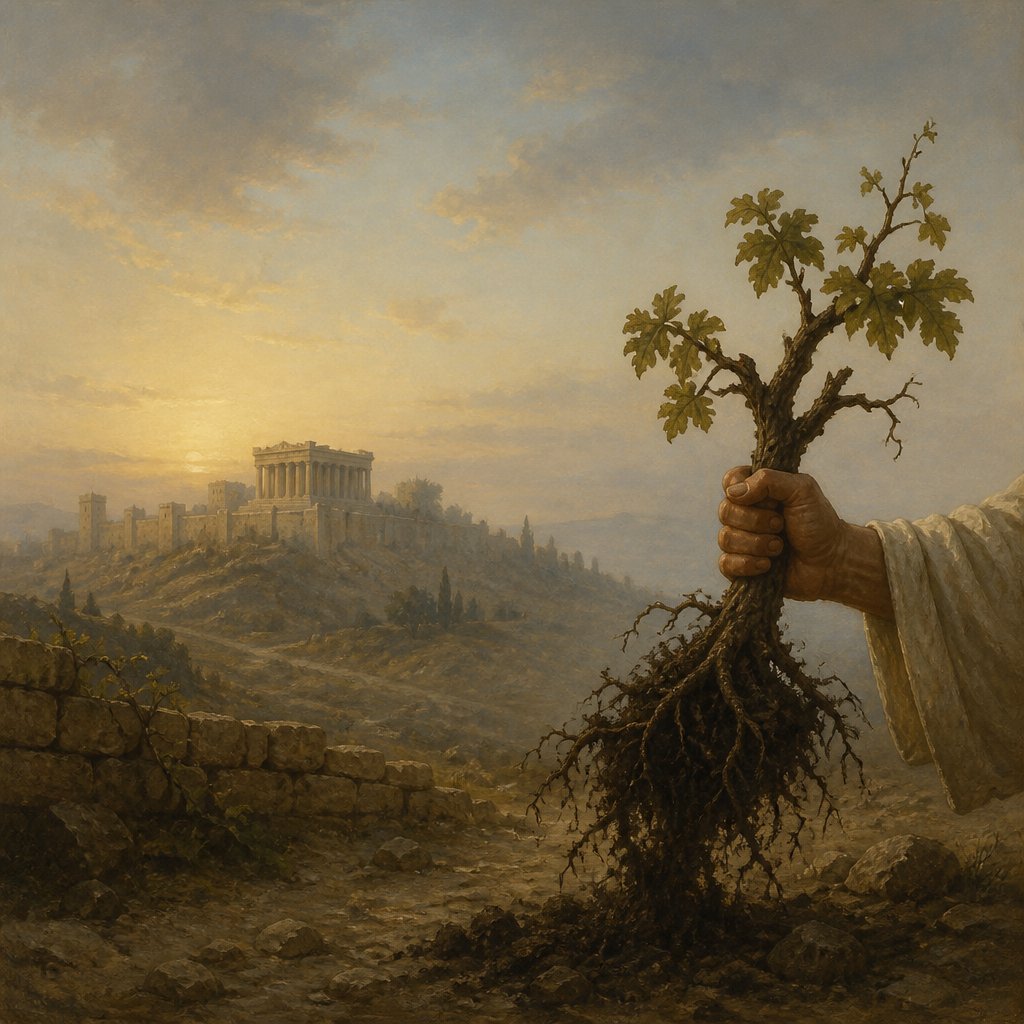
In the tapestry of scripture, the verse 2 Chronicles 7:20 stands as a stark reminder of the seriousness of covenant relationships and the potential for abandonment when faith is forsaken. The King James Version renders this verse: "Then will I pluck them up by the roots out of my land which I have given them; and this house, which I have sanctified for my name, will I cast out of my sight, and will make it to be a proverb and a byword among all nations." In this verse, God speaks with monumental authority, declaring the consequences that follow disobedience and the severing of a connection with Him.
To understand the depth of this verse, we must first consider the context of God’s covenant with His people. After Solomon completed the construction of the temple in Jerusalem, God appeared to him and made a series of promises and warnings. The dedication of the temple was not only the physical house where God's presence would dwell but also a symbol of His commitment to Israel. It represented the pinnacle of God's relationship with them, imbued with the understanding that obedience, worship, and fidelity were paramount.
The phrase "pluck them up by the roots" conveys a violent removal, suggesting a complete severance that goes beyond mere displacement. This image fosters a reflection on our relationship with God and the seriousness of our actions. To be "plucked up by the roots" means to lose not just a position in a land, but a whole way of life—a culture built on the reverence and worship of the One True God. It speaks of divine judgment that results from persistent unbelief and rebellion.
Turning away from God leads individuals and nations down a path of destruction. In verse 20, there is a clear indication that God is not just addressing the people’s failure, but it is also about the sanctity of the house—the temple, where His name resides. God says, "this house, which I have sanctified for my name, will I cast out of my sight." Here we see that God is not interested in merely having a building dedicated to Him if the people are living lives riddled with unfaithfulness. The covenant is mutual, requiring both God’s faithfulness and the people’s response in obedience.
Additionally, God declares that the temple will become a "proverb and a byword among all nations." This is a chilling statement. It signifies that the temple, once a symbol of divine presence and blessing, becomes a warning—a demolished structure serves as a metaphor for judgment and disappointment. How tragic it is for something once esteemed to become a relic of disgrace! It is a vivid tableau of how quickly glory can turn to shame, reminding us of the biblical truth that pride comes before destruction (Proverbs 16:18).
Reflecting on this verse in our own lives, we must ask ourselves: What roots are we nurturing? Are we fostering a relationship with God that is vibrant and alive, or are we on the verge of losing the essence of our faith? The cares of the world, distractions, doubt, and disobedience can all lead to a slow disconnection from the very source of life.
In humility, let us recognize the gravity of walking away from God. Restoration is always possible; however, it requires repentance and a sincere return to Him. God is calling us to examine our hearts and homes, to ensure they are places where His name is honored and sanctified. The consequences of dismissal may be severe, but His arms are open wide, inviting us to come back to the sanctity and safety of His love. Let us not be a proverb or byword among the nations, but a testimony of faithful trust and obedience.
As we meditate on these truths, may we seek to fortify our foundations in faith, rooting ourselves deeply in His Word, ensuring that our lives glorify His name and reflect the beauty of His holiness.
Want to reflect more on 2 Chronicles 7:20?
Continue your spiritual journey with Bible Chat — an AI-powered tool for exploring God's Word through conversation. Ask questions, discover connections, and deepen your understanding.
Get Our Apps


2 Chronicles 7:20 Artwork
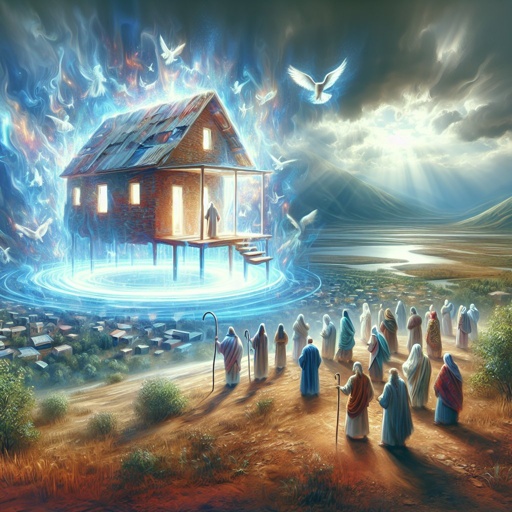
2 Chronicles 7:20 - "Then will I pluck them up by the roots out of my land which I have given them; and this house, which I have sanctified for my name, will I cast out of my sight, and will make it to be a proverb and a byword among all nations."
"Then will I pluck them up by the roots out of my land which I have given them; and this house, which I have sanctified for my name, will I cast out of my sight, and will make it to be a proverb and a byword among all nations." - 2 Chronicles 7:20

2 Chronicles 20:7 - "Art not thou our God, who didst drive out the inhabitants of this land before thy people Israel, and gavest it to the seed of Abraham thy friend for ever?"

1 Chronicles 7:20 - "¶ And the sons of Ephraim; Shuthelah, and Bered his son, and Tahath his son, and Eladah his son, and Tahath his son,"

2 Chronicles 20:37

2 Chronicles 11:20

2 Chronicles 20:28

2 chronicles 7:14

2 chronicles 7:14

2 Chronicles 20:21

2 Chronicles 20:18

1 Chronicles 20:7 - "But when he defied Israel, Jonathan the son of Shimea David's brother slew him."

2 Chronicles 30:20 - "And the LORD hearkened to Hezekiah, and healed the people."

1 Chronicles 2:20 - "And Hur begat Uri, and Uri begat Bezaleel."

2 Chronicles 20:28 - "And they came to Jerusalem with psalteries and harps and trumpets unto the house of the LORD."

2 Chronicles 11:7 - "And Beth-zur, and Shoco, and Adullam,"

Humble ourselves and pray 2 Chronicles 7:14

2 Chronicles 20:13 - "And all Judah stood before the LORD, with their little ones, their wives, and their children."

2 Chronicles 32:20 - "And for this cause Hezekiah the king, and the prophet Isaiah the son of Amoz, prayed and cried to heaven."

2 Kings 20:20 - "¶ And the rest of the acts of Hezekiah, and all his might, and how he made a pool, and a conduit, and brought water into the city, are they not written in the book of the chronicles of the kings of Judah?"

2 Chronicles 20:5 - "¶ And Jehoshaphat stood in the congregation of Judah and Jerusalem, in the house of the LORD, before the new court,"

2 Chronicles 20:8 - "And they dwelt therein, and have built thee a sanctuary therein for thy name, saying,"

2 Chronicles 29:20 - "¶ Then Hezekiah the king rose early, and gathered the rulers of the city, and went up to the house of the LORD."

2 Chronicles 20:3 - "And Jehoshaphat feared, and set himself to seek the LORD, and proclaimed a fast throughout all Judah."

2 Chronicles 20:30 - "So the realm of Jehoshaphat was quiet: for his God gave him rest round about."

2 Chronicles 4:20 - "Moreover the candlesticks with their lamps, that they should burn after the manner before the oracle, of pure gold;"

2 Chronicles 28:20 - "And Tilgath-pilneser king of Assyria came unto him, and distressed him, but strengthened him not."

2 Chronicles 7:4 - "¶ Then the king and all the people offered sacrifices before the LORD."

2 Chronicles 20:36 - "And he joined himself with him to make ships to go to Tarshish: and they made the ships in Ezion-geber."

2 Chronicles 7:2 - "And the priests could not enter into the house of the LORD, because the glory of the LORD had filled the LORD'S house."