The Weight of Oaths: A Heart in Accountability
"¶ If a man sin against his neighbour, and an oath be laid upon him to make him swear, and the oath come before thine altar in this house;" - 2 Chronicles 6:22
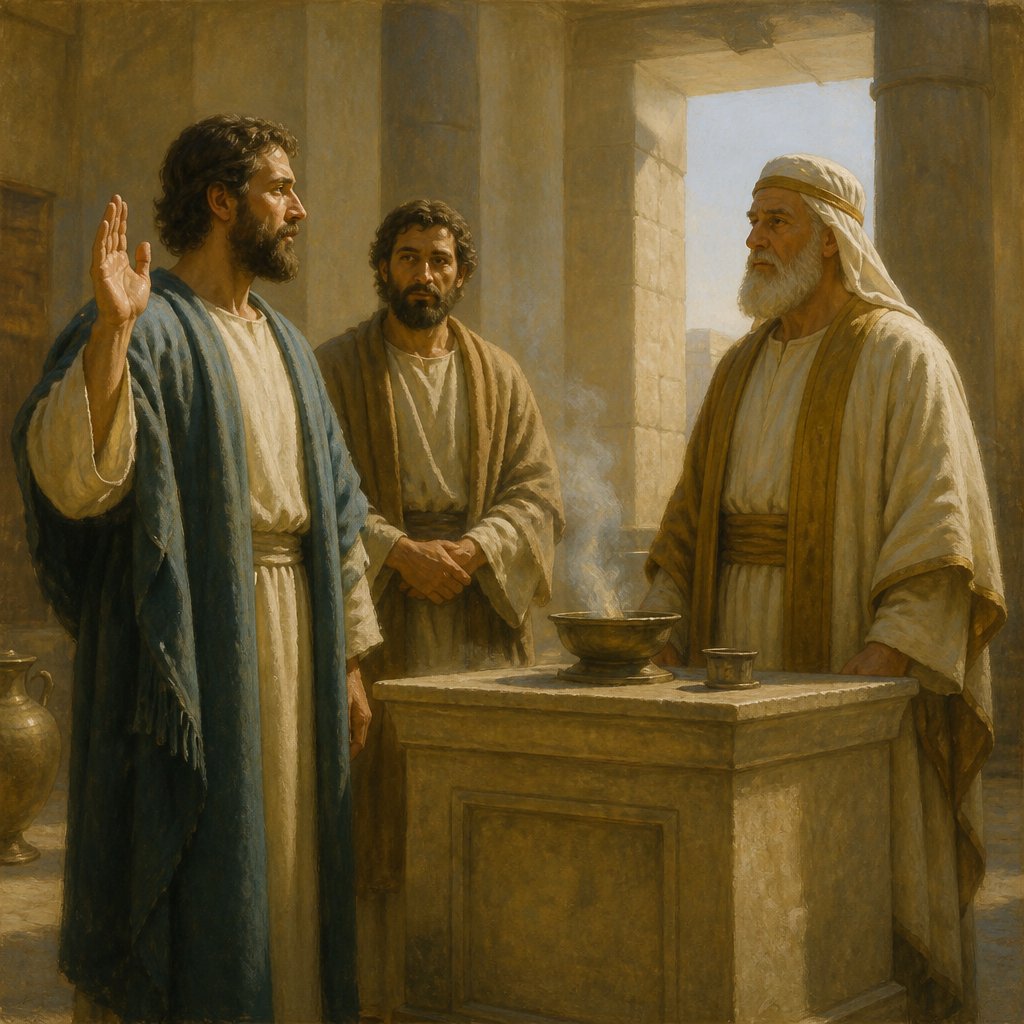
In 2 Chronicles 6:22, we encounter a significant moment in Solomon’s prayer of dedication for the temple built in Jerusalem. The verse reads, "If a man sin against his neighbour, and an oath be laid upon him to make him swear, and the oath come before thine altar in this house;" This verse encapsulates a profound truth about the intersection of human relationships, accountability, and divine witness, inviting us to delve into both the context and the application of such a weighty statement.
Firstly, it's essential to understand the backdrop of this passage. Solomon, having completed the monumental task of constructing the temple, seeks to establish it not just as a physical sanctuary but as a spiritual hub. When this verse is spoken, it does not just address individual sin; it places it within the realm of community and societal ethics. The sin against one’s neighbor resonates deeply within the framework of communal living, suggesting that our relationship with others reflects our relationship with God. In essence, sin cannot be treated as a mere personal matter but one that reverberates through the fabric of our society.
When we look at the phrase "an oath be laid upon him to make him swear," it provides insight into a significant aspect of justice and accountability within Israelite culture. An oath, particularly one taken in front of God’s altar, is not only a personal commitment but also a solemn declaration of intention. It bears the weight of divine accountability. This tradition emphasizes the seriousness with which promises and truths should be treated. It acts as a reminder that when we make promises—whether in marriage, contracts, or in our everyday interactions—we do so under the omnipresent gaze of God.
Moreover, the reference to the altar is crucial. The altar symbolizes a place of sacrifice, atonement, and divine witness. Its presence in this context signifies that any violation of our words—any sin against a neighbor—is not merely a legalistic issue but a deeply spiritual one. Our actions, particularly those that cause harm to others, can have ramifications that extend beyond immediate repercussions. They affect our standing before God, given that He desires truthfulness and integrity in our dealings with one another.
As Christians, this brings us to a special moment of reflection about our own obligations to our neighbors. How often do we take our promises lightly? How often do we forget that our conduct towards others can impact not just our relationships but our spiritual lives? Matthew 5:23-24 aligns well with this sentiment, urging us to reconcile with our brothers and sisters before presenting our offerings to God. It’s a poignant acknowledgment that our relationships on earth are interconnected with our relationship with the Divine.
In this modern world, where personal and societal integrity can sometimes seem diluted, the charge laid out in 2 Chronicles 6:22 resonates louder than ever. We are called to hold ourselves accountable, not just in words but in action. When we sin against our neighbors—through lies, deceit, neglect, or indifference—we not only harm them but jeopardize our witness as followers of Christ. James 5:12 also reminds us, "But above all things, my brethren, swear not, neither by heaven, neither by the earth, neither by any other oath: but let your yea be yea; and your nay, nay; lest ye fall into condemnation."
As we meditate on this profound verse, let it encourage us to cultivate a spirit of integrity and honesty in all our dealings. Let it turn our hearts towards the neighbors we encounter each day, reminding us that our words carry the weight of heavenly accountability. Perhaps now is the time to consider: are there oaths we need to uphold? Are there reconciliations we need to pursue? May we approach our commitments with a renewed sense of purpose, trusting that in our faithfulness, we mirror the characteristics of Christ, who is the ultimate example of truth and integrity.
Want to reflect more on 2 Chronicles 6:22?
Continue your spiritual journey with Bible Chat — an AI-powered tool for exploring God's Word through conversation. Ask questions, discover connections, and deepen your understanding.
Get Our Apps


2 Chronicles 6:22 Artwork

2 Chronicles 6:22 - "¶ If a man sin against his neighbour, and an oath be laid upon him to make him swear, and the oath come before thine altar in this house;"
"¶ If a man sin against his neighbour, and an oath be laid upon him to make him swear, and the oath come before thine altar in this house;" - 2 Chronicles 6:22

1 Chronicles 6:22 - "The sons of Kohath; Amminadab his son, Korah his son, Assir his son,"

2 Chronicles 36:22

2 Chronicles 4:22

1 Chronicles 22:6 - "¶ Then he called for Solomon his son, and charged him to build an house for the LORD God of Israel."

"The sons of Kohath; Amminadab his son, Korah his son, Assir his son," - 1 Chronicles 6:22

2 Chronicles 6:13
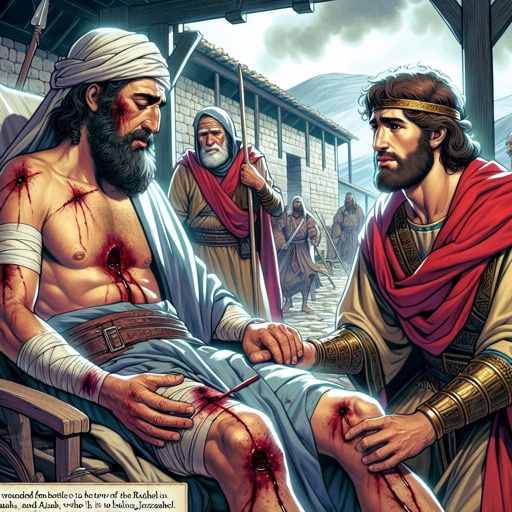
2 Chronicles 22:6 - "And he returned to be healed in Jezreel because of the wounds which were given him at Ramah, when he fought with Hazael king of Syria. And Azariah the son of Jehoram king of Judah went down to see Jehoram the son of Ahab at Jezreel, because he was sick."

2 Chronicles 9:22 - "And king Solomon passed all the kings of the earth in riches and wisdom."

2 Samuel 6:14–22

2 Chronicles 25:22 - "And Judah was put to the worse before Israel, and they fled every man to his tent."

1 Chronicles 2:22 - "And Segub begat Jair, who had three and twenty cities in the land of Gilead."

2 Chronicles 6:2 - "But I have built an house of habitation for thee, and a place for thy dwelling for ever."

1 Chronicles 6:2 - "And the sons of Kohath; Amram, Izhar, and Hebron, and Uzziel."

2 Chronicles 22:12 - "And he was with them hid in the house of God six years: and Athaliah reigned over the land."

2 Chronicles 13:22 - "And the rest of the acts of Abijah, and his ways, and his sayings, are written in the story of the prophet Iddo."

2 Chronicles 28:22 - "¶ And in the time of his distress did he trespass yet more against the LORD: this is that king Ahaz."

2 Chronicles 6:6 - "But I have chosen Jerusalem, that my name might be there; and have chosen David to be over my people Israel."

2 Chronicles 11:6 - "He built even Beth-lehem, and Etam, and Tekoa,"

2 Chronicles 22:3 - "He also walked in the ways of the house of Ahab: for his mother was his counsellor to do wickedly."

2 Chronicles 26:22 - "¶ Now the rest of the acts of Uzziah, first and last, did Isaiah the prophet, the son of Amoz, write."

2 Chronicles 6:35 - "Then hear thou from the heavens their prayer and their supplication, and maintain their cause."

2 Chronicles 28:22 (KJVA) 22 And in the time of his distress did he trespass yet more against the LORD: this is that king Ahaz.

2 Samuel 22:6 - "The sorrows of hell compassed me about; the snares of death prevented me;"

2 Chronicles 3:6 - "And he garnished the house with precious stones for beauty: and the gold was gold of Parvaim."

2 Chronicles 12:6 - "Whereupon the princes of Israel and the king humbled themselves; and they said, The LORD is righteous."

2 Kings 22:6 - "Unto carpenters, and builders, and masons, and to buy timber and hewn stone to repair the house."

2 Chronicles 22:2 - "Forty and two years old was Ahaziah when he began to reign, and he reigned one year in Jerusalem. His mother's name also was Athaliah the daughter of Omri."

1 Chronicles 2:6 - "And the sons of Zerah; Zimri, and Ethan, and Heman, and Calcol, and Dara: five of them in all."