Heaps of Blessing: A Reflection on Accountability and Stewardship
"Then Hezekiah questioned with the priests and the Levites concerning the heaps." - 2 Chronicles 31:9

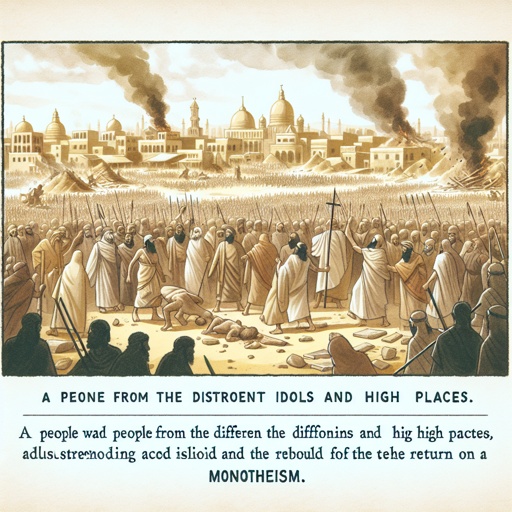
In the unfolding narrative of 2 Chronicles 31, we find King Hezekiah embarking on a deeply spiritual and practical mission: the restoration of proper worship and temple service in Israel. After a time of neglect and idolatry, Hezekiah has sought to revive and renew the covenant practices that pleases God. The verse that particularly captures our attention is 2 Chronicles 31:9, which states, "Then Hezekiah questioned with the priests and the Levites concerning the heaps."
At first glance, this verse may seem merely administrative, but upon deeper reflection, it unveils layers of theological and practical significance. The word "heaps" refers to the piles of offerings and contributions that had accumulated as God’s people responded to the call for worship and service. It is critical to recognize that these heaps were representative of a heart turned back to God and a community ready to support the worship that He desired. They were also indicative of the faith and obedience of the people who understood the importance of giving back to God.
Hezekiah’s inquiry into these "heaps" speaks volumes about his leadership style and spiritual accountability. As a king, it was his duty to ensure that the people’s offerings were being utilized in a manner pleasing to God. This inquisitive nature reflects a leader who is not only concerned with the quantity of contributions but is also committed to the righteous use of resources for God’s glory. In the same way, we, too, are called to consider the resources we possess—our time, talent, and treasure—and how we utilize them for God’s kingdom.
The act of questioning, in itself, reveals Hezekiah’s humility and recognition that stewardship requires collaborative effort and divine guidance. By consulting with the priests and Levites, Hezekiah acknowledges the roles of spiritual leaders in interpreting how these resources should be employed. It reminds us that accountability is a shared responsibility. In our own lives, we must consider how we hold ourselves accountable and how we seek counsel from those who are spiritually mature and can provide insight into our stewardship practices.
Furthermore, the heaps symbolize abundance and blessing. They are tangible tokens of God’s provision and faithfulness. The Israelites’ willingness to give generously speaks of their recognition of God’s sovereignty and the blessings that flow from a relationship with Him. As believers today, we encounter similar opportunities for generosity, and we must ask ourselves—are we contributing from the excess of our hearts, or are we withholding out of fear or doubt?
Additionally, Hezekiah’s examination of the heaps invites us to ponder the condition of our own spiritual lives. Are there heaps in our lives that reflect our commitment to God? Consider the time we dedicate to prayer, the acts of service we extend to our communities, and our engagement in church and spiritual growth. Just as Hezekiah sought to understand the nature and purpose of the heaps, we must also reflect on the areas in which we can grow in our relationship with God.
In many ways, the heaps challenge us to move beyond a casual faith to one that actively participates in God’s redemptive work. It challenges us to consider: What can we set aside for God? What are we accumulating that could be better used for His purposes?
As we meditate on Hezekiah’s actions and the symbolic piles of blessings, let us take heart that our giving, whether of material goods or spiritual gifts, can create heaps that glorify God and bless others. We must navigate our spiritual journeys with intentionality and seek to inquire, like Hezekiah, into how our lives can bear fruit in abundance, all while serving the One who blesses so richly. In doing so, we will honor God and inspire others to join in the collective mission of worship and service.
Want to reflect more on 2 Chronicles 31:9?
Continue your spiritual journey with Bible Chat — an AI-powered tool for exploring God's Word through conversation. Ask questions, discover connections, and deepen your understanding.
Get Our Apps


2 Chronicles 31:9 Artwork

2 Chronicles 31:9 - "Then Hezekiah questioned with the priests and the Levites concerning the heaps."

"Then Hezekiah questioned with the priests and the Levites concerning the heaps." - 2 Chronicles 31:9

2 Chronicles 9:31 - "And Solomon slept with his fathers, and he was buried in the city of David his father: and Rehoboam his son reigned in his stead."
2 Chronicles 31:1

2 Chronicles 31:1

2 Chronicles 31:11 - "¶ Then Hezekiah commanded to prepare chambers in the house of the LORD; and they prepared them,"

1 Chronicles 9:31 - "And Mattithiah, one of the Levites, who was the firstborn of Shallum the Korahite, had the set office over the things that were made in the pans."

1 Chronicles 2:31 - "And the sons of Appaim; Ishi. And the sons of Ishi; Sheshan. And the children of Sheshan; Ahlai."

2 Chronicles 31:7 - "In the third month they began to lay the foundation of the heaps, and finished them in the seventh month."

2 Chronicles 31:8 - "And when Hezekiah and the princes came and saw the heaps, they blessed the LORD, and his people Israel."

2 Kings 15:31 - "And the rest of the acts of Pekah, and all that he did, behold, they are written in the book of the chronicles of the kings of Israel."

"And Solomon slept with his fathers, and he was buried in the city of David his father: and Rehoboam his son reigned in his stead." - 2 Chronicles 9:31

2 Chronicles 18:9

2 Chronicles 21:9

2 Chronicles 18:9

2 Chronicles 31:17 - "Both to the genealogy of the priests by the house of their fathers, and the Levites from twenty years old and upward, in their charges by their courses;"

2 Chronicles 11:9 - "And Adoraim, and Lachish, and Azekah,"

2 Chronicles 31:4 - "Moreover he commanded the people that dwelt in Jerusalem to give the portion of the priests and the Levites, that they might be encouraged in the law of the LORD."

2 Chronicles 31:18 - "And to the genealogy of all their little ones, their wives, and their sons, and their daughters, through all the congregation: for in their set office they sanctified themselves in holiness:"

2 Chronicles 31:12 - "And brought in the offerings and the tithes and the dedicated things faithfully: over which Cononiah the Levite was ruler, and Shimei his brother was the next."

2 Chronicles 31:20 - "¶ And thus did Hezekiah throughout all Judah, and wrought that which was good and right and truth before the LORD his God."

2 Kings 9:31 - "And as Jehu entered in at the gate, she said, Had Zimri peace, who slew his master?"

2 Chronicles 6:31 - "That they may fear thee, to walk in thy ways, so long as they live in the land which thou gavest unto our fathers."

2 Chronicles 31:14 - "And Kore the son of Imnah the Levite, the porter toward the east, was over the freewill offerings of God, to distribute the oblations of the LORD, and the most holy things."

2 Chronicles 31:21 - "And in every work that he began in the service of the house of God, and in the law, and in the commandments, to seek his God, he did it with all his heart, and prospered."

2 Chronicles 9:30 - "And Solomon reigned in Jerusalem over all Israel forty years."

2 Chronicles 31:2 - "¶ And Hezekiah appointed the courses of the priests and the Levites after their courses, every man according to his service, the priests and Levites for burnt offerings and for peace offerings, to minister, and to give thanks, and to praise in the gates of the tents of the LORD."

2 Chronicles 31:15 - "And next him were Eden, and Miniamin, and Jeshua, and Shemaiah, Amariah, and Shecaniah, in the cities of the priests, in their set office, to give to their brethren by courses, as well to the great as to the small:"

2 Chronicles 9:22 - "And king Solomon passed all the kings of the earth in riches and wisdom."

2 Chronicles 9:2 - "And Solomon told her all her questions: and there was nothing hid from Solomon which he told her not."