Invaders in the Lowlands: A Call to Spiritual Awareness
"The Philistines also had invaded the cities of the low country, and of the south of Judah, and had taken Beth-shemesh, and Ajalon, and Gederoth, and Shocho with the villages thereof, and Timnah with the villages thereof, Gimzo also and the villages thereof: and they dwelt there." - 2 Chronicles 28:18
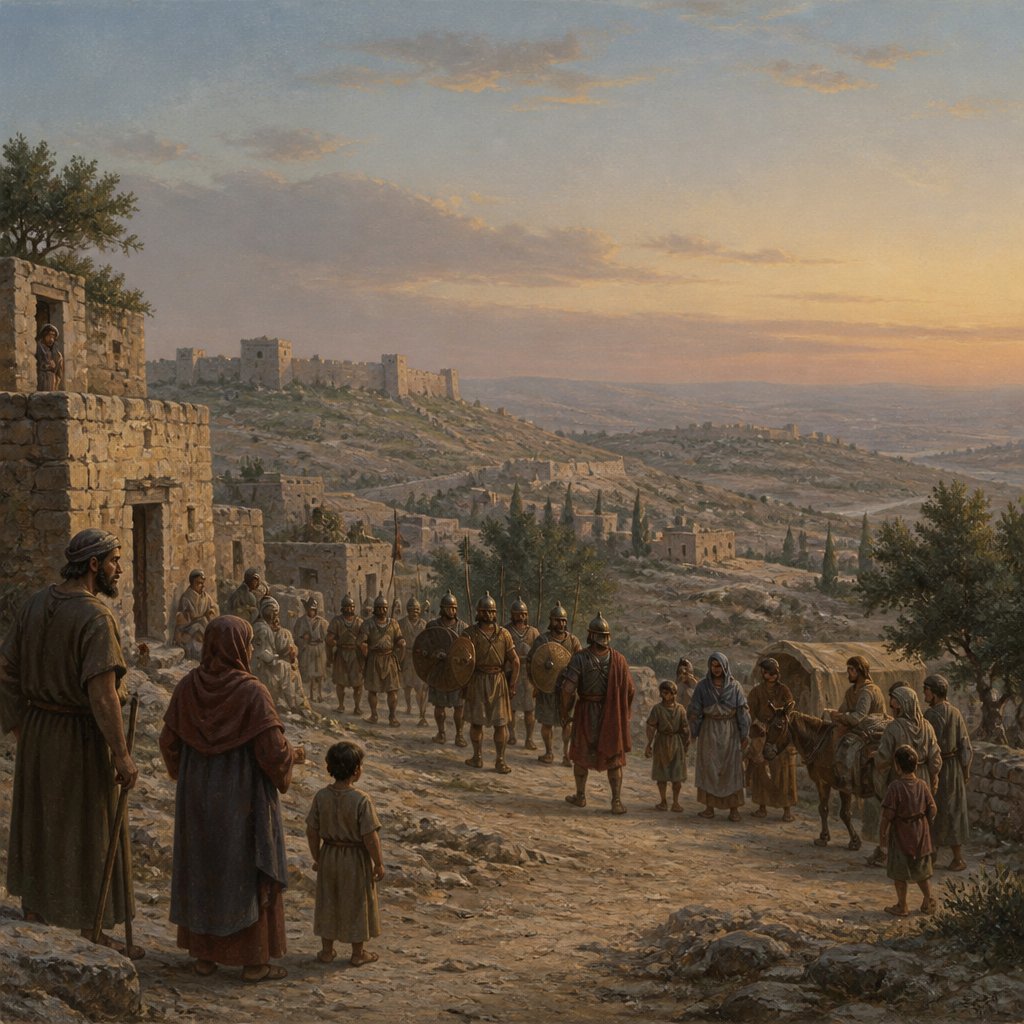
As we read 2 Chronicles 28:18, "The Philistines also had invaded the cities of the low country, and of the south of Judah, and had taken Beth-shemesh, and Ajalon, and Gederoth, and Shocho with the villages thereof, and Timnah with the villages thereof, Gimzo also and the villages thereof: and they dwelt there," we are confronted with a narrative of invasion, loss, and spiritual implications.
The context of this scripture occurs during the reign of Ahaz, king of Judah, who was faced with great trials and the consequences of his unfaithfulness to God. The Philistines, ancient enemies of Israel, seized the weakened defenses of Judah. They invaded cities, occupied lands, and spread devastation across the low country—the very heart of God’s promise to His people.
This invasion can serve as a metaphor for the many forms of spiritual incursions that can invade our lives. Just as the Philistines took advantage of the vulnerabilities of Judah, so too do negative influences, sin, and worldly distractions attempt to invade our spiritual lives. Let us reflect on how our own spiritual lowlands might be susceptible to invasion. What are the cities of our hearts that we have neglected? What areas of our lives lay vulnerable, unprotected from the Philistines of temptation, doubt, and despair?
The names mentioned in this verse—Beth-shemesh, Ajalon, Gederoth, Shocho, Timnah, and Gimzo—represent not only places but also aspects of our spiritual journey. Beth-shemesh, meaning 'house of the sun,' calls to question whether our lives reflect the light of Christ amidst invading darkness. Similarly, Ajalon, associated with the meaning 'place of deer', might remind us of the times we appear vulnerable or hunted in our spiritual walk. Each name draws us deeper into contemplation about our personal battles, reminding us to assess not only our physical environment but our emotional and spiritual states.
The fact that the Philistines "dwelt there" indicates a permanence to their invasion. When temptation or sin finds a foothold, it can settle in and establish itself, leading to complacency and apathy. We may allow distractions—be they from media, relationships, or personal pursuits—to invade our time and pull us away from our dedication to Christ. Have we allowed these influences to dwell in our lives without resistance?
In wrestling against these invaders, we can find hope and strength in recognizing that God is ever ready to reclaim those territories of our heart if we invite Him back in. He does not abandon us to the chaos of life’s invasions. The returning king, Solomon, whom God established as a man after His own heart, reminds us of the promise that repentance and turning back to God brings restoration. God constantly extends an invitation for us to engage in spiritual warfare, to don the full armor of God as Paul instructs in Ephesians 6:11.
The Philistines in our life may take many forms: doubt, fear, physical illness, relational strife, and spiritual apathy. We must exercise vigilance, ensuring we are never complacent in our faith. Scripture encourages us that our struggles are not against flesh and blood but against spiritual forces that wish to rob us of our peace and purpose (Ephesians 6:12).
As we meditate on 2 Chronicles 28:18, let us take the time to pray for discernment over our spiritual cities. Let us ask God to reveal the areas vulnerable to invasion and grant us wisdom on how to reinforce these spaces with prayer, community, and the Word. And finally, let us draw strength from God’s promise to resist the enemy and fortify our souls, inviting the light of Christ to shine in every area of our lives so that the Philistines will not dwell within our hearts.
Want to reflect more on 2 Chronicles 28:18?
Continue your spiritual journey with Bible Chat — an AI-powered tool for exploring God's Word through conversation. Ask questions, discover connections, and deepen your understanding.
Get Our Apps


2 Chronicles 28:18 Artwork

2 Chronicles 28:18 - "The Philistines also had invaded the cities of the low country, and of the south of Judah, and had taken Beth-shemesh, and Ajalon, and Gederoth, and Shocho with the villages thereof, and Timnah with the villages thereof, Gimzo also and the villages thereof: and they dwelt there."
"The Philistines also had invaded the cities of the low country, and of the south of Judah, and had taken Beth-shemesh, and Ajalon, and Gederoth, and Shocho with the villages thereof, and Timnah with the villages thereof, Gimzo also and the villages thereof: and they dwelt there." - 2 Chronicles 28:18

2 Chronicles 18:28 - "So the king of Israel and Jehoshaphat the king of Judah went up to Ramoth-gilead."

"So the king of Israel and Jehoshaphat the king of Judah went up to Ramoth-gilead." - 2 Chronicles 18:28

2 Chronicles 28:3

2 Chronicles 20:28

2 Chronicles 28:2 - "For he walked in the ways of the kings of Israel, and made also molten images for Baalim."

1 Chronicles 28:18 - "And for the altar of incense refined gold by weight; and gold for the pattern of the chariot of the cherubims, that spread out their wings, and covered the ark of the covenant of the LORD."

2 Chronicles 18:9

2 Chronicles 20:18

2 Chronicles 18:9

2 Chronicles 20:28 - "And they came to Jerusalem with psalteries and harps and trumpets unto the house of the LORD."

2 Chronicles 9:28 - "And they brought unto Solomon horses out of Egypt, and out of all lands."

1 Chronicles 2:28 - "And the sons of Onam were, Shammai, and Jada. And the sons of Shammai; Nadab, and Abishur."

2 Chronicles 28:17 - "For again the Edomites had come and smitten Judah, and carried away captives."

2 Chronicles 28:14 - "So the armed men left the captives and the spoil before the princes and all the congregation."

2 Chronicles 28:16 - "¶ At that time did king Ahaz send unto the kings of Assyria to help him."

2 Chronicles 25:28 - "And they brought him upon horses, and buried him with his fathers in the city of Judah."

2 Chronicles 28:20 - "And Tilgath-pilneser king of Assyria came unto him, and distressed him, but strengthened him not."

2 Chronicles 28:22 - "¶ And in the time of his distress did he trespass yet more against the LORD: this is that king Ahaz."

2 Chronicles 28:4 - "He sacrificed also and burnt incense in the high places, and on the hills, and under every green tree."

2 Kings 23:28 - "Now the rest of the acts of Josiah, and all that he did, are they not written in the book of the chronicles of the kings of Judah?"

2 Chronicles 32:28 - "Storehouses also for the increase of corn, and wine, and oil; and stalls for all manner of beasts, and cotes for flocks."

2 Kings 14:18 - "And the rest of the acts of Amaziah, are they not written in the book of the chronicles of the kings of Judah?"

2 Chronicles 29:28 - "And all the congregation worshipped, and the singers sang, and the trumpeters sounded: and all this continued until the burnt offering was finished."

2 Chronicles 28:7 - "And Zichri, a mighty man of Ephraim, slew Maaseiah the king's son, and Azrikam the governor of the house, and Elkanah that was next to the king."

2 Chronicles 21:18 - "¶ And after all this the LORD smote him in his bowels with an incurable disease."

2 Chronicles 18:1 - "Now Jehoshaphat had riches and honour in abundance, and joined affinity with Ahab."

1 Chronicles 18:2 - "And he smote Moab; and the Moabites became David's servants, and brought gifts."

2 Chronicles 28:26 - "¶ Now the rest of his acts and of all his ways, first and last, behold, they are written in the book of the kings of Judah and Israel."