The Valley of Blessing: Discovering God's Faithfulness in Our Trials
"¶ And on the fourth day they assembled themselves in the valley of Berachah; for there they blessed the LORD: therefore the name of the same place was called, The valley of Berachah, unto this day." - 2 Chronicles 20:26
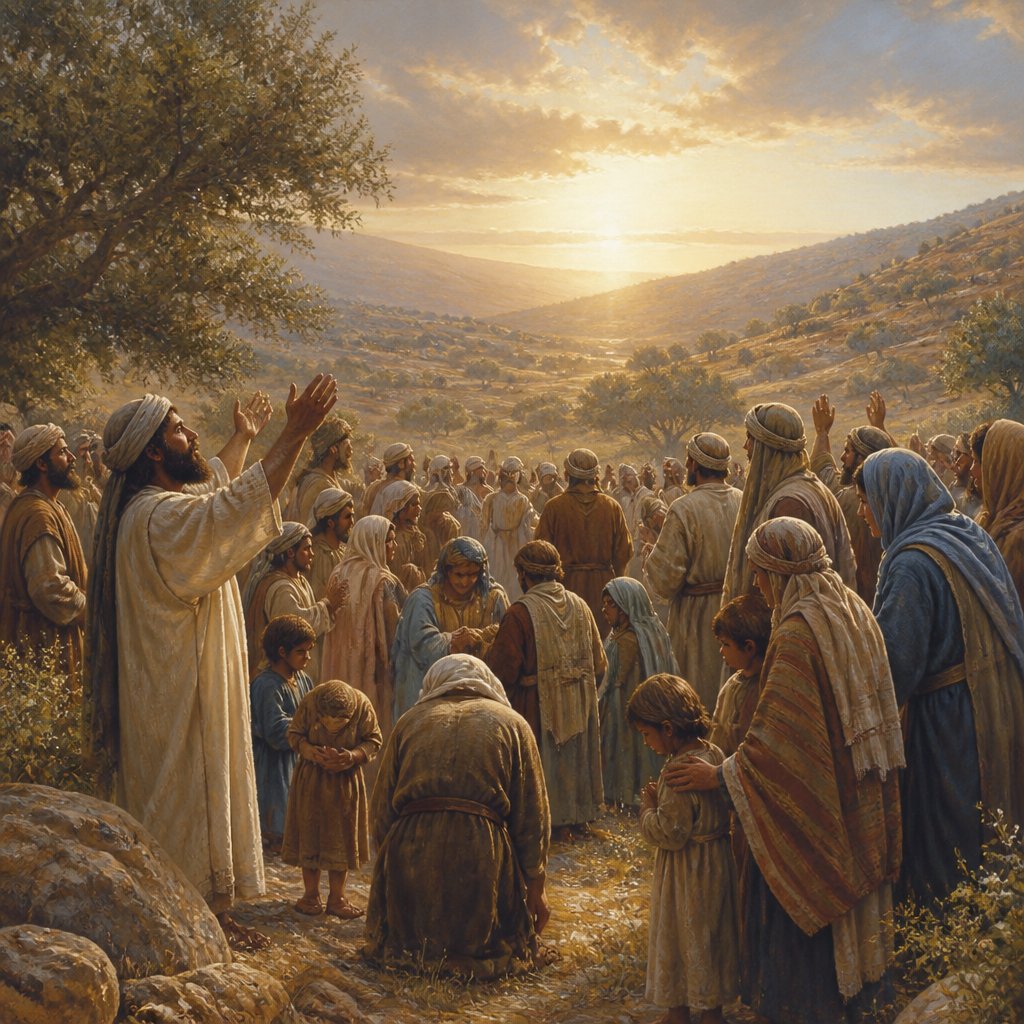
The narrative captured in 2 Chronicles 20 unfolds one of the most remarkable episodes of divine intervention in Israel's history. In this passage, King Jehoshaphat, upon confronting a formidable alliance of enemies, turned to God in earnest prayer and fasting. The monumental victory that followed—one achieved without raising a sword—stands as a testament to God’s sovereignty and His unwavering faithfulness to those who seek Him. However, it is on the fourth day, in the solemn assembly of believers, that we find an extraordinary revelation of blessing that is still applicable to our lives today.
The verse we focus on, 2 Chronicles 20:26, states: "And on the fourth day they assembled themselves in the valley of Berachah; for there they blessed the LORD: therefore the name of the same place was called, The valley of Berachah, unto this day" (KJV). Here, we juxtapose the weight of the past with the sweetness of blessings realized in the present.
### The Significance of the Fourth Day
The number four in biblical numerology often symbolizes the physical world and completeness: the four corners of the earth, the four seasons, and monuments of God’s creation. On the fourth day after their victory, the Israelites gathered in the valley of Berachah, which means 'blessing.' This gathering was not merely to commemorate a miraculous victory, but a profound moment to reflect on and acknowledge God’s goodness.
They chose to bless the Lord together, recognizing that their victory was not their own doing but the result of God’s immense mercy and power. How often do we find ourselves in valleys, surrounded by trials, and while we are granted victories, fail to take the time to acknowledge the One who delivered us?
### The Valley of Berachah: A Place of Assembly and Blessing
The valley of Berachah serves as a striking metaphor for our spiritual journeys. It is in those valleys—those low points in life—that we often find our greatest blessings. The valley is a reminder that life encompasses peaks and troughs. It is in the moments of despair that God’s faithfulness shines brightest. Just as these Israelites came together to bless the Lord, we too can convene, whether within a church community or among friends and family, to declare the greatness and dependability of God amid our crises.
Additionally, the gathering itself emphasizes communal worship and testimony. As they assembled, they shared stories of deliverance, praising God not only privately but as one body. We are encouraged in Hebrews 10:24-25 to not forsake assembling together, as it reminds us of God’s faithfulness and strengthens our resolve.
### Remembering to Bless the Lord
In our own personal valleys, it is easy to feel defeated or overwhelmed. Yet, this passage compels us to find reasons to bless the Lord, even when circumstances appear grim. It might feel counterintuitive to express gratitude in hardship, but there is tremendous power in acknowledging God’s past faithfulness as a reminder of His present and future providence.
When we take the time to bless the Lord—through prayer, worship, and testimony—we birth a spirit of gratitude and reorient our hearts towards hope. In those moments, our valley transforms; pain morphs into purpose, and trials become testimonies as we add our voices to the chorus singing praise in the midst of strife.
### Conclusion: Choosing to Bless
As followers of Christ, we may find ourselves in various valleys. Yet, like the Israelites, let us take a cue from their assembly of gratitude and remembrance. Let us bless the Lord in our valleys; let us declare His goodness not only in times of prosperity but also through adversity. In doing so, we too will find our own valleys of Berachah, places where we have chosen to worship, remember, and bless the God who faithfully walks with us through every trial. As you ponder this verse today, consider: How can you assemble your heart towards gratitude and begin to cultivate a space where blessings abound, even in your valleys?
Want to reflect more on 2 Chronicles 20:26?
Continue your spiritual journey with Bible Chat — an AI-powered tool for exploring God's Word through conversation. Ask questions, discover connections, and deepen your understanding.
Get Our Apps


2 Chronicles 20:26 Artwork

2 Chronicles 20:26 - "¶ And on the fourth day they assembled themselves in the valley of Berachah; for there they blessed the LORD: therefore the name of the same place was called, The valley of Berachah, unto this day."
"¶ And on the fourth day they assembled themselves in the valley of Berachah; for there they blessed the LORD: therefore the name of the same place was called, The valley of Berachah, unto this day." - 2 Chronicles 20:26

1 Chronicles 26:20 - "¶ And of the Levites, Ahijah was over the treasures of the house of God, and over the treasures of the dedicated things."

2 Chronicles 20:37

2 Chronicles 20:28
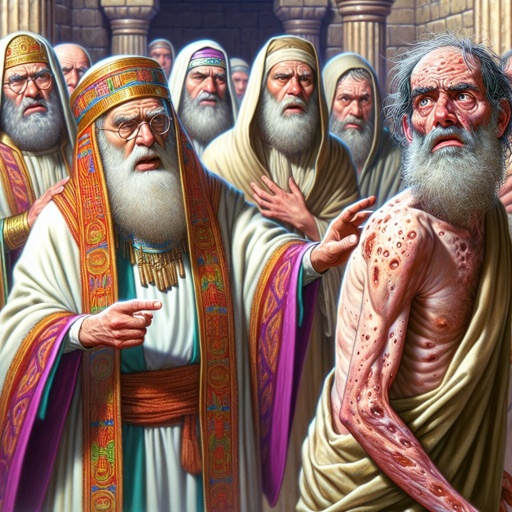
2 Chronicles 26:20 - "And Azariah the chief priest, and all the priests, looked upon him, and, behold, he was leprous in his forehead, and they thrust him out from thence; yea, himself hasted also to go out, because the LORD had smitten him."

2 Chronicles 20:21

2 Chronicles 20:18

2 Chronicles 11:20

2 Chronicles 26:2 - "He built Eloth, and restored it to Judah, after that the king slept with his fathers."

2 Chronicles 29:26 - "And the Levites stood with the instruments of David, and the priests with the trumpets."

2 Samuel 20:26 - "And Ira also the Jairite was a chief ruler about David."

2 Chronicles 29:26 (KJVA) 26 And the Levites stood with the instruments of David, and the priests with the trumpets.

2 Chronicles 30:20 - "And the LORD hearkened to Hezekiah, and healed the people."

1 Chronicles 2:20 - "And Hur begat Uri, and Uri begat Bezaleel."

2 Chronicles 26:7 - "And God helped him against the Philistines, and against the Arabians that dwelt in Gurbaal, and the Mehunims."

2 Chronicles 35:26 - "Now the rest of the acts of Josiah, and his goodness, according to that which was written in the law of the LORD,"

2 Chronicles 24:26 - "And these are they that conspired against him; Zabad the son of Shimeath an Ammonitess, and Jehozabad the son of Shimrith a Moabitess."

2 Chronicles 20:28 - "And they came to Jerusalem with psalteries and harps and trumpets unto the house of the LORD."

1 Chronicles 26:2 - "And the sons of Meshelemiah were, Zechariah the firstborn, Jediael the second, Zebadiah the third, Jathniel the fourth,"

1 Chronicles 2:26 - "Jerahmeel had also another wife, whose name was Atarah; she was the mother of Onam."

2 Chronicles 25:26 - "Now the rest of the acts of Amaziah, first and last, behold, are they not written in the book of the kings of Judah and Israel?"

2 Chronicles 26:4 - "And he did that which was right in the sight of the LORD, according to all that his father Amaziah did."

2 Chronicles 26:17 - "And Azariah the priest went in after him, and with him fourscore priests of the LORD, that were valiant men:"

2 Chronicles 26:12 - "The whole number of the chief of the fathers of the mighty men of valour were two thousand and six hundred."

2 Chronicles 26:22 - "¶ Now the rest of the acts of Uzziah, first and last, did Isaiah the prophet, the son of Amoz, write."

2 Kings 15:26 - "And the rest of the acts of Pekahiah, and all that he did, behold, they are written in the book of the chronicles of the kings of Israel."

"¶ And of the Levites, Ahijah was over the treasures of the house of God, and over the treasures of the dedicated things." - 1 Chronicles 26:20

2 Chronicles 20:13 - "And all Judah stood before the LORD, with their little ones, their wives, and their children."

2 Chronicles 30:26 - "So there was great joy in Jerusalem: for since the time of Solomon the son of David king of Israel there was not the like in Jerusalem."