Shechem: The Place of Decision
"And Rehoboam went to Shechem: for to Shechem were all Israel come to make him king." - 2 Chronicles 10:1
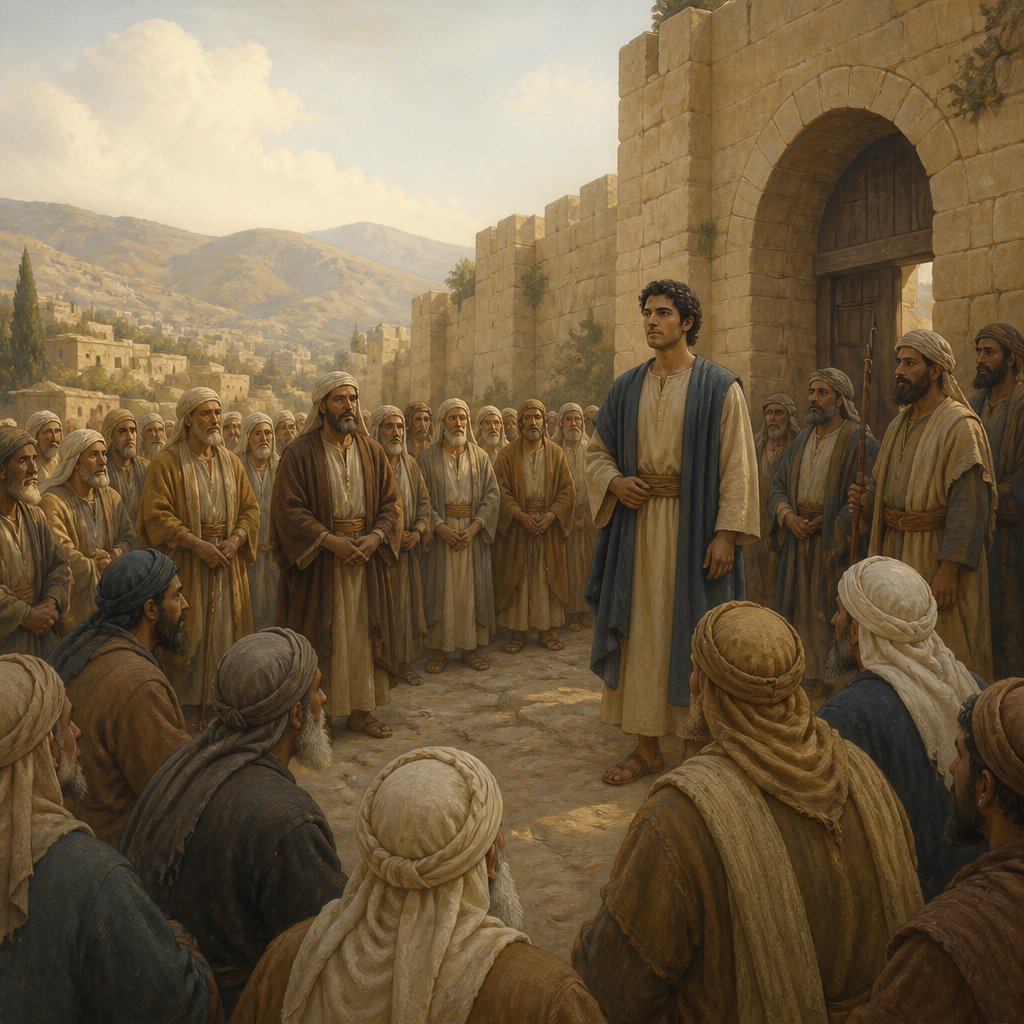
The momentous occasion captured in 2 Chronicles 10:1 marks a significant turning point in the history of Israel, where Rehoboam, son of Solomon, embarks on a journey to Shechem even as the people gather to anoint him as their king. The verse states, "And Rehoboam went to Shechem: for to Shechem were all Israel come to make him king." This single line is laden with profound implications about leadership, wisdom, and the weight of authority in both ancient and modern contexts.
Shechem, a location rich in biblical history, was the site where Abraham received God's promise, where Jacob buried the idols of his household, and where Joshua made a covenant with the Israelites. It is a place of allegiance and commitment, echoing the foundational values of the nation of Israel. As Rehoboam approached Shechem, one can almost imagine the air thick with expectation, mingled with echoes of a heritage steeped in divine mandate. Yet, this setting also serves as a reminder that significant leadership decisions transcend mere geographical location—they engage the very heart and spirit of the community.
As we reflect on Rehoboam's approach to Shechem, we become aware of the pivotal moment that awaits him. Leadership invites a unique set of challenges, particularly in a society marked by discord and expectation. The assembly of Israel at Shechem indicates a collective need for direction and assurance. Rehoboam's leadership would not merely be a matter of inheritance; it was to be a demonstration of character, strength, and wisdom. The decisions he would make in this pivotal moment would echo through generations, shaping the very fate of Israel.
In our own lives, we too find ourselves standing at similar crossroads. The decisions we make, informed by our character and wisdom, will resonate through our relationships, workplaces, and communities. As believers, we often look for God’s guidance in these moments, and rightly so. We are called to examine our hearts, motives, and desires, ensuring they align with God's will. Just as Rehoboam was to receive the counsel of the people, we, too, can seek wisdom from trusted friends, mentors, and ultimately, from our prayerful conversations with God.
Rehoboam had a choice: to listen to the wise counsel of seasoned advisors who had served his father or to heed the voices of his peers, who preferred a harsher rule. At Shechem, the tension between wisdom and folly was palpable. Wisdom often requires humility, a willingness to submit one's own ambitions and desires for the greater good of those one leads. As we navigate the complexities of our decisions, we must remember that true leadership is not about exerting control but about fostering trust and empowerment.
The response of the Israelites at Shechem serves as a backdrop for understanding the nature of their allegiance. They sought a king who would serve their interests. Therefore, we must ask ourselves—who do we serve? Is it the expectations of those around us, our own ambitions, or do we strive to honor God in our decisions? God calls us not only to lead but also to serve. He invites us to make decisions rooted in service to others, just as Christ demonstrated during His earthly ministry.
As you reflect on the journey that Rehoboam embarked upon, ask yourself: What decisions are you facing today that require wisdom? Are there voices around you urging you toward a particular choice? Have you taken the time to seek God's counsel, understanding that leadership is shaped not just by the power we wield but by the service we render? As we kneel at our own Shechem moments, may we seek the heart of God—wisdom and understanding—as we choose to lead with grace and intentional love.
Let us pray: Lord, help us to approach our own decisions with humility and a desire to serve others. May we listen for Your voice amidst the clamor of opinions and expectations, and may our choices reflect Your will for our lives. In Jesus’ name, Amen.
Want to reflect more on 2 Chronicles 10:1?
Continue your spiritual journey with Bible Chat — an AI-powered tool for exploring God's Word through conversation. Ask questions, discover connections, and deepen your understanding.
Get Our Apps


2 Chronicles 10:1 Artwork

2 Chronicles 10:1 - "And Rehoboam went to Shechem: for to Shechem were all Israel come to make him king."
"And Rehoboam went to Shechem: for to Shechem were all Israel come to make him king." - 2 Chronicles 10:1

1 Chronicles 2:10 - "And Ram begat Amminadab; and Amminadab begat Nahshon, prince of the children of Judah;"

1 Chronicles 10:1 - "Now the Philistines fought against Israel; and the men of Israel fled from before the Philistines, and fell down slain in mount Gilboa."

1 Chronicles 10:2 - "And the Philistines followed hard after Saul, and after his sons; and the Philistines slew Jonathan, and Abinadab, and Malchi-shua, the sons of Saul."

2 Chronicles 23:10

2 Chronicles 23:10

2 Chronicles 30:10

2 Chronicles 35:10

2 Chronicles 1:10 - "Give me now wisdom and knowledge, that I may go out and come in before this people: for who can judge this thy people, that is so great?"

1 Chronicles 4 : 10

2 Chronicles 10:19 - "And Israel rebelled against the house of David unto this day."

1 Chronicles 10:10 - "And they put his armour in the house of their gods, and fastened his head in the temple of Dagon."

1 Chronicles 9:10 - "¶ And of the priests; Jedaiah, and Jehoiarib, and Jachin,"

1 Chronicles 1:10 - "And Cush begat Nimrod: he began to be mighty upon the earth."

"And Ram begat Amminadab; and Amminadab begat Nahshon, prince of the children of Judah;" - 1 Chronicles 2:10

1 Chronicles 12:10 - "Mishmannah the fourth, Jeremiah the fifth,"

1 Chronicles 24:10 - "The seventh to Hakkoz, the eighth to Abijah,"

2 Chronicles 33:10 - "And the LORD spake to Manasseh, and to his people: but they would not hearken."

2 Chronicles 11:10 - "And Zorah, and Aijalon, and Hebron, which are in Judah and in Benjamin fenced cities."

2 Chronicles 10:13 - "And the king answered them roughly; and king Rehoboam forsook the counsel of the old men,"

2 Chronicles 10:5 - "And he said unto them, Come again unto me after three days. And the people departed."

2 Chronicles 10:17 - "But as for the children of Israel that dwelt in the cities of Judah, Rehoboam reigned over them."

2 Chronicles 10:3 - "And they sent and called him. So Jeroboam and all Israel came and spake to Rehoboam, saying,"

1 Chronicles 1:2 - "Kenan, Mahalaleel, Jered,"
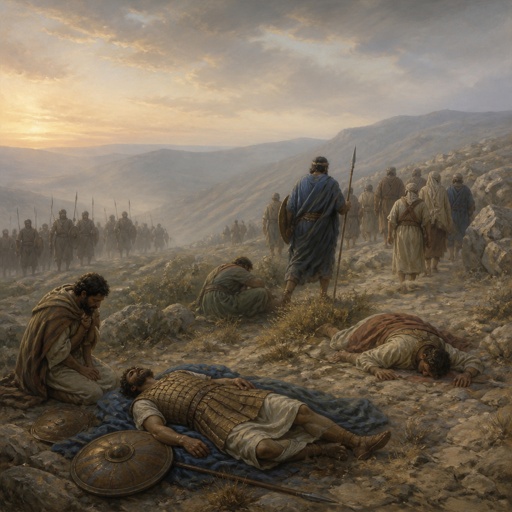
"Now the Philistines fought against Israel; and the men of Israel fled from before the Philistines, and fell down slain in mount Gilboa." - 1 Chronicles 10:1

2 Chronicles 4:10 - "And he set the sea on the right side of the east end, over against the south."

1 Chronicles 15:10 - "Of the sons of Uzziel; Amminadab the chief, and his brethren an hundred and twelve."

1 Chronicles 8:10 - "And Jeuz, and Shachia, and Mirma. These were his sons, heads of the fathers."

2 Chronicles 35:10 - "So the service was prepared, and the priests stood in their place, and the Levites in their courses, according to the king's commandment."