The Suffering Servants: Understanding Discipline and Redemption
"Of whom is Hymenaeus and Alexander; whom I have delivered unto Satan, that they may learn not to blaspheme." - 1 Timothy 1:20
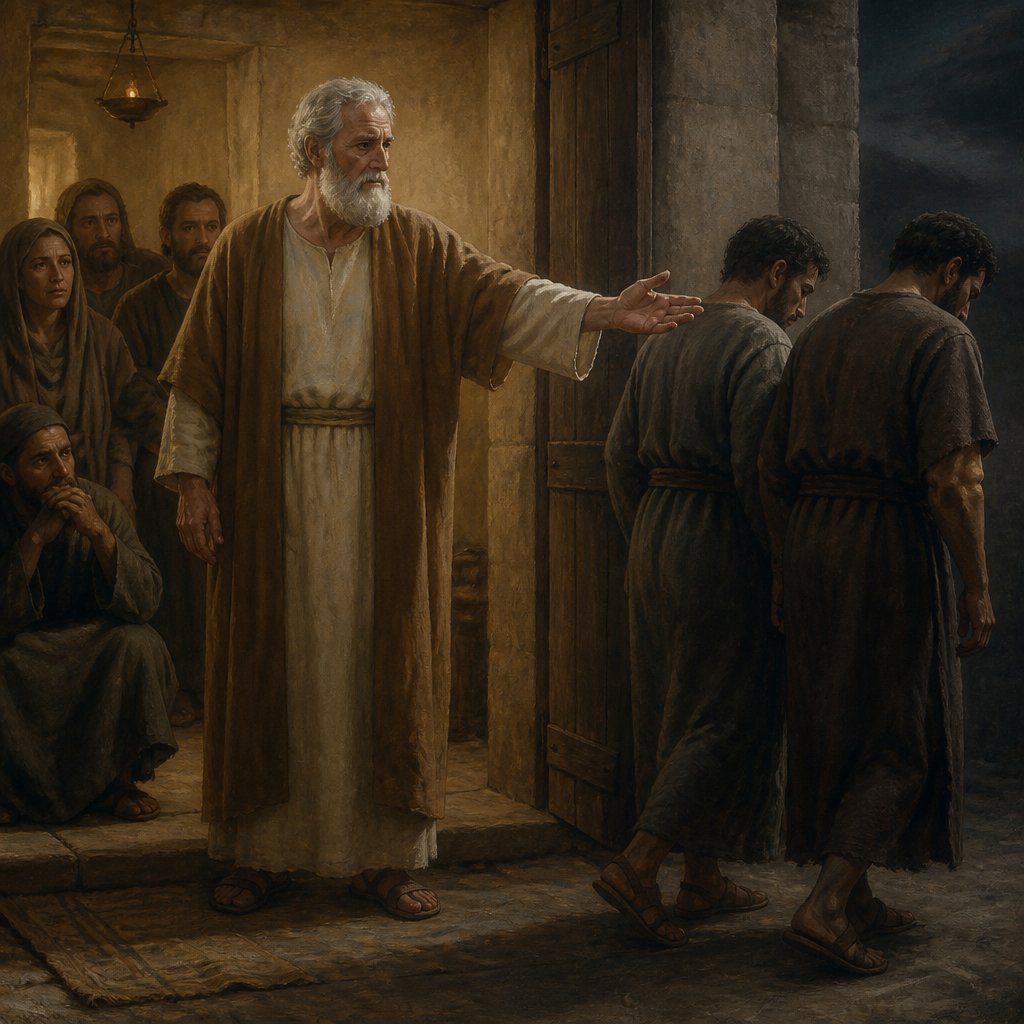
The Apostle Paul, in his letter to Timothy, presents a sobering yet profound narrative in 1 Timothy 1:20, where he mentions Hymenaeus and Alexander: "Of whom is Hymenaeus and Alexander; whom I have delivered unto Satan, that they may learn not to blaspheme." At first glance, this verse may seem harsh and difficult to comprehend, but it offers us deep insight into the nature of church discipline, the seriousness of sin, and the hope of redemption.
As we delve into the context of this scripture, it is essential to recognize who Hymenaeus and Alexander were. These men were once part of the Christian community, yet they deviated from the truth of the faith. Paul describes them as having blasphemed, meaning they spoke irreverently or disrespectfully about sacred things. This wasn't a simple theological disagreement; rather, it was a grave misrepresentation of the Gospel that could lead others astray.
When Paul says he delivered them unto Satan, it may evoke a sense of discomfort. The phrase implies an act of excommunication — allowing those who are persistently sinning and unrepentant to experience the consequences of their actions outside the protective umbrella of the church. This is not abandonment; it is, in fact, a tough love designed to bring about spiritual awakening and repentance.
Jesus spoke of the need to protect the integrity of the community of believers, and in Matthew 18:17, He instructs that one should treat the unrepentant sinner "as a heathen and a publican.” Similarly, Paul’s action was a necessary step in safeguarding the house of God from false teachings that threaten its very foundation. Paul’s intent was restorative, meant to bring Hymenaeus and Alexander to a point of reflection where they could "learn not to blaspheme."
The purpose of such a harsh measure is crucial for us to understand. It is rooted in the hope that, through suffering the consequences of their actions, the individuals may come to their senses. In 2 Corinthians 2:6-8, Paul later reiterates the importance of forgiveness and restoration within the community—after a period of discipline, the door to repentance is always open. For some, the path toward reconciliation with God often traverses through the valley of consequence and suffering.
Hymenaeus and Alexander's story illustrates the delicate balance within the church between grace and discipline. As believers, we often grapple with the concept of judgment — how to navigate the thin line between maintaining doctrinal purity and extending grace to those who stumble. Yet, Jesus exemplified that both can coexist. He approached sinners with love yet stood firm against falsehood and hypocrisy. In doing so, He sets the standard for how we should handle similar situations in our lives and in our fellowships.
As we reflect on this verse, let us consider our own lives. Are there areas where we may be straying into blasphemy, whether through our words, attitudes, or actions? Are there relationships within our church that require confronting sin with love? Paul’s admonition serves as a reminder that sin is not benign; it demands attention, not only for our sakes but for the sake of the whole body of Christ.
Let us pray for discernment in our own lives and among our fellow believers. Let us not shy away from difficult conversations when they are needed, always rooted in the spirit of restoration and mutual love. And above all, let us celebrate the grace that has been lavished upon us, knowing that even in discipline, God’s ultimate purpose is to redeem us and bring us back into the fold, transformed and renewed.
Remember, every action of discipline is driven by love. It may feel like a harsh reality, but it aligns with God’s fundamental desire for relationship, restoration, and right standing with Him.
Want to reflect more on 1 Timothy 1:20?
Continue your spiritual journey with Bible Chat — an AI-powered tool for exploring God's Word through conversation. Ask questions, discover connections, and deepen your understanding.
Get Our Apps


1 Timothy 1:20 Artwork

1 Timothy 1:20 - "Of whom is Hymenaeus and Alexander; whom I have delivered unto Satan, that they may learn not to blaspheme."
"Of whom is Hymenaeus and Alexander; whom I have delivered unto Satan, that they may learn not to blaspheme." - 1 Timothy 1:20

1 Timothy 6:20 - "O Timothy, keep that which is committed to thy trust, avoiding profane and vain babblings, and oppositions of science falsely so called:"

1 Timothy 5:20 - "Them that sin rebuke before all, that others also may fear."

1 Timothy 1:5

"Them that sin rebuke before all, that others also may fear." - 1 Timothy 5:20

"O Timothy, keep that which is committed to thy trust, avoiding profane and vain babblings, and oppositions of science falsely so called:" - 1 Timothy 6:20

1 Timothy 2:1-7

1 Timothy 2:1-7

1 Timothy 1:2 - "Unto Timothy, my own son in the faith: Grace, mercy, and peace, from God our Father and Jesus Christ our Lord."

1 Timothy 1:18 - "This charge I commit unto thee, son Timothy, according to the prophecies which went before on thee, that thou by them mightest war a good warfare;"

1 Timothy 4:15

1 Timothy 1:8 - "But we know that the law is good, if a man use it lawfully;"

2 Timothy 2:22

1 Timothy 5:1 - "Rebuke not an elder, but intreat him as a father; and the younger men as brethren;"

1 Timothy 1:11 - "According to the glorious gospel of the blessed God, which was committed to my trust."

2 Timothy 4 7

2 Timothy 2:15

1 Timothy 1:1 - "Paul, an apostle of Jesus Christ by the commandment of God our Saviour, and Lord Jesus Christ, which is our hope;"

2 Timothy 1:7

2 Timothy 1:7

2 Timothy 1:7

2 Timothy 1:7

1 Timothy 3:16

2 Timothy 1:7

2 Timothy 1:7

2 Timothy 1:7

2 Timothy 1:7

2 Timothy 1:7

2 Timothy 1:7