Crying Out for Deliverance: A Call to Collective Repentance
"Then Samuel said, Assemble all Israel to Mizpeh, and I will pray for you unto the Lord. And they gathered together to Mizpeh, and drew water, and poured it out before the Lord, and fasted on that day, and said there, We have sinned against the Lord. And Samuel judged the children of Israel in Mizpeh. And when the Philistines heard that the children of Israel were gathered together to Mizpeh, the lords of the Philistines went up against Israel. And when the children of Israel heard it, they were afraid of the Philistines. And the children of Israel said to Samuel, Cease not to cry unto the Lord our God for us, that he will save us out of the hand of the Philistines. And Samuel took a sucking lamb, and offered it for a burnt offering wholly unto the Lord: and Samuel cried unto the Lord for Israel; and the Lord heard him." - 1 Samuel 7:5-9

In 1 Samuel 7:5-9, we find a pivotal moment in the history of Israel. The people had wandered away from God's ways, succumbing to sin and suffering at the hands of their enemies—the Philistines. In the face of desperation, they turned to Samuel, the prophet and judge, seeking divine intervention. The verses say: "Then Samuel said, Assemble all Israel to Mizpeh, and I will pray for you unto the Lord. And they gathered together to Mizpeh, and drew water, and poured it out before the Lord, and fasted on that day, and said there, We have sinned against the Lord. And Samuel judged the children of Israel in Mizpeh. And when the Philistines heard that the children of Israel were gathered together to Mizpeh, the lords of the Philistines went up against Israel. And when the children of Israel heard it, they were afraid of the Philistines. And the children of Israel said to Samuel, Cease not to cry unto the Lord our God for us, that he will save us out of the hand of the Philistines. And Samuel took a sucking lamb, and offered it for a burnt offering wholly unto the Lord: and Samuel cried unto the Lord for Israel; and the Lord heard him."
This passage is rich with themes of repentance, communal worship, and the power of prayer. First, we note Samuel’s role as a spiritual leader who calls the nation to assemble before the Lord. In our personal and communal lives, how often do we feel the weight of our sins, the burden of our transgressions against God, and the need for collective acknowledgment and repentance? The psalmist reminds us in Psalm 51:17 that "the sacrifices of God are a broken spirit: a broken and contrite heart, O God, thou wilt not despise."
The act of gathering at Mizpeh symbolizes unity and the readiness of the people to confront their past failures. They come together not just to cry out for help but to collectively acknowledge their sinful nature. This is a powerful reminder that we do not walk alone. The Church today, the body of Christ, is called to gather in unity—especially during times of crisis—to seek God’s forgiveness and guidance. How vital is it for us to assemble for prayer, to draw toward the Lord together, acknowledging the issues we face not just as individuals, but as a collective body in need of His grace?
In their fear of the Philistines, the Israelites turn to Samuel with urgency, saying, "Cease not to cry unto the Lord our God for us." This cry encapsulates their desperation and highlights the importance of intercession. Samuel’s response to their request is not to offer mere words but to take action by providing a burnt offering. The sacrifice symbolizes atonement and submission to God’s will, as well as the seriousness with which we must approach our sin. In our prayers and calls for help, are we willing to sacrifice our desires and make offerings to God that demonstrate our earnestness?
Samuel’s prayer on behalf of the people reminds us that God hears our cries. The act of offering the lamb precedes God's response to Israel. The sacrifice was not merely a ritual; it was an earnest plea for the restoration of the relationship between the people and their God. When we earnestly cry out to the Lord, as Samuel did, we open the channels for His divine action in our lives.
The assurance that "the Lord heard him" reinforces one profound truth: God listens to the prayers offered in sincerity. As we reflect on this passage, we are invited to consider how we approach God—both individually and together. Do we approach with a contrite heart? Are we ready to gather, fast, and pray, desperate for His intervention in our lives and in the community around us?
As we conclude, let us remember that the power of prayer, repentance, and communal worship can lead us to a transformative encounter with God. In the face of our own Philistine battles—be they personal trials, communal issues, or national crises—let us not forget to assemble, seek forgiveness, and cry out unto the Lord with earnestness and faith, trusting that He will hear and respond.
Want to reflect more on 1 Samuel 7:5-9?
Continue your spiritual journey with Bible Chat — an AI-powered tool for exploring God's Word through conversation. Ask questions, discover connections, and deepen your understanding.
Get Our Apps


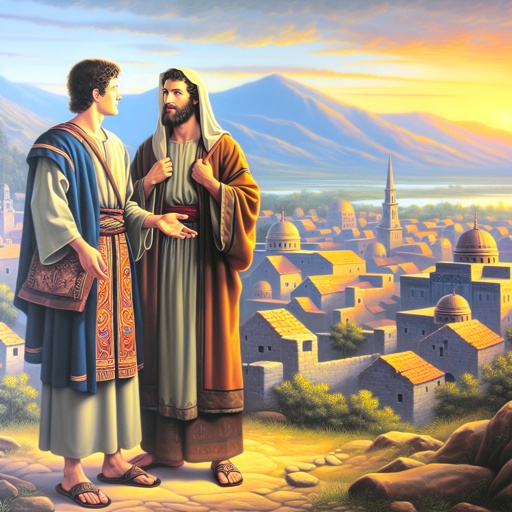
1 Samuel 7:5-9 Artwork

1 Samuel 7:5-9 - "Then Samuel said, "Assemble all Israel at Mizpah, and I will intercede with the LORD for you." When they had assembled at Mizpah, they drew water and poured it out before the LORD. On that day they fasted and there they confessed, "We have sinned against the LORD." Now Samuel was serving as leader of Israel at Mizpah. When the Philistines heard that Israel had assembled at Mizpah, the rulers of the Philistines came up to attack them. When the Israelites heard of it, they were afraid because of the Philistines. They said to Samuel, "Do not stop crying out to the LORD our God for us, that he may rescue us from the hand of the Philistines." Then Samuel took a suckling lamb and sacrificed it as a whole burnt offering to the LORD. He cried out to the LORD on Israel’s behalf, and the LORD answered him."

"Then Samuel said, "Assemble all Israel at Mizpah, and I will intercede with the LORD for you." When they had assembled at Mizpah, they drew water and poured it out before the LORD. On that day they fasted and there they confessed, "We have sinned against the LORD." Now Samuel was serving as leader of Israel at Mizpah. When the Philistines heard that Israel had assembled at Mizpah, the rulers of the Philistines came up to attack them. When the Israelites heard of it, they were afraid because of the Philistines. They said to Samuel, "Do not stop crying out to the LORD our God for us, that he may rescue us from the hand of the Philistines." Then Samuel took a suckling lamb and sacrificed it as a whole burnt offering to the LORD. He cried out to the LORD on Israel’s behalf, and the LORD answered him." - 1 Samuel 7:5-9

1 Samuel 7:5 - "And Samuel said, Gather all Israel to Mizpeh, and I will pray for you unto the LORD."

2 samuel 9:7 fhdhdhdhhd

"And Samuel said, Gather all Israel to Mizpeh, and I will pray for you unto the LORD." - 1 Samuel 7:5

1 Samuel 7:9 - "¶ And Samuel took a sucking lamb, and offered it for a burnt offering wholly unto the LORD: and Samuel cried unto the LORD for Israel; and the LORD heard him."

2 Samuel 7:5 - "Go and tell my servant David, Thus saith the LORD, Shalt thou build me an house for me to dwell in?"

1 Samuel 9:5 - "And when they were come to the land of Zuph, Saul said to his servant that was with him, Come, and let us return; lest my father leave caring for the asses, and take thought for us."

1 Samuel 9:7 - "Then said Saul to his servant, But, behold, if we go, what shall we bring the man? for the bread is spent in our vessels, and there is not a present to bring to the man of God: what have we?"

1 Samuel 5:7 - "And when the men of Ashdod saw that it was so, they said, The ark of the God of Israel shall not abide with us: for his hand is sore upon us, and upon Dagon our god."

1 Samuel 5:9 - "And it was so, that, after they had carried it about, the hand of the LORD was against the city with a very great destruction: and he smote the men of the city, both small and great, and they had emerods in their secret parts."

2 Samuel 5:7 - "Nevertheless David took the strong hold of Zion: the same is the city of David."

"¶ And Samuel took a sucking lamb, and offered it for a burnt offering wholly unto the LORD: and Samuel cried unto the LORD for Israel; and the LORD heard him." - 1 Samuel 7:9

1 Samuel 7:15 - "And Samuel judged Israel all the days of his life."
1 Samuel 9:1-2

1 Samuel 9:15 - "¶ Now the LORD had told Samuel in his ear a day before Saul came, saying,"

2 Samuel 7:1–29

1 Samuel 14:7

1 Samuel 28:7

1 Samuel 8:7

2 Samuel 9:5 - "¶ Then king David sent, and fetched him out of the house of Machir, the son of Ammiel, from Lo-debar."

1 Samuel 9:25 - "¶ And when they were come down from the high place into the city, Samuel communed with Saul upon the top of the house."

1 Samuel 9:18 - "Then Saul drew near to Samuel in the gate, and said, Tell me, I pray thee, where the seer's house is."

1 Samuel 18:9 - "And Saul eyed David from that day and forward."

2 Samuel 5:9 - "So David dwelt in the fort, and called it the city of David. And David built round about from Millo and inward."

1 Samuel 5: 3-4

1 Samuel 3:7 - "Now Samuel did not yet know the LORD, neither was the word of the LORD yet revealed unto him."

1 Samuel 15:5 - "And Saul came to a city of Amalek, and laid wait in the valley."

1 Samuel 5:1 - "And the Philistines took the ark of God, and brought it from Eben-ezer unto Ashdod."

1 Peter 5:7