Returning to Ramah: The Altar of Our Lives
"And his return was to Ramah; for there was his house; and there he judged Israel; and there he built an altar unto the LORD." - 1 Samuel 7:17
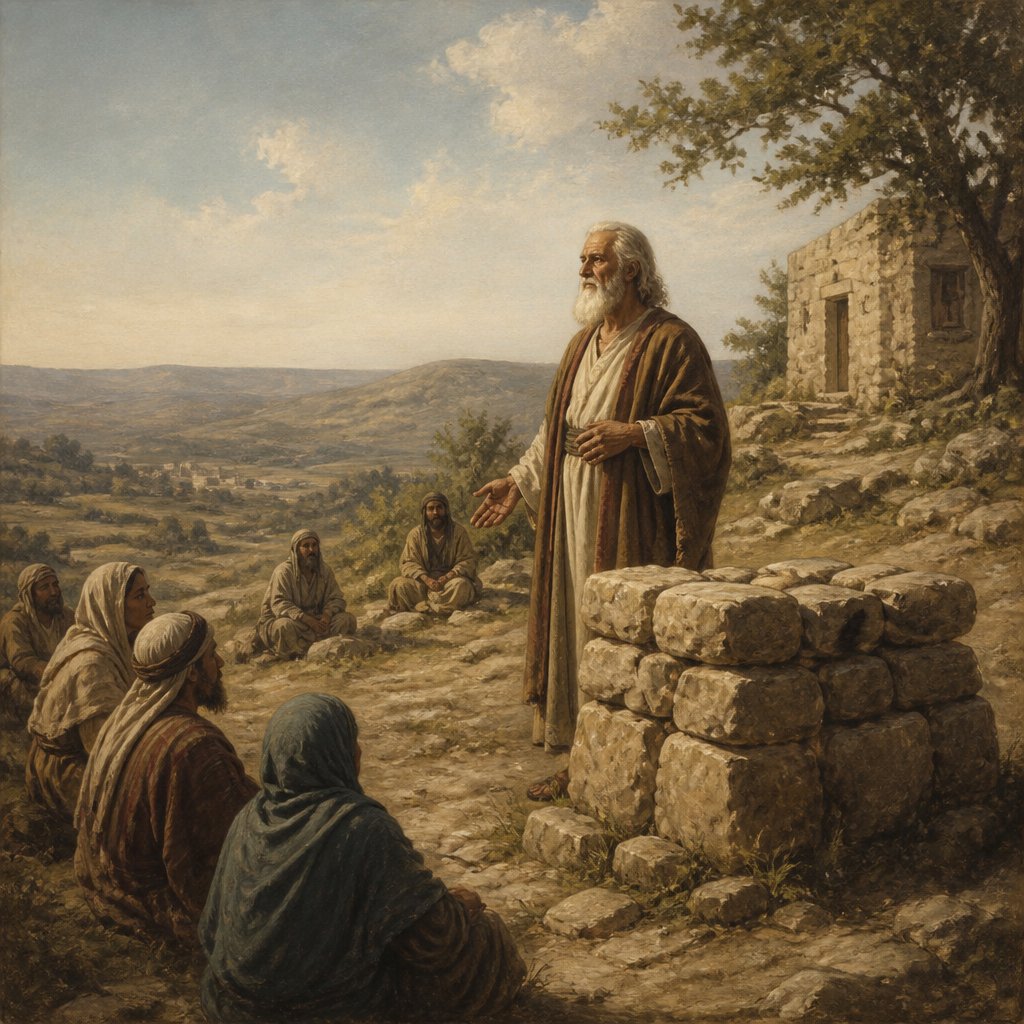
In the journey of life, there are pivotal moments when we must return to our foundations, to those places that remind us of our calling and purpose. 1 Samuel 7:17 offers a profound glimpse into the life of the prophet Samuel: “And his return was to Ramah; for there was his house; and there he judged Israel; and there he built an altar unto the LORD.” This verse invites us to explore not only the physical return of Samuel to Ramah but also the deeper implications of his actions—and how they speak to our lives today.
Ramah was not just a geographical location for Samuel; it was a place steeped in memory and purpose. It was the home of his formative years, where he had experienced the presence of God and the call to serve his people. When we reflect on our own lives, we too have 'Ramahs'—places, experiences, or moments that define us and remind us of who we are called to be. In a world that often encourages us to stray from our roots, returning can be a powerful act of worship and recognition of God's purpose.
Samuel's return signifies a recommitment to his role as a leader and judge over Israel. As he entered Ramah, he took up the mantle that God had placed upon him, a reminder of our duty to embrace the callings and responsibilities bestowed upon us. There is something deeply reassuring about having a place to call home, a sacred space where we can retreat to seek clarity, guidance, and rejuvenation. Are we making the time to return to our spiritual homes—to those moments of prayer, worship, and reflection that anchor us in faith?
Moreover, Samuel’s decision to build an altar unto the LORD is particularly significant. An altar represents a sacred space for sacrifice, worship, and communion with God. In the Old Testament context, altars were places where individuals would come to offer sacrifices for atonement, gratitude, and supplication. For Samuel, constructing an altar was an acknowledgment of God’s sovereignty, provision, and faithfulness over Israel. It was a public reestablishment of a covenant with God, displaying a commitment to leading the people in righteousness.
In our lives, building an altar can take many forms. It may manifest as a literal place of prayer in our homes, a time carved out of our busy schedules for quiet reflection, or even a ritual that centers our day around God. Each time we come before the Lord, we not only acknowledge His power in our lives but also invite His presence into our current circumstances. In the modern world, filled with distractions and chaos, the practice of establishing altars—figuratively speaking—can help us to remain grounded and focused on God’s purpose for us.
Samuel’s role as a judge is also worth noting. It signifies the responsibility we carry in our own lives to be wise leaders, both for ourselves and in our interactions with others. We are called to judge with righteousness, to discern what is good and just, upholding the moral fabric of our communities. As we visit our 'Ramahs' and build our altars, let us also remember the importance of our actions and how they reflect on our faith.
In conclusion, 1 Samuel 7:17 presents us with a powerful call to embrace our roots and reaffirm our commitments to God. As we return to our Ramahs, let us honor our altars—sacred spaces, both in our hearts and lives, where we meet with God. May we be inspired by Samuel’s example, acknowledging our identities in Christ, leading with integrity, and engaging in worship that honors the Lord. Let each return to our Ramah deepen our faith and restore our spirits, that we might continue to cultivate a life of purpose and devotion.
Want to reflect more on 1 Samuel 7:17?
Continue your spiritual journey with Bible Chat — an AI-powered tool for exploring God's Word through conversation. Ask questions, discover connections, and deepen your understanding.
Get Our Apps


1 Samuel 7:17 Artwork

1 Samuel 7:17 - "And his return was to Ramah; for there was his house; and there he judged Israel; and there he built an altar unto the LORD."
"And his return was to Ramah; for there was his house; and there he judged Israel; and there he built an altar unto the LORD." - 1 Samuel 7:17

2 Samuel 7:17 - "According to all these words, and according to all this vision, so did Nathan speak unto David."

1 Samuel 17:7 - "And the staff of his spear was like a weaver's beam; and his spear's head weighed six hundred shekels of iron: and one bearing a shield went before him."

1 Samuel 10:17 - "¶ And Samuel called the people together unto the LORD to Mizpeh;"

1 Samuel 17:33

1 Samuel 1:15-17

2 Samuel 17:7 - "And Hushai said unto Absalom, The counsel that Ahithophel hath given is not good at this time."

1 Samuel 17:34-35

1 Samuel 17:49

1 Samuel 17:45

1 Samuel 17:49

1 Samuel 17:45

1 samuel 17:3

1 Samuel 17:49

1 Samuel 17:45
1 Samuel 17:49

1 Samuel 7:15 - "And Samuel judged Israel all the days of his life."

2 Samuel 1. 17-27

1 Samuel 17:38-40

1 Samuel 17:14 - "And David was the youngest: and the three eldest followed Saul."

1 Samuel 17:45-49

2 Samuel 7:1–29

"According to all these words, and according to all this vision, so did Nathan speak unto David." - 2 Samuel 7:17

1 Samuel 14:7

1 Samuel 28:7

1 Samuel 8:7

1 Samuel 17:56 - "And the king said, Enquire thou whose son the stripling is."

1 Samuel 7:5 - "And Samuel said, Gather all Israel to Mizpeh, and I will pray for you unto the LORD."

1 Samuel 9:17 - "And when Samuel saw Saul, the LORD said unto him, Behold the man whom I spake to thee of! this same shall reign over my people."