The Place of Haunting: Finding God in Our Haunts
"And to them which were in Hebron, and to all the places where David himself and his men were wont to haunt." - 1 Samuel 30:31
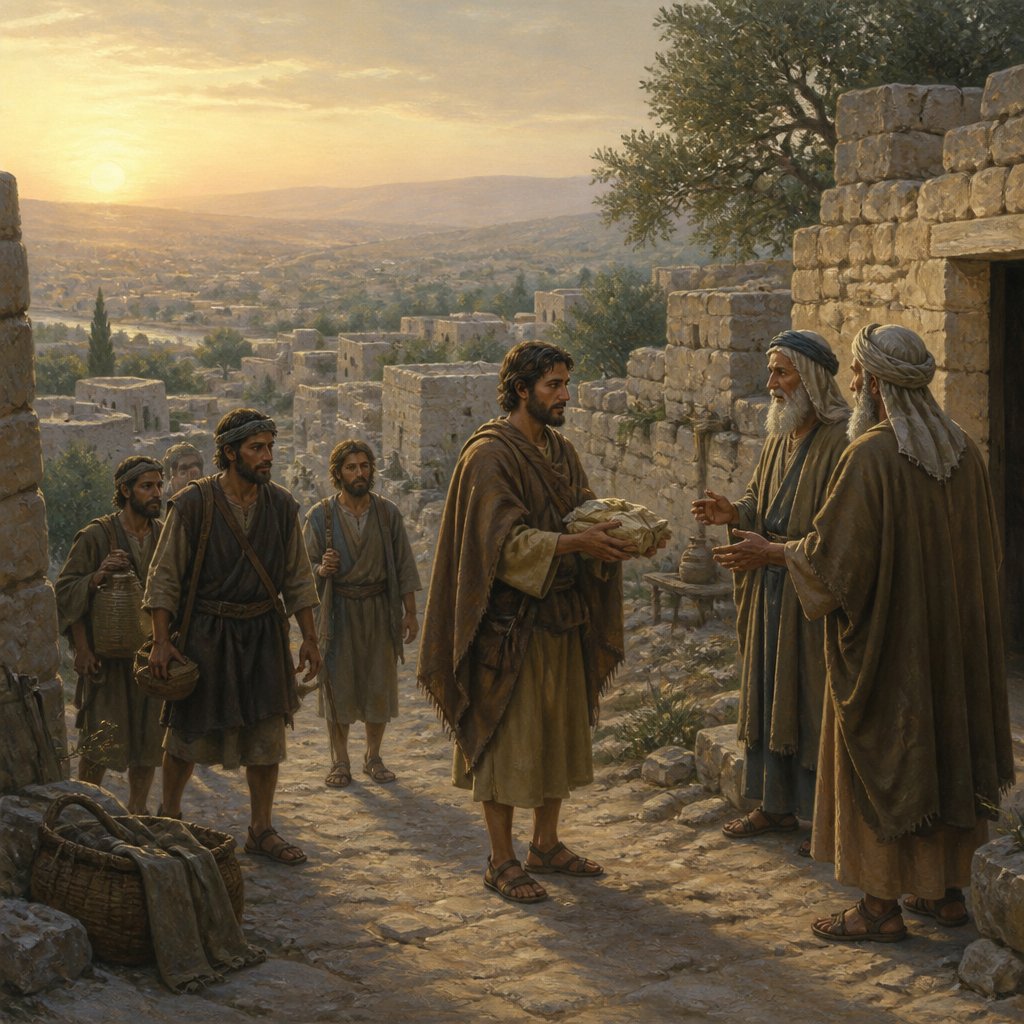
In the Bible, we are often reminded that places carry memories and meanings. Just as our physical location can affect our emotions and spiritual experiences, the locations where we have encountered God can profoundly influence our understanding of His character and grace. A poignant reference occurs in 1 Samuel 30:31, where it states, "And to them which were in Hebron, and to all the places where David himself and his men were wont to haunt." This verse invites us to explore the significance of the places we frequent spiritually and physically — our hauntings, if you will.
David's haunts were not merely geographical markers on a map but representations of his journey, struggles, and victories as he sought God amidst turmoil and uncertainty. Hebron, in particular, is a land filled with rich biblical history. It was the site where Abraham built an altar to the Lord and the place of David's anointing as king over Judah. Thus, it holds profound significance not only for David but also for the people who lived there and honored God.
When we consider our own lives, there are places that stand out in our spiritual journey — the church where we found faith, the park where we prayed earnestly during difficult times, or even our homes filled with the laughter and tears of faith conversations. Each of these locations holds stories of intimacy with God, reminding us of His faithfulness. It compels us to reflect on where we have been, both physically and spiritually, and how those experiences shape our relationship with God.
David's life was defined by tumult, from fleeing Saul’s fury to the distress of losing his loved ones. However, in every season of struggle, he sought refuge in his "haunts," the places that served as his spiritual anchor. The psalms David penned during these times, often born from these very haunts, resonate with pain, sorrow, and ultimately, hope. When we take refuge in God, we find Him anew in different seasons and places, experiencing the depths of His comfort and guidance.
Moreover, this verse reminds us about the importance of community in our journey. David sent messages to the inhabitants of Hebron and beyond, reflecting his desire to connect with those who recognized his struggles and his leadership. The blessing bestowed upon us by our community in Christ cannot be underestimated. As we gather in places which feel like our ‘haunts’, we share in worship, fellowship, and support, offering encouragement just as David did. Let us remember to extend the love and grace we receive, ensuring it multiplies within our circles, churches, and towns.
As we ponder the places we frequent in life, we must also ask ourselves — what are we doing in those haunts? Are those places only reminders of past events, or do they serve as launching points for our spiritual growth? When we return to sites of our former struggles or victories, we must invite God into those memories. When we do so wholeheartedly, we realize He is not just a distant observer of our past but an active participant in our present and future.
Ultimately, we learn that our haunts, like David’s, can lead to intercessions and a deeper understanding of God’s purpose for our lives. Let us approach our shrines of personal significance with fresh eyes, inviting the Lord into our memories to gain a renewed perspective on our lives.
In conclusion, may we recognize our haunts — both joyful and painful — and invite God into each moment, acknowledging His presence and leading us through every step of our journey. Just as David trusted God to work in and through his life, let us also trust that in our hauntings, God reveals His unwavering love, preparation for our futures, and the strength we need to move forward.
Want to reflect more on 1 Samuel 30:31?
Continue your spiritual journey with Bible Chat — an AI-powered tool for exploring God's Word through conversation. Ask questions, discover connections, and deepen your understanding.
Get Our Apps


1 Samuel 30:31 Artwork

1 Samuel 30:31 - "And to them which were in Hebron, and to all the places where David himself and his men were wont to haunt."
"And to them which were in Hebron, and to all the places where David himself and his men were wont to haunt." - 1 Samuel 30:31

Matthew 24:30-31

Matthew 24:30-31

Matthew 24:30-31

Matthew 24:30-31

Matthew 24:30-31

Matthew 24:30-31

Matthew 24:30-31

Matthew 24:30-31

Matthew 24:30-31

Matthew 24:30-31

1 Kings 11:30-31

1 Kings 11:30-31

1 Kings 11:30-31
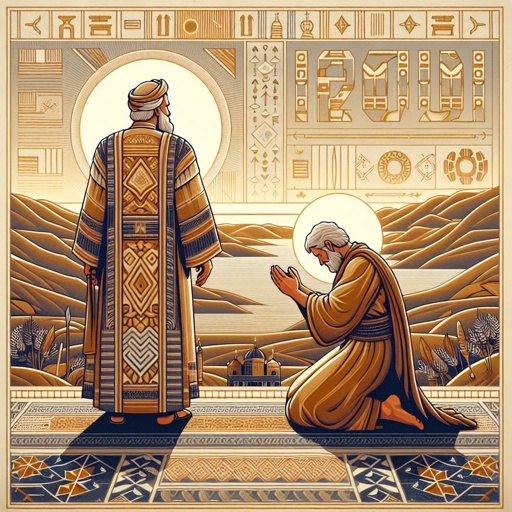
1 Samuel 15:31 - "So Samuel turned again after Saul; and Saul worshipped the LORD."

1.samuel 15:30

1 Samuel 30:18

1.samuel 15:30

1 Samuel 30:30 - "And to them which were in Hormah, and to them which were in Chorashan, and to them which were in Athach,"
1 Samuel 20:27-30

1 Samuel 31:11 - "¶ And when the inhabitants of Jabesh-gilead heard of that which the Philistines had done to Saul;"

1 Samuel 14:31 - "And they smote the Philistines that day from Michmash to Aijalon: and the people were very faint."

1 Samuel 31:13 - "And they took their bones, and buried them under a tree at Jabesh, and fasted seven days."

1 Samuel 31:3 - "And the battle went sore against Saul, and the archers hit him; and he was sore wounded of the archers."

1 Samuel 31:10 - "And they put his armour in the house of Ashtaroth: and they fastened his body to the wall of Beth-shan."

"So Samuel turned again after Saul; and Saul worshipped the LORD." - 1 Samuel 15:31

1 Samuel 31:6 - "So Saul died, and his three sons, and his armourbearer, and all his men, that same day together."

1 Corinthians 1:30-31 - "But of him are ye in Christ Jesus, who of God is made unto us wisdom, and righteousness, and sanctification, and redemption: That, according as it is written, He that glorieth, let him glory in the Lord."

1 Samuel 31:1 - "Now the Philistines fought against Israel: and the men of Israel fled from before the Philistines, and fell down slain in mount Gilboa."