Year by Year: The Weight of Longing and Faithfulness
"And as he did so year by year, when she went up to the house of the LORD, so she provoked her; therefore she wept, and did not eat." - 1 Samuel 1:7
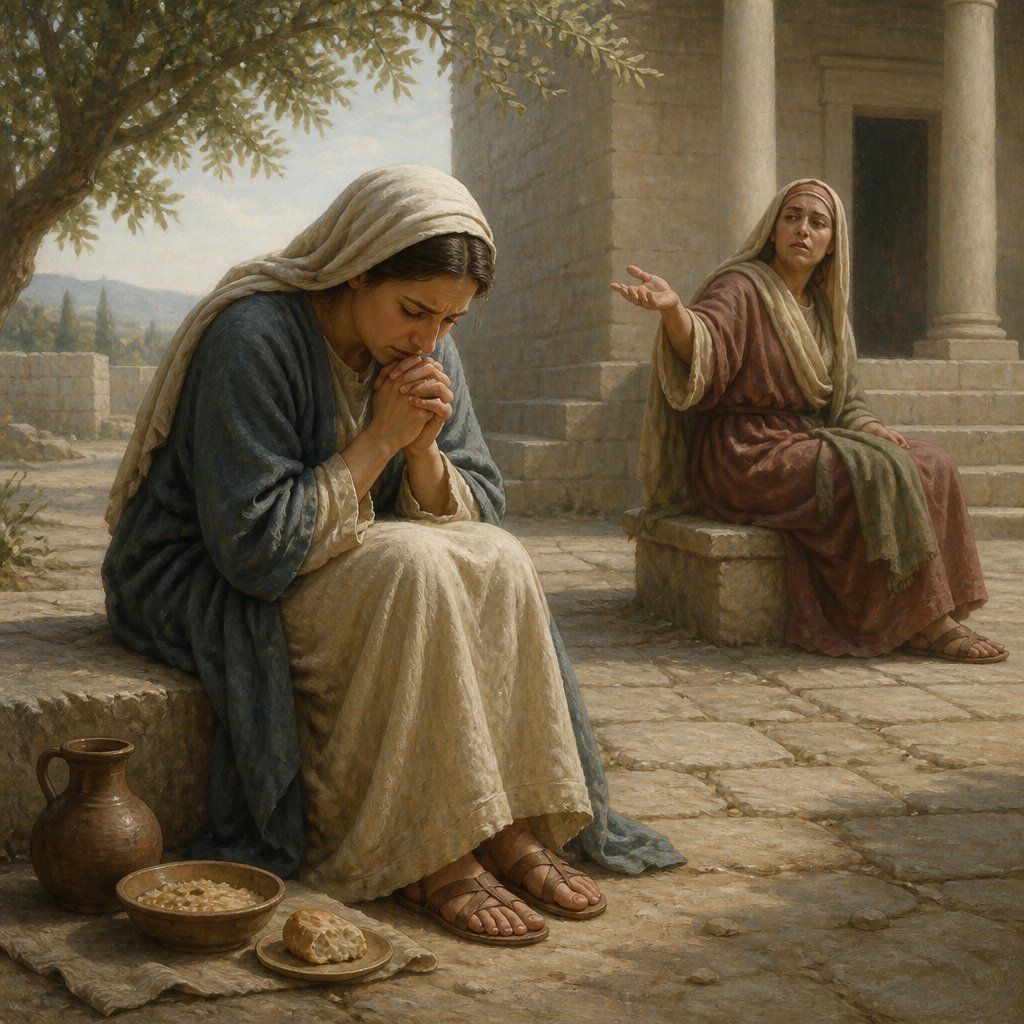
In the book of 1 Samuel 1:7, we encounter the poignant story of Hannah, a woman driven by deep desire and profound pain: "And as he did so year by year, when she went up to the house of the LORD, so she provoked her; therefore she wept, and did not eat." This passage encapsulates not only Hannah's personal struggle but also the essence of human longing, the challenge of faith, and the journey towards God's promises.
The context reveals that Hannah was barren, a source of great sorrow and grief in her life. Each year, she and her husband, Elkanah, would make the pilgrimage to Shiloh to worship, where sacrifices were made to the Lord. But for Hannah, that journey was marked by something extraordinary—year after year, she confronted her unmet desire for a child amid the taunts of Peninnah, her husband's other wife. The KJV refers to this dynamic when it says, "so she provoked her;" indicating a relentless intention to bring Hannah’s desolation to the forefront.
Year by year, Hannah experienced not only the physical pain of barrenness but also the emotional torment of being mocked. In a culture where motherhood was highly honored, her inability to conceive made her deeply vulnerable. This reality resonates with many of us who know the ache of unrealized dreams or who struggle against external pressures that amplify our insecurities. Hannah’s response—"therefore she wept, and did not eat"—highlights how burdens can overwhelm us, leading to sorrowful seasons when we feel alone and forsaken.
The beauty of this narrative is that Hannah's pain eventually became her platform for personal transformation. Instead of allowing Peninnah's provocation to shatter her spirit wholly, she chose to carry her burden to the Lord. This is a critical lesson for us: God invites us to bring our deepest wounds to Him. In the depths of her despair, Hannah found herself at the altar, longing for a breakthrough. Each tear that streamed down her face was an echo of fervent prayer as she poured out her grief before the Lord.
Hannah’s story encourages us to persevere in faith despite what we may encounter on our journey. The yearly pilgrimage to Shiloh mirrors our own walk with God—there are seasons of waiting and hoping, of crying out to Him when life seems to yield little fruit. The repetition of her experience reminds us that spiritual growth often comes through persistence. Each return to the house of the Lord was not merely a physical journey but a spiritual one that deepened her resolve and commitment to pray boldly regarding her desire.
Moreover, Hannah’s struggle exemplifies a truth about how God operates. He does not always fulfill our desires in the time frame we anticipate. However, the waiting period is ripe with significance; it can cultivate patience, strength, and renewed dependence on the Lord. Sometimes, it is in the very act of waiting—in the moments of wrestling with God—that we find clarity regarding our purpose and identity. In this waiting, God prepares us for His plans, often leading us to transformative encounters that redefine our story and our faith.
As we reflect on Hannah's life, let us not shy away from our struggles, but rather embrace them as opportunities to draw closer to God. Let us weep when we need to weep, but ultimately turn our hearts towards the Lord, much like Hannah. There is an important lesson in Hannah’s story: that surrender is an integral part of faith. When we allow our pain to lead us to prayers of surrender, we open our hearts to receive God's blessings in unexpected ways.
Thus, as we journey through our own challenges—the longing, the confrontation with disappointment—let us remember that God sees our hearts. Like Hannah, let us bring our cries to the altar, trusting that the Lord hears our prayers and prepares us to receive beyond our expectations. May we learn to weep when we must, but may we also cultivate an unwavering faith that yearns for His presence and aligns with His purpose, just as Hannah did.
Want to reflect more on 1 Samuel 1:7?
Continue your spiritual journey with Bible Chat — an AI-powered tool for exploring God's Word through conversation. Ask questions, discover connections, and deepen your understanding.
Get Our Apps


1 Samuel 1:7 Artwork
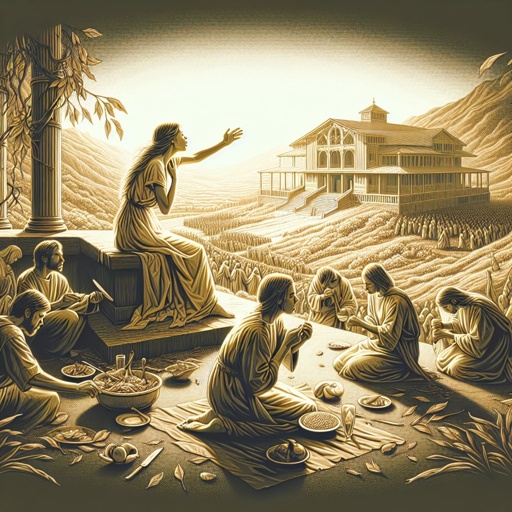
1 Samuel 1:7 - "And as he did so year by year, when she went up to the house of the LORD, so she provoked her; therefore she wept, and did not eat."
"And as he did so year by year, when she went up to the house of the LORD, so she provoked her; therefore she wept, and did not eat." - 1 Samuel 1:7

2 Samuel 7:1–29

1 Samuel 7:15 - "And Samuel judged Israel all the days of his life."

2 samuel 9:7 fhdhdhdhhd

1 Samuel 14:7

1 Samuel 28:7

1 Samuel 8:7

1 Samuel 7:5 - "And Samuel said, Gather all Israel to Mizpeh, and I will pray for you unto the LORD."

1 Samuel 3:7 - "Now Samuel did not yet know the LORD, neither was the word of the LORD yet revealed unto him."

1 Samuel 7:9 - "¶ And Samuel took a sucking lamb, and offered it for a burnt offering wholly unto the LORD: and Samuel cried unto the LORD for Israel; and the LORD heard him."

1 Samuel 7:13 - "¶ So the Philistines were subdued, and they came no more into the coast of Israel: and the hand of the LORD was against the Philistines all the days of Samuel."

1 Samuel 29:7 - "Wherefore now return, and go in peace, that thou displease not the lords of the Philistines."

1 Samuel 27:7 - "And the time that David dwelt in the country of the Philistines was a full year and four months."

1 Samuel 7:8 - "And the children of Israel said to Samuel, Cease not to cry unto the LORD our God for us, that he will save us out of the hand of the Philistines."

1 Samuel 7:12 - "Then Samuel took a stone, and set it between Mizpeh and Shen, and called the name of it Eben-ezer, saying, Hitherto hath the LORD helped us."

1 Samuel 2:7 - "The LORD maketh poor, and maketh rich: he bringeth low, and lifteth up."

1 Samuel 7:4 - "Then the children of Israel did put away Baalim and Ashtaroth, and served the LORD only."

"And Samuel judged Israel all the days of his life." - 1 Samuel 7:15

1 Samuel 7:1 - "And the men of Kirjath-jearim came, and fetched up the ark of the LORD, and brought it into the house of Abinadab in the hill, and sanctified Eleazar his son to keep the ark of the LORD."

1 Samuel 15:7 - "And Saul smote the Amalekites from Havilah until thou comest to Shur, that is over against Egypt."

From the day that the ark was lodged at Kiriath-jearim, a long time passed, some twenty years -- 1 Samuel 7:1

1 Samuel 10:7 - "And let it be, when these signs are come unto thee, that thou do as occasion serve thee; for God is with thee."

1 Samuel 7:17 - "And his return was to Ramah; for there was his house; and there he judged Israel; and there he built an altar unto the LORD."

1 Samuel 7:6 - "And they gathered together to Mizpeh, and drew water, and poured it out before the LORD, and fasted on that day, and said there, We have sinned against the LORD. And Samuel judged the children of Israel in Mizpeh."

1 Samuel 18:7 - "And the women answered one another as they played, and said, Saul hath slain his thousands, and David his ten thousands."

1 Samuel 8:7 - "And the LORD said unto Samuel, Hearken unto the voice of the people in all that they say unto thee: for they have not rejected thee, but they have rejected me, that I should not reign over them."

1 Samuel 7:11 - "And the men of Israel went out of Mizpeh, and pursued the Philistines, and smote them, until they came under Beth-car."
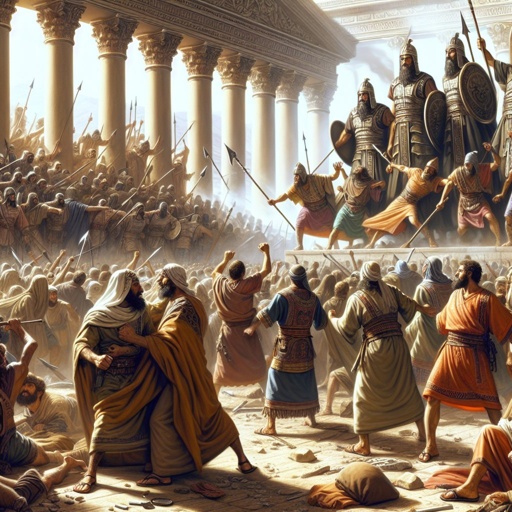
1 Samuel 7:7 - "And when the Philistines heard that the children of Israel were gathered together to Mizpeh, the lords of the Philistines went up against Israel. And when the children of Israel heard it, they were afraid of the Philistines."

1 Samuel 7:10 - "And as Samuel was offering up the burnt offering, the Philistines drew near to battle against Israel: but the LORD thundered with a great thunder on that day upon the Philistines, and discomfited them; and they were smitten before Israel."