The Cost of Disobedience: Reflections on 1 Samuel 15:19
"Wherefore then didst thou not obey the voice of the LORD, but didst fly upon the spoil, and didst evil in the sight of the LORD?" - 1 Samuel 15:19
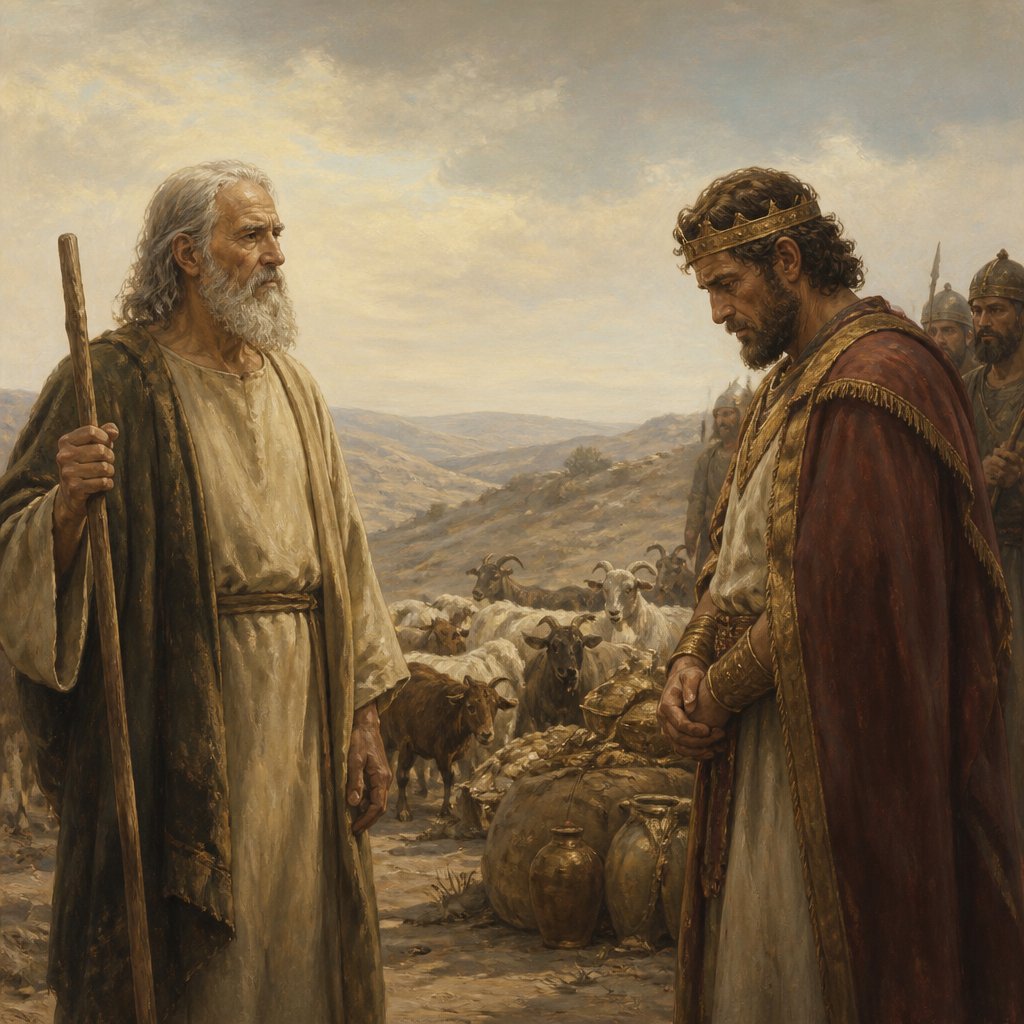
In 1 Samuel 15:19, we encounter a pivotal moment in the narrative of Saul’s reign as king of Israel, a moment suffused with weighty implications for obedience to God’s commands. The verse reads: "Wherefore then didst thou not obey the voice of the LORD, but didst fly upon the spoil, and didst evil in the sight of the LORD?" Here, the prophet Samuel confronts Saul after his disobedience regarding God’s command to utterly destroy the Amalekite people and their possessions—a command that Saul blatantly disregarded. By observing this passage, we come face to face with profound theological truths about obedience, authority, and the consequences of our actions before God.
Obedience to God is not merely an act of compliance; it is a declaration of our allegiance and recognition of His sovereign authority. Within the sanctity of the relationship between God and His people lies the invitation to trust and obey. In the case of Saul, God’s command was unequivocal and specific. Saul was to completely annihilate the Amalekites—their people, their animals, and their material wealth—because of their unrelenting hostility and sin against the nation of Israel (1 Samuel 15:2-3). However, Saul chose to deviate from God’s clear directive, demonstrating that obedience is not optional but is the very foundation of our relationship with the Divine.
Saul’s act of sparing King Agag and the choice to plunder the best of the sheep and oxen speak volumes. The outside world often equates success with material gain, cleverness, and status. In Saul’s eyes, claiming the spoils was an action of triumph—the sign of a king delivering wealth to his people. The subtlety of such temptation should not be overlooked; it is often in the allure of the worldly spoils that disobedience finds its most compelling voice.
The question posed by Samuel—"Wherefore then didst thou not obey the voice of the LORD?"—serves as a reflective call to self-examination. When we encounter God's commands, whether through Scripture, prayer, or the convictions of our conscience, how do we respond? Are we inclined to selectively obey, adhere only to what seems beneficial, or modify divine instruction to fit our personal agendas? Each of these decisions places personal desire above the Lord’s command, corrupting our relationship with Him.
Furthermore, the verse serves as a sobering reminder that disobedience is not simply a transgression against commandments; it is an act that is considered "evil in the sight of the LORD." This phrase indicates that our actions have an eternal significance, profoundly impacting the divine view of our hearts. Disobedience is not a minor infraction; it is an affront to God's holiness and invites consequences. Saul faced the heart-wrenching reality that his sin would cost him the kingship—a direct result of his choices. His decisions did not only affect him; they had ramifications for the entire nation, showcasing that leadership grounded in disobedience leads others astray.
In our lives, we must also recognize the effects of our choices. The ripples of our actions resonate far beyond our immediate circles; they can sow discord among those who observe our lives. How are we, as followers of Christ, influencing those around us? Our choices define our testimony and can either lead others towards the righteousness of God or into confusion and disillusionment.
Conclusively, 1 Samuel 15:19 encourages us to heed God's voice faithfully and reminds us that obedience originates from a heart aligned with His will. As we examine our lives this week, may we reflect on any areas where we have sought our own desires over His commands. May we be individuals who ‘obey the voice of the LORD’ wholeheartedly, understanding that true success lies not in worldly spoils, but in pleasing God and fulfilling His divine purposes for our lives.
Want to reflect more on 1 Samuel 15:19?
Continue your spiritual journey with Bible Chat — an AI-powered tool for exploring God's Word through conversation. Ask questions, discover connections, and deepen your understanding.
Get Our Apps


1 Samuel 15:19 Artwork

1 Samuel 15:19 - "Wherefore then didst thou not obey the voice of the LORD, but didst fly upon the spoil, and didst evil in the sight of the LORD?"
"Wherefore then didst thou not obey the voice of the LORD, but didst fly upon the spoil, and didst evil in the sight of the LORD?" - 1 Samuel 15:19

1 Samuel 28:15-19

1 Samuel 19:19 - "And it was told Saul, saying, Behold, David is at Naioth in Ramah."

1 Samuel 15:10 - "¶ Then came the word of the LORD unto Samuel, saying,"

1 Samuel 7:15 - "And Samuel judged Israel all the days of his life."
1 Samuel 15:31 - "So Samuel turned again after Saul; and Saul worshipped the LORD."

1.samuel 15:30

1 Samuel 15:22

1 Samuel 15:22

1 Samuel 15:34 - "¶ Then Samuel went to Ramah; and Saul went up to his house to Gibeah of Saul."

1 Samuel 1:15-17

1.samuel 15:30

1 Samuel 3:15 - "¶ And Samuel lay until the morning, and opened the doors of the house of the LORD. And Samuel feared to shew Eli the vision."

1 Samuel 3:19 - "¶ And Samuel grew, and the LORD was with him, and did let none of his words fall to the ground."

1 Samuel 28:15

2 Samuel 19:15 - "So the king returned, and came to Jordan. And Judah came to Gilgal, to go to meet the king, to conduct the king over Jordan."

1 Samuel 9:15 - "¶ Now the LORD had told Samuel in his ear a day before Saul came, saying,"

1 Samuel 19:18 - "¶ So David fled, and escaped, and came to Samuel to Ramah, and told him all that Saul had done to him. And he and Samuel went and dwelt in Naioth."

1 Samuel 8:19 - "¶ Nevertheless the people refused to obey the voice of Samuel; and they said, Nay; but we will have a king over us;"

1 Samuel 28:15-20

Luke 21:15-19

1 Samuel 19:1 - "And Saul spake to Jonathan his son, and to all his servants, that they should kill David."

1 Samuel 21:10-15

1 Samuel 15:27 - "And as Samuel turned about to go away, he laid hold upon the skirt of his mantle, and it rent."

1 Samuel 15:13 - "And Samuel came to Saul: and Saul said unto him, Blessed be thou of the LORD: I have performed the commandment of the LORD."

1 Samuel 10:15 - "And Saul's uncle said, Tell me, I pray thee, what Samuel said unto you."

1 Samuel 15:14 - "And Samuel said, What meaneth then this bleating of the sheep in mine ears, and the lowing of the oxen which I hear?"

1 Samuel 28:15 Saul is desperate

2 Samuel 19:1 - "And it was told Joab, Behold, the king weepeth and mourneth for Absalom."