The Weight of Leadership: Embracing God's Will in Governance
"Then Samuel told the people the manner of the kingdom, and wrote it in a book, and laid it up before the LORD. And Samuel sent all the people away, every man to his house." - 1 Samuel 10:25
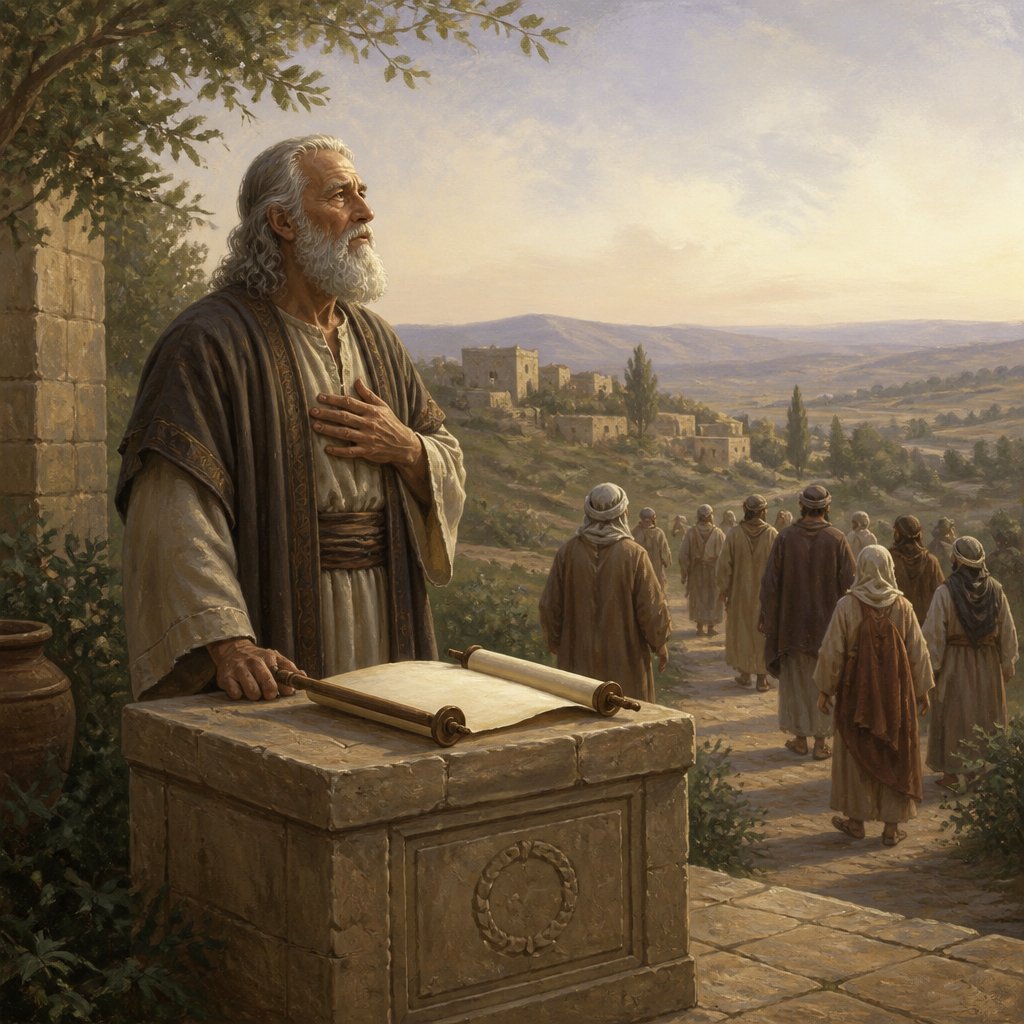
In 1 Samuel 10:25, we find a pivotal moment in the history of Israel: "Then Samuel told the people the manner of the kingdom, and wrote it in a book, and laid it up before the LORD. And Samuel sent all the people away, every man to his house." This verse speaks to the essence of leadership, the establishment of governance, and the sacred obligation that accompanies authority.
When we consider the context, Saul has just been anointed king. It is a moment filled with expectation and uncertainty. After centuries of tribal leadership and the judges' rule, the Israelites now longed for a king, influenced by their neighbors. God, in His wisdom, allowed this earthly desire to be fulfilled, but not without the guiding hand of His prophet Samuel. This transition allowed Israel to experience what it meant to have a monarchy, yet it also came with the potential for misalignment with God's will.
Samuel's act of telling the people "the manner of the kingdom" signifies the importance of imparting knowledge and understanding to those who will be governed. He didn't simply pass on the authority; he also laid down the principles and responsibilities that accompanied it. Samuel's written account serves as a reminder that with leadership comes the necessity for accountability, transparency, and divine guidance. By laying the book before the LORD, he acknowledges that all governance must be rooted in a relationship with God. The people were not merely receiving a king; they were being called to a higher standard of conduct, to uphold God's commandments amidst their new system of rule.
In our own lives, this scripture invites us to reflect on how we approach leadership—whether in our families, workplaces, or communities. Are we in a position of influence or authority? If so, are we positioned in alignment with God's principles? We must remember that true leadership is not merely about power or authority; it's about serving others, as Jesus exemplified during His earthly ministry. As we lead, we are called to educate those we influence. We must teach the principles of fairness, justice, love, and accountability.
The act of sending everyone home signifies a separation between the establishment of leadership and its exercise. It illustrates that while the structure of governance is set, each individual must internalize the laws and principles for themselves. In our spiritual walk, God often sends us away to reflect, to meditate, to pray. He desires that we process His Word in the solitude of our hearts, allowing it to influence our actions and decisions. Just as the Israelites were to consider the responsibilities of their new king, we too must assess how we live out our faith day by day. It’s in these quiet moments that we align ourselves with God’s heart, seeking guidance and clarity in our own lives.
Lastly, there's a profound lesson in Samuel’s reliance on God amid these monumental changes. Leadership can often lead to anxiety and overwhelming decisions, but we are encouraged to place our faith in the Creator. Just as Samuel laid everything before the LORD, we must continually dedicate our efforts, plans, and decisions to God, trusting that He will guide our paths. As we live in the authority we have been granted—whether in our homes, workplaces, or communities—it is essential to remember that we are not the ultimate authority. God is, and it is His kingdom we represent.
In conclusion, let us approach our lives with a conscious awareness of the responsibilities we bear as leaders in different facets of life. Let us commit to governing our conduct and influence according to God's statutes, striving to reflect His character in a world that often seeks its own way. May we learn to write our own story and principles in reverence before the Lord, carrying out our duty to lead wisely, humbly, and faithfully.
Want to reflect more on 1 Samuel 10:25?
Continue your spiritual journey with Bible Chat — an AI-powered tool for exploring God's Word through conversation. Ask questions, discover connections, and deepen your understanding.
Get Our Apps


1 Samuel 10:25 Artwork

1 Samuel 10:25 - "Then Samuel told the people the manner of the kingdom, and wrote it in a book, and laid it up before the LORD. And Samuel sent all the people away, every man to his house."
"Then Samuel told the people the manner of the kingdom, and wrote it in a book, and laid it up before the LORD. And Samuel sent all the people away, every man to his house." - 1 Samuel 10:25
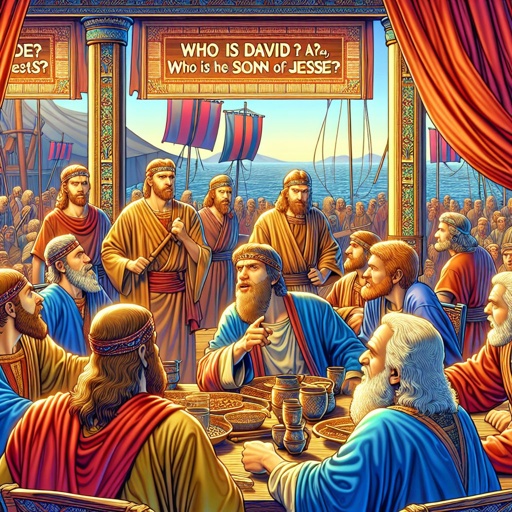
1 Samuel 25:10 - "¶ And Nabal answered David's servants, and said, Who is David? and who is the son of Jesse? there be many servants now a days that break away every man from his master."

1 Samuel 10:1 Samuel anoniting Saul

1 Samuel 1:25 - "And they slew a bullock, and brought the child to Eli."

1 Samuel 9:25 - "¶ And when they were come down from the high place into the city, Samuel communed with Saul upon the top of the house."

1 Samuel 15:10 - "¶ Then came the word of the LORD unto Samuel, saying,"

1 Samuel 25:1 - "And Samuel died; and all the Israelites were gathered together, and lamented him, and buried him in his house at Ramah. And David arose, and went down to the wilderness of Paran."

1 Samuel 10:17 - "¶ And Samuel called the people together unto the LORD to Mizpeh;"

1 Samuel 3:10 - "And the LORD came, and stood, and called as at other times, Samuel, Samuel. Then Samuel answered, Speak; for thy servant heareth."

1 Samuel 14:25 - "And all they of the land came to a wood; and there was honey upon the ground."

Exodus 25:10-22

1 Samuel 3:1-10

1 Samuel 25:4 - "¶ And David heard in the wilderness that Nabal did shear his sheep."

"And they slew a bullock, and brought the child to Eli." - 1 Samuel 1:25

1 Samuel 8:10 - "¶ And Samuel told all the words of the LORD unto the people that asked of him a king."

1 Samuel 16:10 - "Again, Jesse made seven of his sons to pass before Samuel. And Samuel said unto Jesse, The LORD hath not chosen these."

Nabal becomes like stone in 1 Samuel 25:37

Nabal becomes like stone in 1 Samuel 25:37

1 Samuel 10:20 - "And when Samuel had caused all the tribes of Israel to come near, the tribe of Benjamin was taken."

1 Samuel 1:10 - "And she was in bitterness of soul, and prayed unto the LORD, and wept sore."

1 Samuel 25:43 - "David also took Ahinoam of Jezreel; and they were also both of them his wives."

1 Samuel 25:38 - "And it came to pass about ten days after, that the LORD smote Nabal, that he died."

1 Samuel 30:25 - "And it was so from that day forward, that he made it a statute and an ordinance for Israel unto this day."

1 Samuel 25:44 - "¶ But Saul had given Michal his daughter, David's wife, to Phalti the son of Laish, which was of Gallim."

1 Samuel 21:10-15

1 Samuel 10:15 - "And Saul's uncle said, Tell me, I pray thee, what Samuel said unto you."

1 Samuel 12:25 - "But if ye shall still do wickedly, ye shall be consumed, both ye and your king."

1 Samuel 28:25 - "And she brought it before Saul, and before his servants; and they did eat. Then they rose up, and went away that night."

1 Samuel 10:1 - "Then Samuel took a vial of oil, and poured it upon his head, and kissed him, and said, Is it not because the LORD hath anointed thee to be captain over his inheritance?"