The House of Prayer: A Heart Open to God
"What prayer and supplication soever be made by any man, or by all thy people Israel, which shall know every man the plague of his own heart, and spread forth his hands toward this house:" - 1 Kings 8:38
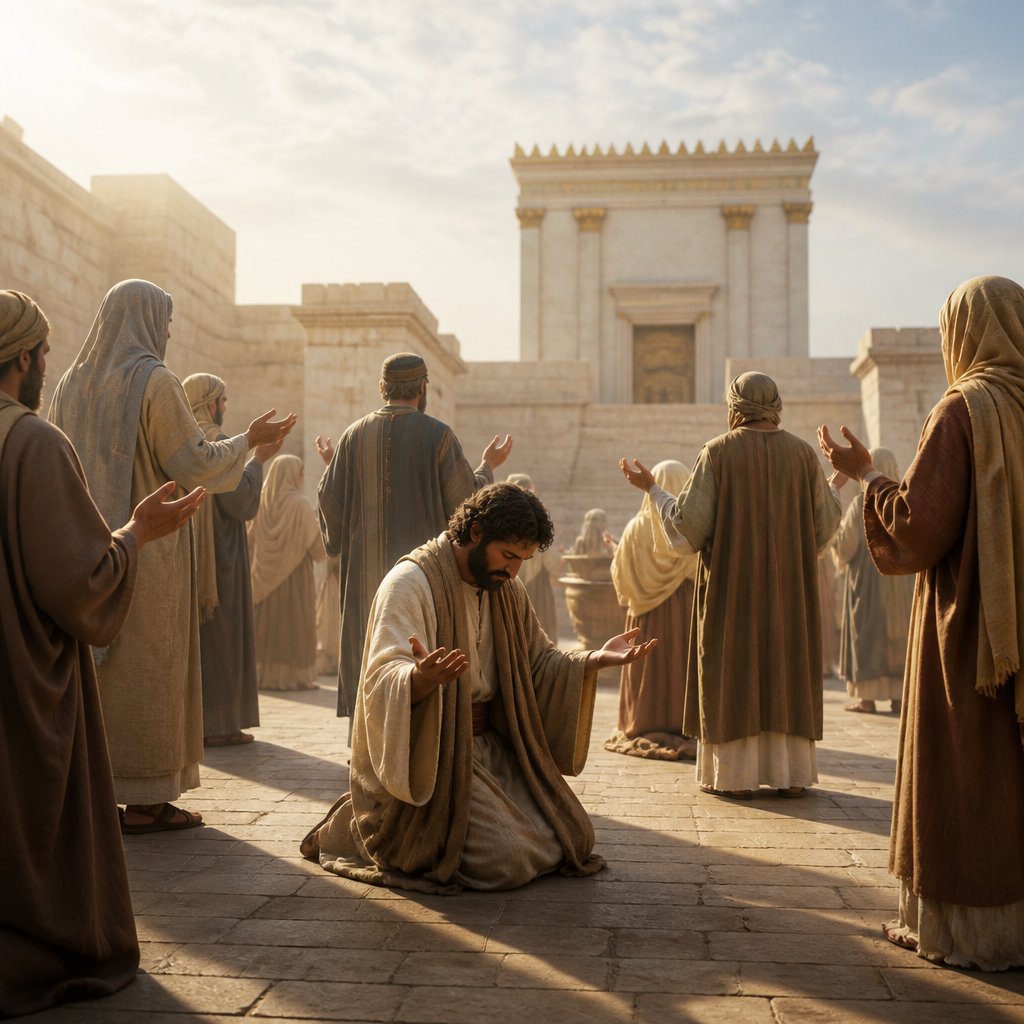
In 1 Kings 8:38, we find a profound declaration of the power of prayer: "What prayer and supplication soever be made by any man, or by all thy people Israel, which shall know every man the plague of his own heart, and spread forth his hands toward this house." This verse emerges from the monumental moment in which Solomon dedicates the Temple—a sacred place that God had chosen to dwell among His people. It is a poignant reminder to us of the significance of coming to God with our hearts laid bare, acknowledging both our needs and the consequences of our sin.
The phrase "the plague of his own heart" is especially striking. It encapsulates the human condition; we all deal with various 'plagues'—issues that weigh us down and keep us from the fullness of life that God desires for us. Each person is uniquely aware of their struggles, temptations, and failures. Solomon, in his prayerful dedication of the Temple, seems to understand that for the people of Israel to truly encounter God, they must first acknowledge their own hearts.
This acknowledgment is not merely an act of confession but an invitation to introspection, to look into our own souls and recognize the things that separate us from God. What are the plagues that hinder our relationship with Him? Is it pride, envy, anger, fear, or perhaps a lingering feeling of inadequacy? The plague is not about disregarding our sin but about embracing it so that God can heal us. This grace-filled truth resonates throughout Scripture: God desires our honesty more than our perfection.
As we read further, Solomon emphasizes the act of spreading forth one's hands toward the house. In biblical times, this gesture was significant; it was a physical manifestation of surrender and supplication. To raise our hands toward the house of God is to draw near to His presence. It signifies a longing for connection, a desire to reach out to the One who holds the power to heal and redeem. When we come to God with our hands raised, we are saying, "Lord, I am here; I cannot save myself, but I trust in You."
Moreover, the Temple represents not just a physical space but a symbol of God's unyielding desire to be near us. In the New Testament, through the sacrifice of Jesus, we understand that we now have free access to God through His Spirit (Ephesians 2:18). The walls of separation have been torn down, and our prayers, regardless of how feeble they may feel, are welcomed in His presence.
In our personal prayers, let us mirror the plea of Solomon. Rather than looking outward to others for judgment or criticism, we should first examine our hearts and bring our concerns to God. What prayer and supplication can we make that reflects our understanding of our inner struggles? Let us take a moment to reflect, confess, and surrender all that weighs us down.
In light of this powerful verse, let our prayers be infused with authenticity as we humble ourselves before God. As we acknowledge the plagues within, let us also have faith that God listens, cares, and responds to our cries. Whether you are praying alone in your room or joining with a community, remember that no prayer is too small or too great for God. He invites you to recognize your pain and bring it before Him.
As we make our way through life, let this verse encourage us to come to the Temple of God—figuratively and spiritually—with hearts open and hands raised. This is an act of faith, and it reflects our understanding of God's love for us. When we acknowledge the plagues of our hearts and spread forth our hands, the promise of healing, forgiveness, and restoration is ours. Indeed, in the depths of our prayers may we discover the grace that God freely offers to all who seek Him.
Want to reflect more on 1 Kings 8:38?
Continue your spiritual journey with Bible Chat — an AI-powered tool for exploring God's Word through conversation. Ask questions, discover connections, and deepen your understanding.
Get Our Apps


1 Kings 8:38 Artwork
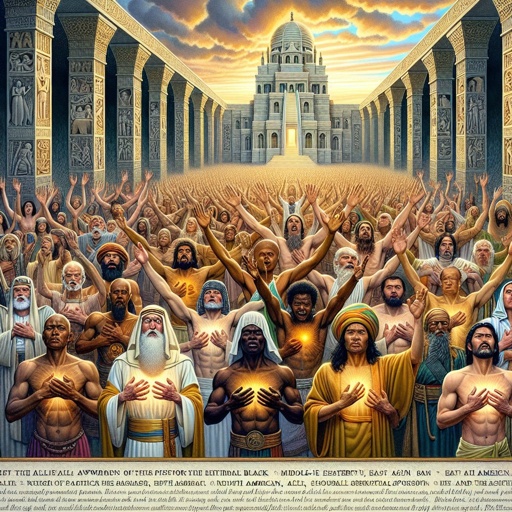
1 Kings 8:38 - "What prayer and supplication soever be made by any man, or by all thy people Israel, which shall know every man the plague of his own heart, and spread forth his hands toward this house:"
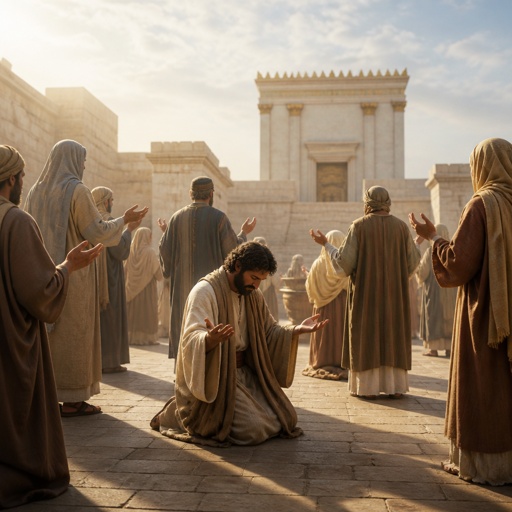
"What prayer and supplication soever be made by any man, or by all thy people Israel, which shall know every man the plague of his own heart, and spread forth his hands toward this house:" - 1 Kings 8:38

1 Kings 7:27-38

1 Kings 7:27-38

Elijah in the scene 1 Kings 18:36–38

1 Kings 20:38 - "So the prophet departed, and waited for the king by the way, and disguised himself with ashes upon his face."

1 Kings 18:38 - "Then the fire of the LORD fell, and consumed the burnt sacrifice, and the wood, and the stones, and the dust, and licked up the water that was in the trench."

1 Kings 8:6-8

1 Kings 8:10

1 Kings 8:21

1 Kings 8:21

1 Kings 8:10

1 kings 8:7

1 Kings 8:10

1 Kings 8:10

1 Kings 8:7

1 Kings 8:21

1 Kings 8:10
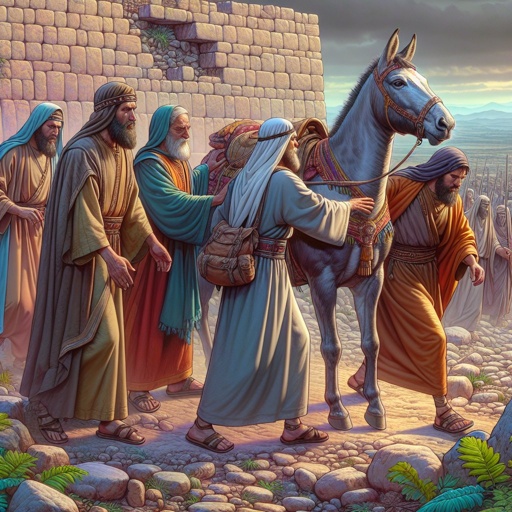
1 Kings 1:38 - "So Zadok the priest, and Nathan the prophet, and Benaiah the son of Jehoiada, and the Cherethites, and the Pelethites, went down, and caused Solomon to ride upon king David's mule, and brought him to Gihon."

1 Kings 8:10

1 kings 8:7

1 Kings 8:22

1 Kings 8:21

1 Kings 8:10
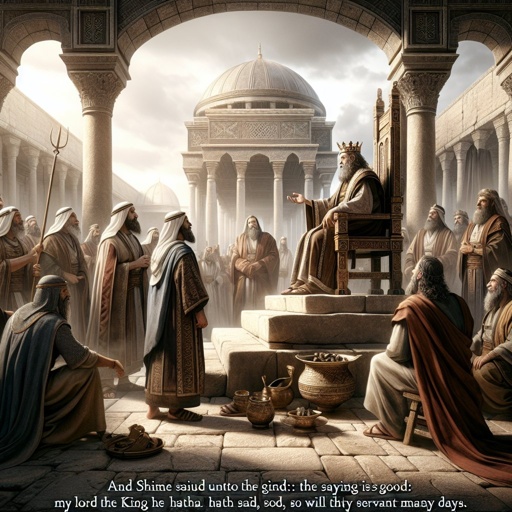
1 Kings 2:38 - "And Shimei said unto the king, The saying is good: as my lord the king hath said, so will thy servant do. And Shimei dwelt in Jerusalem many days."

1 Chronicles 8:38 - "And Azel had six sons, whose names are these, Azrikam, Bocheru, and Ishmael, and Sheariah, and Obadiah, and Hanan. All these were the sons of Azel."

Psalm 38:8

romans 8:38

1 Kings 22:38 - "And one washed the chariot in the pool of Samaria; and the dogs licked up his blood; and they washed his armour; according unto the word of the LORD which he spake."

1 Kings 7:38 - "¶ Then made he ten lavers of brass: one laver contained forty baths: and every laver was four cubits: and upon every one of the ten bases one laver."