A Call to Divine Mercy and Guidance
"Then hear thou in heaven, and forgive the sin of thy servants, and of thy people Israel, that thou teach them the good way wherein they should walk, and give rain upon thy land, which thou hast given to thy people for an inheritance." - 1 Kings 8:36
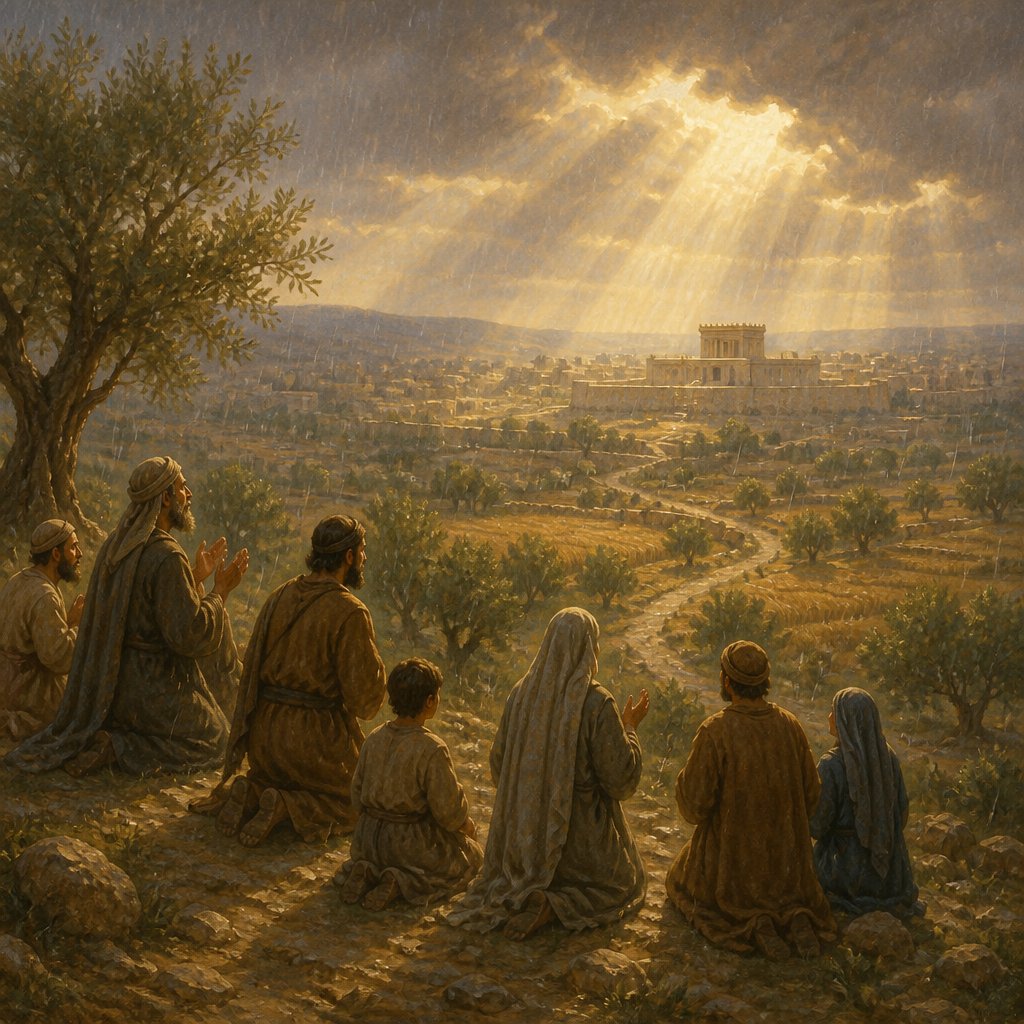
In the grand tapestry of Scripture, 1 Kings 8:36 emerges as a profound plea for divine intervention, encapsulating a multitude of themes central to our relationship with God. The verse states: "Then hear thou in heaven, and forgive the sin of thy servants, and of thy people Israel, that thou teach them the good way wherein they should walk, and give rain upon thy land, which thou hast given to thy people for an inheritance." This prayer, articulated by Solomon, the wise king of Israel, during the dedication of the temple, is a multidimensional cry that echoes through the ages, inviting us to reflect on forgiveness, guidance, and the sustenance of God’s promises.
**The Context of the Cry**
It is crucial to situate this verse within the context of its setting. Solomon had just completed the monumental task of building a temple, a physical dwelling for God among His people. This dedication was not merely a cultural milestone; it was a spiritual alignment where the heart of a nation sought to honor the divine presence. As Solomon stands before the assembled multitude, he recognizes the frailty and sinfulness of Israel, acknowledging that they are a people in need of grace and guidance.
**The Nature of Sin**
The petition for forgiveness speaks to the nature of humanity. Solomon’s prayer begins with the recognition of sin—both personal and communal. It is a reminder that even those who serve directly in God’s work can falter; thus, entering into the holiest of places requires an honest acknowledgment of our shortcomings. In our lives, we too need to recognize our sins—those areas where we have missed the mark, be it through action, inaction, or even thought. It is a bold step to confront our failings, yet Solomon’s request assures us that God is always poised to respond with mercy when we approach Him with contrite hearts.
**The Path of Instruction**
Following the plea for forgiveness, Solomon requests that God teaches His people “the good way wherein they should walk.” This shows that forgiveness is not the end goal; rather, it opens the door to transformation. In a world rife with confusion and moral ambiguity, the believer earnestly seeks divine instruction. In our own lives, how often do we drift without direction? How often do we fail to seek God’s guidance in our daily choices?
The prayer calls us to lean into the wisdom of Scripture, to seek His will through prayer, and to cultivate an ear attuned to the Holy Spirit’s leading. God desires for His people not merely to be forgiven but to grow in righteousness—walking the good path that brings life and blessing. What does this look like in practice? It involves daily disciplines: reading the Word, engaging in prayer, and surrounding ourselves with a community of believers who encourage us on our spiritual journey.
**The Blessing of Rain**
The latter part of the verse speaks of a tangible blessing: “give rain upon thy land.” Rain is not merely a physical need; it symbolizes sustenance, provision, and life. In the ancient Near East, rain was a vital component for agricultural prosperity and survival. When we think about our need for God’s provision, we can find parallels in our spiritual sustenance. Just as the earth needs rain, we need God’s nurturing presence to thrive in our lives. This aspect of Solomon’s prayer encourages us to trust that God will provide for our needs—spiritual and physical—when we remain aligned with His ways.
**The Inheritance of Grace**
Lastly, Solomon emphasizes that the land is an inheritance given to God's people. This inheritance is not just an earthly blessing; it is a reminder of the covenant relationship that God establishes with His people. As we consider our own inheritance as children of God, let us rejoice in the abundant life and grace offered to us through Christ. We are called to be stewards of this grace, sharing it as we walk the paths God has laid before us.
In conclusion, 1 Kings 8:36 serves as a holistic reminder of our journey with God: acknowledging our sins, seeking His guidance, receiving His blessings, and remembering our inheritance. As we pray for forgiveness and guidance, let us also embrace the transformative journey of walking in His ways, trusting in His provision, and celebrating the grace we’ve received.
Want to reflect more on 1 Kings 8:36?
Continue your spiritual journey with Bible Chat — an AI-powered tool for exploring God's Word through conversation. Ask questions, discover connections, and deepen your understanding.
Get Our Apps


1 Kings 8:36 Artwork

1 Kings 8:36 - "Then hear thou in heaven, and forgive the sin of thy servants, and of thy people Israel, that thou teach them the good way wherein they should walk, and give rain upon thy land, which thou hast given to thy people for an inheritance."
"Then hear thou in heaven, and forgive the sin of thy servants, and of thy people Israel, that thou teach them the good way wherein they should walk, and give rain upon thy land, which thou hast given to thy people for an inheritance." - 1 Kings 8:36

Elijah in the scene 1 Kings 18:36–38

1 Kings 1:36 - "And Benaiah the son of Jehoiada answered the king, and said, Amen: the LORD God of my lord the king say so too."

1 Kings 6:36 - "¶ And he built the inner court with three rows of hewed stone, and a row of cedar beams."

2 Kings 19:36 - "So Sennacherib king of Assyria departed, and went and returned, and dwelt at Nineveh."

1 Kings 8:6-8

1 Kings 8:10

1 Kings 8:21

1 Kings 8:10

1 Kings 8:10

1 Kings 8:21

1 kings 8:7

1 Kings 8:7

1 Kings 8:10

1 Kings 8:21

1 Kings 8:10

1 Chronicles 8:36 - "And Ahaz begat Jehoadah; and Jehoadah begat Alemeth, and Azmaveth, and Zimri; and Zimri begat Moza,"

2 Chronicles 36:8 - "Now the rest of the acts of Jehoiakim, and his abominations which he did, and that which was found in him, behold, they are written in the book of the kings of Israel and Judah: and Jehoiachin his son reigned in his stead."

1 Kings 8:10

1 kings 8:7

1 Kings 8:22

1 Kings 8:21

1 Kings 8:10

1 Kings 2:36 - "¶ And the king sent and called for Shimei, and said unto him, Build thee an house in Jerusalem, and dwell there, and go not forth thence any whither."

1 Kings 7:36 - "For on the plates of the ledges thereof, and on the borders thereof, he graved cherubims, lions, and palm trees, according to the proportion of every one, and additions round about."

1 Kings 22:36 - "And there went a proclamation throughout the host about the going down of the sun, saying, Every man to his city, and every man to his own country."

1 Kings 4:8 - "And these are their names: The son of Hur, in mount Ephraim:"

2 kings 9:34-36

2 Kings 15:36 - "¶ Now the rest of the acts of Jotham, and all that he did, are they not written in the book of the chronicles of the kings of Judah?"