The Promise Fulfilled: Standing on the Faithfulness of God
"And the LORD hath performed his word that he spake, and I am risen up in the room of David my father, and sit on the throne of Israel, as the LORD promised, and have built an house for the name of the LORD God of Israel." - 1 Kings 8:20
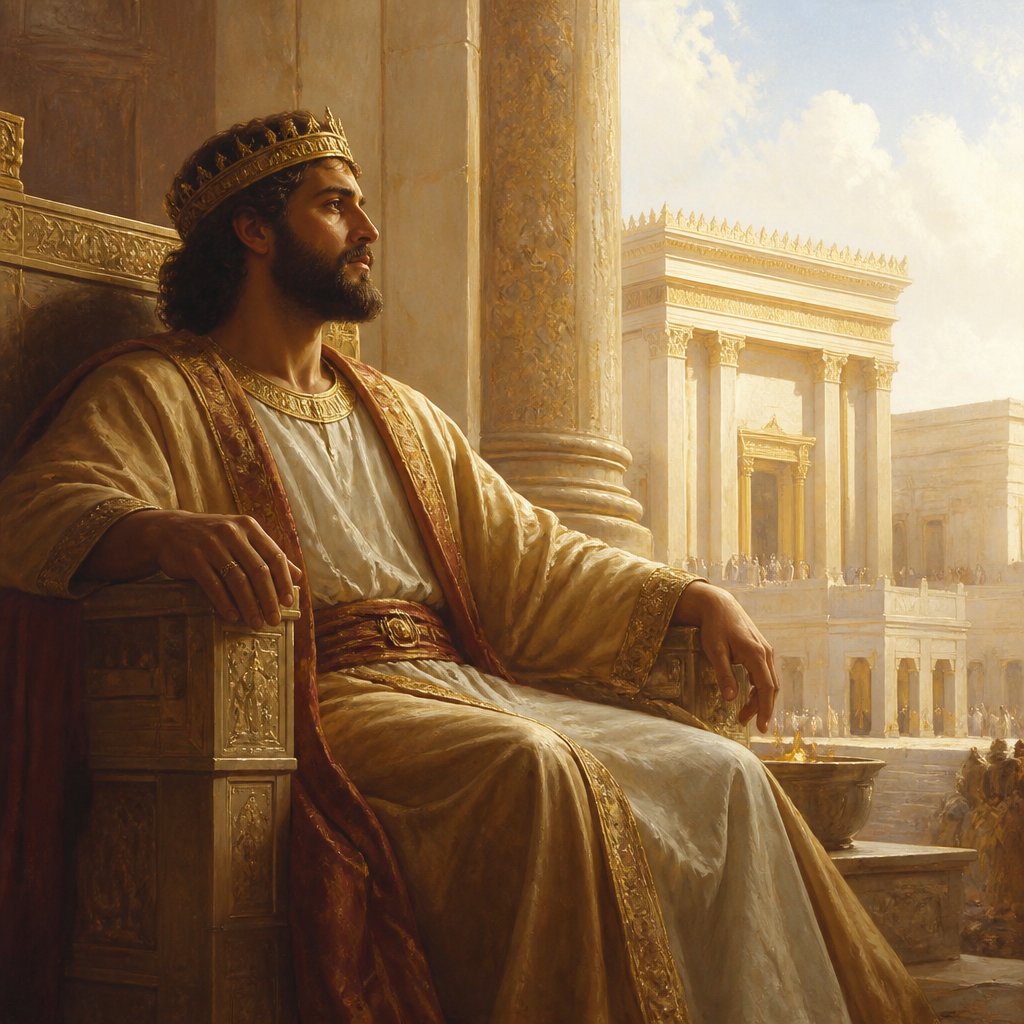
In 1 Kings 8:20, we encounter a profound moment in Israel’s history, marked by the words spoken by Solomon: "And the LORD hath performed his word that he spake, and I am risen up in the room of David my father, and sit on the throne of Israel, as the LORD promised, and have built an house for the name of the LORD God of Israel." In these few lines, we see not only the fulfillment of God's promise but also the deep implications of obedience, leadership, and legacy.
At the heart of this verse is the faithfulness of God. Solomon reflects on the fact that God has performed His word. This idea of God fulfilling His promises is foundational to our faith. Throughout the Bible, we see God making covenants with His people, promises that transcend generations. From Abraham to David, God has been a promise keeper, demonstrating that His plans are not thwarted by human actions or failures. In the context of Solomon’s reign, we are reminded that God’s timing is perfect, and His intentions are unraveled at the right moment for His glory.
As Solomon acknowledges that he has risen in the place of his father David, we recognize the weight of this leadership transition. David was a man after God’s own heart, a revered king whose presence loomed large over Israel’s history. It was under David’s reign that Israel united as a people and thrived as a nation. Solomon, stepping into this significant role, carries not only the mantle of kingship but also the legacy of his father’s faith. This moment serves as a potent reminder for us, too—every generation has the responsibility to build on the faith of those who have come before us. How are we honoring the legacies of our predecessors while forging our paths in faith?
The construction of the temple is also of paramount importance in this scripture. Solomon states, “and have built an house for the name of the LORD God of Israel.” In doing so, he fulfilled the dream of his father, David, who longed to make a dwelling place for the Lord. This act of building the temple symbolizes more than just the architectural feat; it represents the establishment of a physical and spiritual sanctuary for the people of Israel. It was a place where God's presence would dwell, signifying His intimate relationship with His people.
In our lives today, what does building a house for the name of the Lord look like? It invites us to consider how we can actively create space for God in our daily lives. Building a 'house' for the Lord could involve cultivating our hearts to be homes of worship through prayer, scripture reading, and intentional living that reflects Christ. It could mean fostering community, inviting others into discussions of faith, and being a light in the darkness that surrounds us. Just as Solomon took on the task of building an edifice, we are called to build lives that glorify God, reflecting His nature and bringing others to Him.
Lastly, this scripture reminds us of the promise that we, too, are heirs to. Just as Solomon was faithful to God’s promises and the task set before him, we have our own calling within the body of Christ. God invites us to participate in His story, using the gifts and opportunities He has given us. The assurance that God has performed His word reassures us that He will continue to do so in our lives.
As we meditate on this passage, let us hold tightly to the faithfulness of God amid challenges and uncertainties. Let us strive to build our lives as a testament of His goodness, acknowledging that the greatest legacy we can leave behind is a life founded on faith in His promises.
Want to reflect more on 1 Kings 8:20?
Continue your spiritual journey with Bible Chat — an AI-powered tool for exploring God's Word through conversation. Ask questions, discover connections, and deepen your understanding.
Get Our Apps


1 Kings 8:20 Artwork

1 Kings 8:20 - "And the LORD hath performed his word that he spake, and I am risen up in the room of David my father, and sit on the throne of Israel, as the LORD promised, and have built an house for the name of the LORD God of Israel."
"And the LORD hath performed his word that he spake, and I am risen up in the room of David my father, and sit on the throne of Israel, as the LORD promised, and have built an house for the name of the LORD God of Israel." - 1 Kings 8:20

1 Kings 20:8 - "And all the elders and all the people said unto him, Hearken not unto him, nor consent."

2 Kings 8:20 - "¶ In his days Edom revolted from under the hand of Judah, and made a king over themselves."

Daniel 8:20 - "The ram which thou sawest having two horns are the kings of Media and Persia."

1 Kings 14:1-20

1 Kings 8:6-8

1 Kings 8:10

1 Kings 8:21

1 Kings 8:21

1 Kings 8:10

1 kings 8:7

1 Kings 8:10

1 Kings 8:10

1 Kings 8:7

1 Kings 8:21

1 Kings 8:10

"And all the elders and all the people said unto him, Hearken not unto him, nor consent." - 1 Kings 20:8

1 Kings 8:10

1 kings 8:7

1 Kings 8:22

1 Kings 8:21

1 Kings 8:10

1 Kings 20:16 - "And they went out at noon. But Ben-hadad was drinking himself drunk in the pavilions, he and the kings, the thirty and two kings that helped him."

1 Chronicles 8:20 - "And Elienai, and Zilthai, and Eliel,"

1 Kings 20:24 - "And do this thing, Take the kings away, every man out of his place, and put captains in their rooms:"

1 Kings 16:20 - "Now the rest of the acts of Zimri, and his treason that he wrought, are they not written in the book of the chronicles of the kings of Israel?"

"¶ In his days Edom revolted from under the hand of Judah, and made a king over themselves." - 2 Kings 8:20

1 Kings 20:20 - "And they slew every one his man: and the Syrians fled; and Israel pursued them: and Ben-hadad the king of Syria escaped on an horse with the horsemen."

1 Kings 20:1 - "And Ben-hadad the king of Syria gathered all his host together: and there were thirty and two kings with him, and horses, and chariots: and he went up and besieged Samaria, and warred against it."