Strength and Stability: Lessons from the Pillars of Brass
"For he cast two pillars of brass, of eighteen cubits high apiece: and a line of twelve cubits did compass either of them about." - 1 Kings 7:15

In 1 Kings 7:15, we encounter a fascinating scene in King Solomon's construction project: "For he cast two pillars of brass, of eighteen cubits high apiece: and a line of twelve cubits did compass either of them about." At first glance, this verse may seem like mere architectural detail in Solomon's grand temple, but upon deeper reflection, it reveals profound spiritual truths that speak to our lives today.
To understand the significance of these pillars, we must first recognize the context of their creation. Solomon, renowned for his wisdom, was tasked with building the temple of the Lord, a place of dwelling for God's presence among His people. The pillars, named Jachin and Boaz, were not just structural elements; they bore symbolic weight.
The term "Jachin" means "He will establish," while "Boaz" means "In Him is strength." These names encapsulate the very essence of what God desires to communicate through His presence. He is our established foundation, and in Him, we find our strength. In the same manner, these pillars stood as a testament to God’s covenant with His people, representing stability and support as they entered into a sacred space.
Consider the height of the pillars—eighteen cubits, which translates to about twenty-seven feet tall. They towered over the temple courtyard, reminding all who entered of God’s greatness. Their impressive stature serves as a parallel to God in our lives. Just as these pillars rose high above the ground, we ought to lift our eyes to the Lord, who reigns above all. In moments of difficulty, when life’s circumstances seem daunting, we must remember to look up to God, who is higher than any challenge we face.
Moreover, the twelve cubits that circled the base of each pillar signifies a connection to completeness and God’s divine order, as the number twelve often represents God’s chosen people—the twelve tribes of Israel. This measurement suggests that God’s strength and establishment are not just personal; they extend into community, unity, and the body of Christ. Our individual lives are supported by the church, and each of us carries God’s strength together.
These pillars made of brass, a metal known for its durability, can symbolize the unyielding nature of God's promises. Brass is often associated with judgment and purification in the Bible, indicating that while God is merciful, He is also just. Just like the solid pillars in Solomon's temple, God's truths and His word stand firm through all generations. In a world where change is the only constant, we can rest assured that God remains the same. Our trials may bend us, but they will not break us, for our foundation is built on Christ, our Cornerstone.
As we journey through life, we may encounter seasons where we feel like we are standing alone, much like the solitary pillars. Yet, even in those moments, we must remember that God is our support system. We may feel small and insignificant, but we possess intrinsic value as children of the Most High. God sees you, and He cares about the heights and depths of your experiences.
Let these pillars serve as a reminder of our call to stand firm in faith, to embrace the strength God offers us, and to establish our lives on His unwavering promises. In all our endeavors, whether grand or small, we can do so with the assurance that strength comes not from ourselves but from the God who establishes and supports us. Let us reflect on the beauty and meaning behind the pillars of brass, allowing God’s truth to shape our understanding of strength, community, and unwavering faith.
Want to reflect more on 1 Kings 7:15?
Continue your spiritual journey with Bible Chat — an AI-powered tool for exploring God's Word through conversation. Ask questions, discover connections, and deepen your understanding.
Get Our Apps


1 Kings 7:15 Artwork

1 Kings 7:15 - "For he cast two pillars of brass, of eighteen cubits high apiece: and a line of twelve cubits did compass either of them about."

"For he cast two pillars of brass, of eighteen cubits high apiece: and a line of twelve cubits did compass either of them about." - 1 Kings 7:15

1 Kings 15:7 - "Now the rest of the acts of Abijam, and all that he did, are they not written in the book of the chronicles of the kings of Judah? And there was war between Abijam and Jeroboam."

1 Kings 7:27-38

1 Kings 7:27-38

"Now the rest of the acts of Abijam, and all that he did, are they not written in the book of the chronicles of the kings of Judah? And there was war between Abijam and Jeroboam." - 1 Kings 15:7

1 kings 3:15

1 kings 3:15

1 kings 8:7

1 Kings 15:31 - "¶ Now the rest of the acts of Nadab, and all that he did, are they not written in the book of the chronicles of the kings of Israel?"

1 Kings 10:15 - "Beside that he had of the merchantmen, and of the traffick of the spice merchants, and of all the kings of Arabia, and of the governors of the country."

2 Kings 7:15 - "And they went after them unto Jordan: and, lo, all the way was full of garments and vessels, which the Syrians had cast away in their haste. And the messengers returned, and told the king."

1 kings 8:7

1 Kings 8:7

1 Kings 15:1 - "Now in the eighteenth year of king Jeroboam the son of Nebat reigned Abijam over Judah."

Luke 15: 4-7

1 Timothy 6:15-16 – "God, the blessed and only Ruler, the King of kings and Lord of lords."

1 Kings 15:32 - "And there was war between Asa and Baasha king of Israel all their days."

1 Kings 15:16 - "¶ And there was war between Asa and Baasha king of Israel all their days."

1 Kings 11:1-5

1 Timothy 6:15-16 – "God, the blessed and only Ruler, the King of kings and Lord of lords."

1 Timothy 6:15-16 – "God, the blessed and only Ruler, the King of kings and Lord of lords."
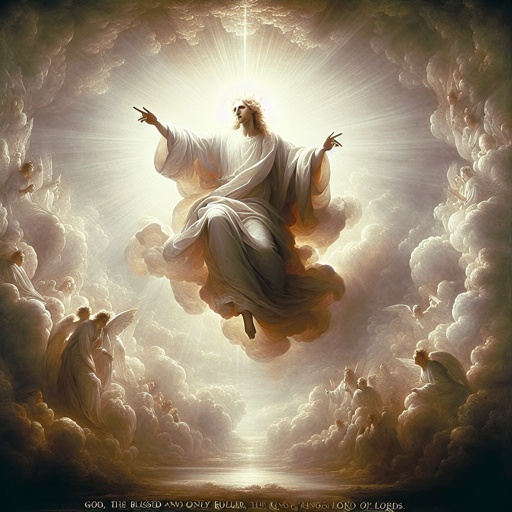
1 Timothy 6:15-16 – "God, the blessed and only Ruler, the King of kings and Lord of lords."

1 Kings 1:15 - "¶ And Bath-sheba went in unto the king into the chamber: and the king was very old; and Abishag the Shunammite ministered unto the king."

1 Kings 15:9 - "¶ And in the twentieth year of Jeroboam king of Israel reigned Asa over Judah."

1 Timothy 6:15-16 – "God, the blessed and only Ruler, the King of kings and Lord of lords."

1 Kings 7:43 - "And the ten bases, and ten lavers on the bases;"

1 Kings 7:13 - "¶ And king Solomon sent and fetched Hiram out of Tyre."

2 Kings 15:7 - "So Azariah slept with his fathers; and they buried him with his fathers in the city of David: and Jotham his son reigned in his stead."

1 Kings 15:6 - "And there was war between Rehoboam and Jeroboam all the days of his life."