The Weight of Legacy: Assessing Our Kingdoms
"And king Solomon answered and said unto his mother, And why dost thou ask Abishag the Shunammite for Adonijah? ask for him the kingdom also; for he is mine elder brother; even for him, and for Abiathar the priest, and for Joab the son of Zeruiah." - 1 Kings 2:22
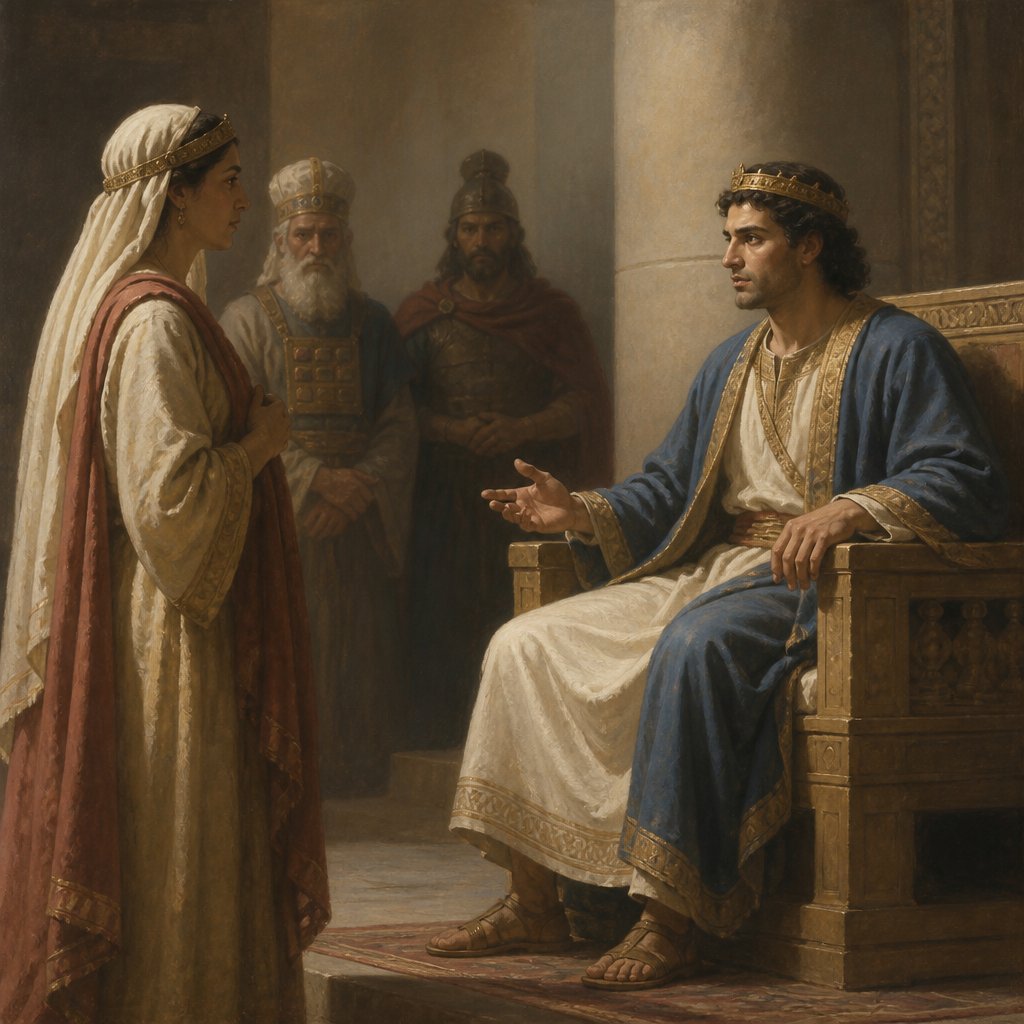
In this profound moment captured in 1 Kings 2:22, we find King Solomon responding to his mother, Bathsheba, regarding the request made by his brother Adonijah for the hand of Abishag, a beautiful young woman who had cared for David in his old age. The significance of Bathsheba's inquiry extends far beyond a mere romantic interest; it represents a challenge to the newly established throne of Solomon and the legitimacy of his reign.
"And king Solomon answered and said unto his mother, And why dost thou ask Abishag the Shunammite for Adonijah? ask for him the kingdom also; for he is mine elder brother; even for him, and for Abiathar the priest, and for Joab the son of Zeruiah" (1 Kings 2:22 KJV). With these words, Solomon brings to light the reality of rivalry and the complexities inherent in his ascent to power. Here we see a young king coming to terms with the expectations of his role and the seriousness of his political landscape.
Solomon’s mind reflects that of a seasoned ruler rather than a young man newly crowned. In his response, he recognizes a deep-seated ambition in Adonijah's request. The mention of Abishag is not just a plea for affection; it serves as an assertion of his right to the throne. Solomon’s pointed remark, “ask for him the kingdom also,” exposes the stakes involved in this familial query—this is not merely a request for a woman, but a claim for sovereignty.
This moment resonates powerfully in our own spiritual lives. Each of us contends with legacies—those we inherit and those we build ourselves. Solomon’s response is a stark reminder of the importance of discerning our desires and ambitions. Are we asking for what belongs to others, or are we focusing on what God has ordained for our lives? As we navigate our journeys, we must be vigilant about the motivations behind our requests. Are they born out of jealousy, ambition, or a genuine desire to fulfill our purpose?
Moreover, Solomon's acknowledgment of Adonijah as his elder brother illustrates the importance of family dynamics and aligns with the honor due to one’s elders. Even in the face of potential betrayal and usurpation, Solomon shows respect, a quality ingrained in the Biblical leaders. This suggests a delicate balance of honor, respect, and the hard reality of leadership responsibilities.
The verse also highlights the characters of Abiathar and Joab—men of significance whose alliances and past actions carry weight. Solomon’s understanding of their political maneuvering is crucial to the stability of his rule. It urges us to evaluate our alliances and the dynamics of those who surround us. Are we fostering relationships that uplift us toward God’s calling, or are our alliances rooted in self-serving ambitions?
In moving forward, it is essential to remind ourselves that our legacies—both positive and negative—impact generations to come. We can spend our energy on building our own kingdoms, but it is more important to build a legacy rooted in righteousness, humility, and service to God. Each decision we make can ripple into the lives of those connected to us—friends, family, and even strangers.
So, let us evaluate our desires today in light of Solomon's wisdom and the implications of his actions. May we seek first the kingdom of God, ensuring our legacies reflect His glory rather than our ambitions. Let us also honor those who have walked before us and navigate life’s complexities with grace, understanding that our choices shape not only our destinies but also the lives of future generations.
In prayer and contemplation, let us ask ourselves: What kingdom are we asking for, and who are our Adonijahs, Abiathars, and Joabs? Are we prepared to align our legacy with God's purpose, striving to build a kingdom reflective of His heart?
Want to reflect more on 1 Kings 2:22?
Continue your spiritual journey with Bible Chat — an AI-powered tool for exploring God's Word through conversation. Ask questions, discover connections, and deepen your understanding.
Get Our Apps


1 Kings 2:22 Artwork
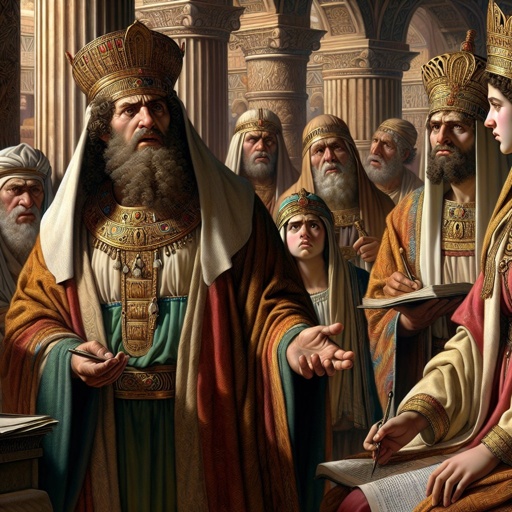
1 Kings 2:22 - "And king Solomon answered and said unto his mother, And why dost thou ask Abishag the Shunammite for Adonijah? ask for him the kingdom also; for he is mine elder brother; even for him, and for Abiathar the priest, and for Joab the son of Zeruiah."
"And king Solomon answered and said unto his mother, And why dost thou ask Abishag the Shunammite for Adonijah? ask for him the kingdom also; for he is mine elder brother; even for him, and for Abiathar the priest, and for Joab the son of Zeruiah." - 1 Kings 2:22

1 Kings 2:2 - "I go the way of all the earth: be thou strong therefore, and shew thyself a man;"

1 Kings 22:2 - "And it came to pass in the third year, that Jehoshaphat the king of Judah came down to the king of Israel."
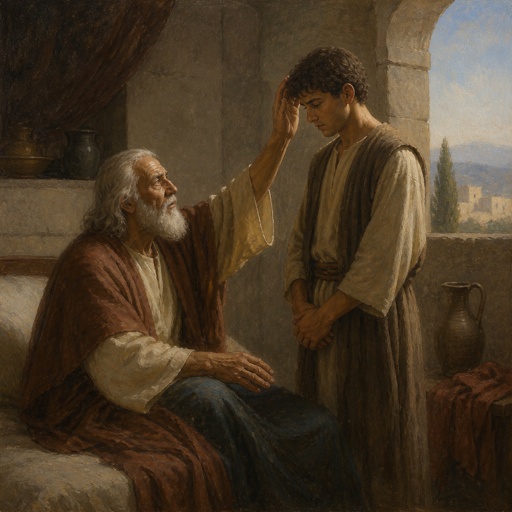
"I go the way of all the earth: be thou strong therefore, and shew thyself a man;" - 1 Kings 2:2

1 Kings 8:22

2 Kings 2:22 - "So the waters were healed unto this day, according to the saying of Elisha which he spake."

1 Kings 22:47 - "There was then no king in Edom: a deputy was king."

1 kings 22:19

2 Kings 22:1 - "Josiah was eight years old when he began to reign, and he reigned thirty and one years in Jerusalem. And his mother's name was Jedidah, the daughter of Adaiah of Boscath."
2 Kings 23:22 - "Surely there was not holden such a passover from the days of the judges that judged Israel, nor in all the days of the kings of Israel, nor of the kings of Judah;"

1 Kings 22:44 - "And Jehoshaphat made peace with the king of Israel."

2 Kings 13:22 - "¶ But Hazael king of Syria oppressed Israel all the days of Jehoahaz."

2 Chronicles 9:22 - "And king Solomon passed all the kings of the earth in riches and wisdom."

1 Kings 22:1 - "And they continued three years without war between Syria and Israel."

1 Kings 1:22 - "¶ And, lo, while she yet talked with the king, Nathan the prophet also came in."
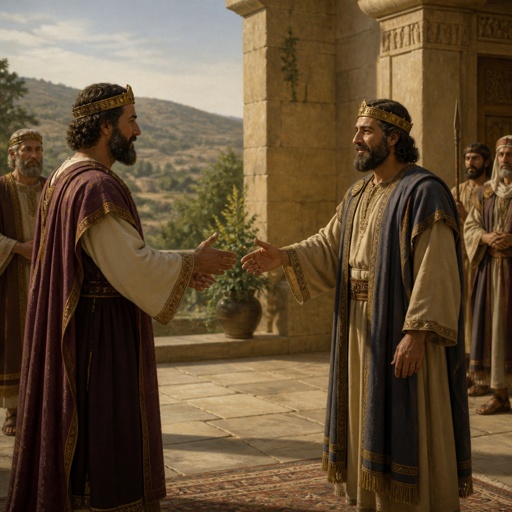
"And it came to pass in the third year, that Jehoshaphat the king of Judah came down to the king of Israel." - 1 Kings 22:2

1 Kings 22:37 - "¶ So the king died, and was brought to Samaria; and they buried the king in Samaria."

2 Kings 14:22 - "He built Elath, and restored it to Judah, after that the king slept with his fathers."

2 Kings 21:22 - "And he forsook the LORD God of his fathers, and walked not in the way of the LORD."

1 Kings 22:29 - "So the king of Israel and Jehoshaphat the king of Judah went up to Ramoth-gilead."

1 Kings 22:45 - "Now the rest of the acts of Jehoshaphat, and his might that he shewed, and how he warred, are they not written in the book of the chronicles of the kings of Judah?"

1 Kings 12:22 - "But the word of God came unto Shemaiah the man of God, saying,"

2 Kings 22:7 - "Howbeit there was no reckoning made with them of the money that was delivered into their hand, because they dealt faithfully."

"There was then no king in Edom: a deputy was king." - 1 Kings 22:47

1 Kings 22:9 - "Then the king of Israel called an officer, and said, Hasten hither Micaiah the son of Imlah."

2 Timothy 2:22

2 Kings 22:6 - "Unto carpenters, and builders, and masons, and to buy timber and hewn stone to repair the house."

2 Kings 15:22 - "And Menahem slept with his fathers; and Pekahiah his son reigned in his stead."

1 Kings 7:22 - "And upon the top of the pillars was lily work: so was the work of the pillars finished."