When the Weight of the Wilderness Feels Too Heavy
"¶ But he himself went a day's journey into the wilderness, and came and sat down under a juniper tree: and he requested for himself that he might die; and said, It is enough; now, O LORD, take away my life; for I am not better than my fathers." - 1 Kings 19:4
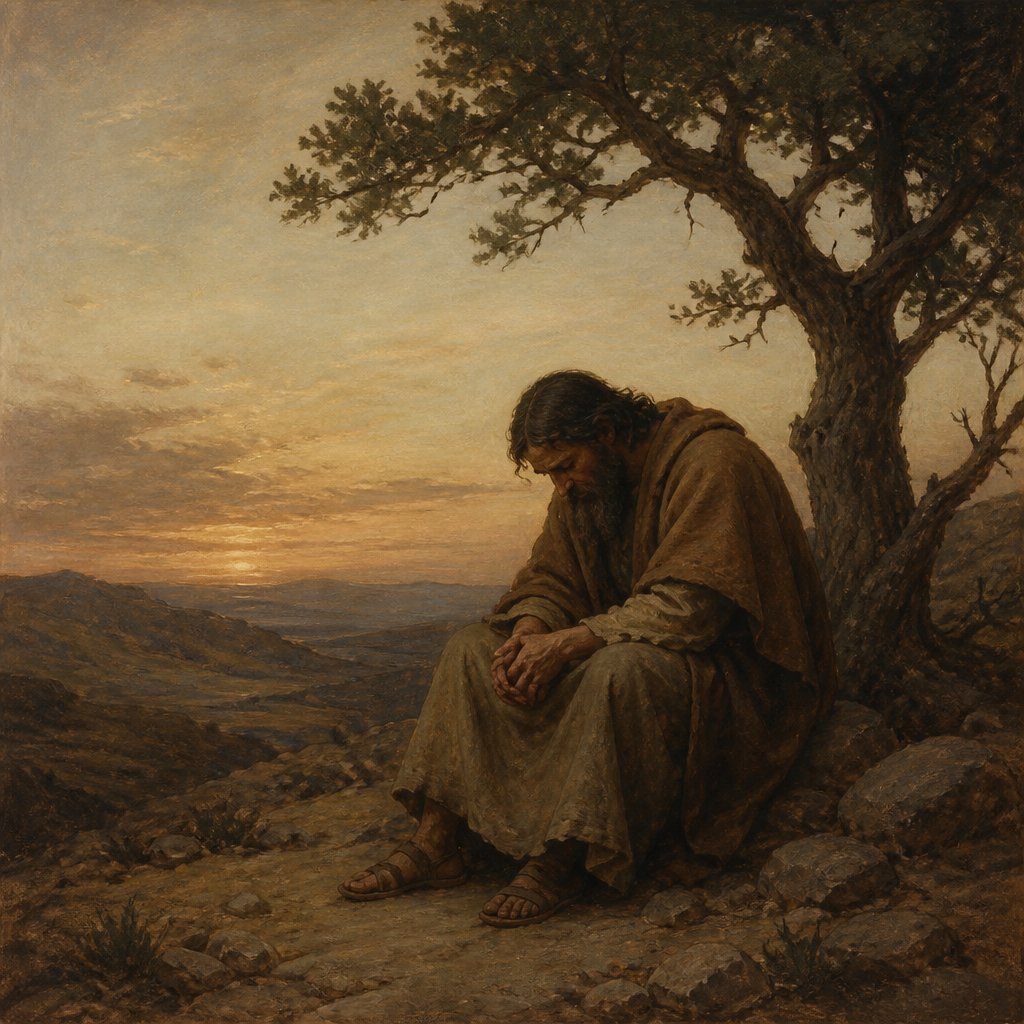
The narrative surrounding 1 Kings 19:4 is steeped in the profound complexities of human emotions, mental strains, and the quest for divine presence in the face of despair. Here we find the prophet Elijah, a towering figure in the annals of Israel's spiritual journey, grappling with intense discouragement after his monumental victory over the prophets of Baal. Having witnessed the empowerment of God’s might, one would expect Elijah to carry a spirit buoyed by immense faith. Rather, we encounter a man consumed by exhaustion, despair, and loneliness, seeking escape from what feels like an insurmountable burden.
Elijah journeys a day into the wilderness and rests beneath a juniper tree—a setting that is rich with significance. The wilderness symbolizes isolation; it is a place removed from the vibrant energy of community and discipleship. In this stark, desolate land, Elijah confronts not only physical fatigue but also a deep longing for solace amidst his trials. His plea, “It is enough; now, O LORD, take away my life; for I am not better than my fathers,” encapsulates the heart-wrenching desperation he feels. It is a critical moment where the once-empowered prophet finds himself vulnerable, longing for death as a reprieve from the overwhelming challenges he faces.
Elijah’s request to die can be unsettling; it gives voice to a feeling that can resonate with many of us during our own low points. There are times in life when the burdens seem too heavy to bear, when hope feels like a distant echo, and when the promise of tomorrow seems dim. As we reflect on Elijah, we’re invited to examine the depth of our own struggles. It’s crucial to understand that even the most faithful believers can experience doubts and despair.
The weight of emotional turmoil drove Elijah into isolation, where he believed there was no one to understand or help him. This tendency to withdraw is common among those experiencing distress. Yet, while solitude in the wilderness can offer space for contemplation, it can also lead to the dangerous thoughts of hopelessness—as we see with Elijah. This moment serves as a gentle reminder that seeking community and fellowship during tough times is crucial.
In the depths of his despair, Elijah fails to recognize something significant about God: He is a God who meets us in our wilderness. The very next verses reveal God’s compassionate response to Elijah. Instead of reprimanding him for his lack of faith, God sends an angel to provide physical sustenance and encouragement. This illustrates how God sees us, understands our struggles, and responds with kindness and provision even when we feel abandoned and defeated. God's care and concern extend to our emotional and physical states, emphasizing that our feelings matter to Him.
Moreover, Elijah’s cry for death reflects a belief that he had reached the limit of his capabilities. He felt he had failed in his mission; he compared himself to his fathers and deemed himself unworthy. In our walk with God, it is essential to recognize that our worth is not measured by our successes or failures, but it is anchored in God’s unshakeable love and grace.
In prayer, we can express our frustrations, doubts, and desires, just as Elijah did. Yet, even in those moments of despair, we are invited to come back to the truth of God’s promises. Like Elijah, we can seek rest in God, allowing Him to restore our weary souls. As we navigate our own wilderness seasons, we must lean on the truth that God walks with us, even when we can’t feel His presence.
Thus, when the weight of the wilderness feels too heavy, let us remember that it is in our vulnerability that God’s strength shines through. Instead of asking for escape, let our prayers be for understanding, strength, and the courage to rise anew. God will meet us, as He met Elijah, with sustenance for our journeys and a reminder that He is ever-present—renewing our hope and preparing us for what lies ahead.
Want to reflect more on 1 Kings 19:4?
Continue your spiritual journey with Bible Chat — an AI-powered tool for exploring God's Word through conversation. Ask questions, discover connections, and deepen your understanding.
Get Our Apps


1 Kings 19:4 Artwork

1 Kings 19:4 - "¶ But he himself went a day's journey into the wilderness, and came and sat down under a juniper tree: and he requested for himself that he might die; and said, It is enough; now, O LORD, take away my life; for I am not better than my fathers."
"¶ But he himself went a day's journey into the wilderness, and came and sat down under a juniper tree: and he requested for himself that he might die; and said, It is enough; now, O LORD, take away my life; for I am not better than my fathers." - 1 Kings 19:4
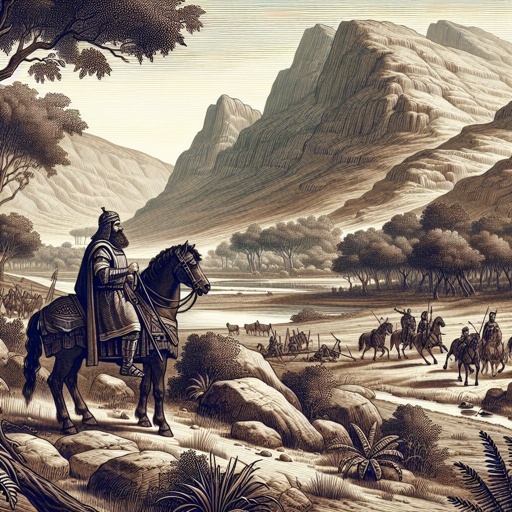
1 Kings 4:19 - "Geber the son of Uri was in the country of Gilead, in the country of Sihon king of the Amorites, and of Og king of Bashan; and he was the only officer which was in the land."

1 Kings 19:1-18

2 Kings 19:2

2 Kings 19:2

1 kings 22:19

2 Kings 19:2

Philippians 4:19

1 Kings 4:1 - "So king Solomon was king over all Israel."

1 Kings 3:19 - "And this woman's child died in the night; because she overlaid it."

1 Kings 14:19 - "And the rest of the acts of Jeroboam, how he warred, and how he reigned, behold, they are written in the book of the chronicles of the kings of Israel."

Psalm 19:3-4

1 Kings 12:19 - "So Israel rebelled against the house of David unto this day."

2 Kings 4:19 - "And he said unto his father, My head, my head. And he said to a lad, Carry him to his mother."

Philippians 4:19, mature spirituality

1 Kings 4:4 - "And Benaiah the son of Jehoiada was over the host: and Zadok and Abiathar were the priests:"

1 Kings 1:4 - "And the damsel was very fair, and cherished the king, and ministered to him: but the king knew her not."

1 peter 4:12-19

1 Kings 6:19 - "And the oracle he prepared in the house within, to set there the ark of the covenant of the LORD."

Philippians 4:19 god will provide

1 Kings 4:18 - "Shimei the son of Elah, in Benjamin:"

1 Kings 4:17 - "Jehoshaphat the son of Paruah, in Issachar:"
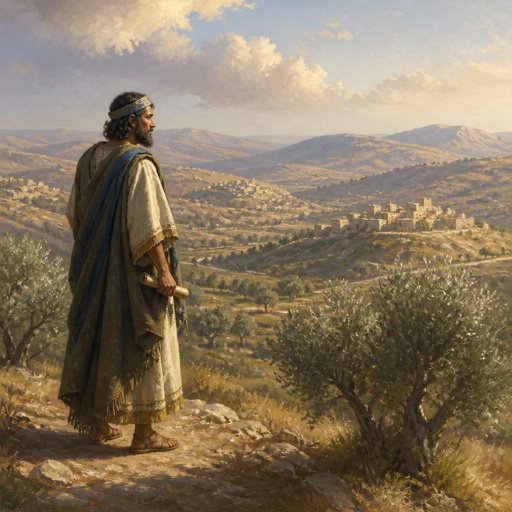
"Geber the son of Uri was in the country of Gilead, in the country of Sihon king of the Amorites, and of Og king of Bashan; and he was the only officer which was in the land." - 1 Kings 4:19

1 Kings 19:12 - "And after the earthquake a fire; but the LORD was not in the fire: and after the fire a still small voice."

1 Kings 19:1 - "And Ahab told Jezebel all that Elijah had done, and withal how he had slain all the prophets with the sword."

1 Kings 4:8 - "And these are their names: The son of Hur, in mount Ephraim:"

1 Kings 4:14 - "Ahinadab the son of Iddo had Mahanaim:"

1 Kings 4:16 - "Baanah the son of Hushai was in Asher and in Aloth:"

1 Kings 7:19 - "And the chapiters that were upon the top of the pillars were of lily work in the porch, four cubits."