The Power of Prayer and Posture
"So Ahab went up to eat and to drink. And Elijah went up to the top of Carmel; and he cast himself down upon the earth, and put his face between his knees," - 1 Kings 18:42
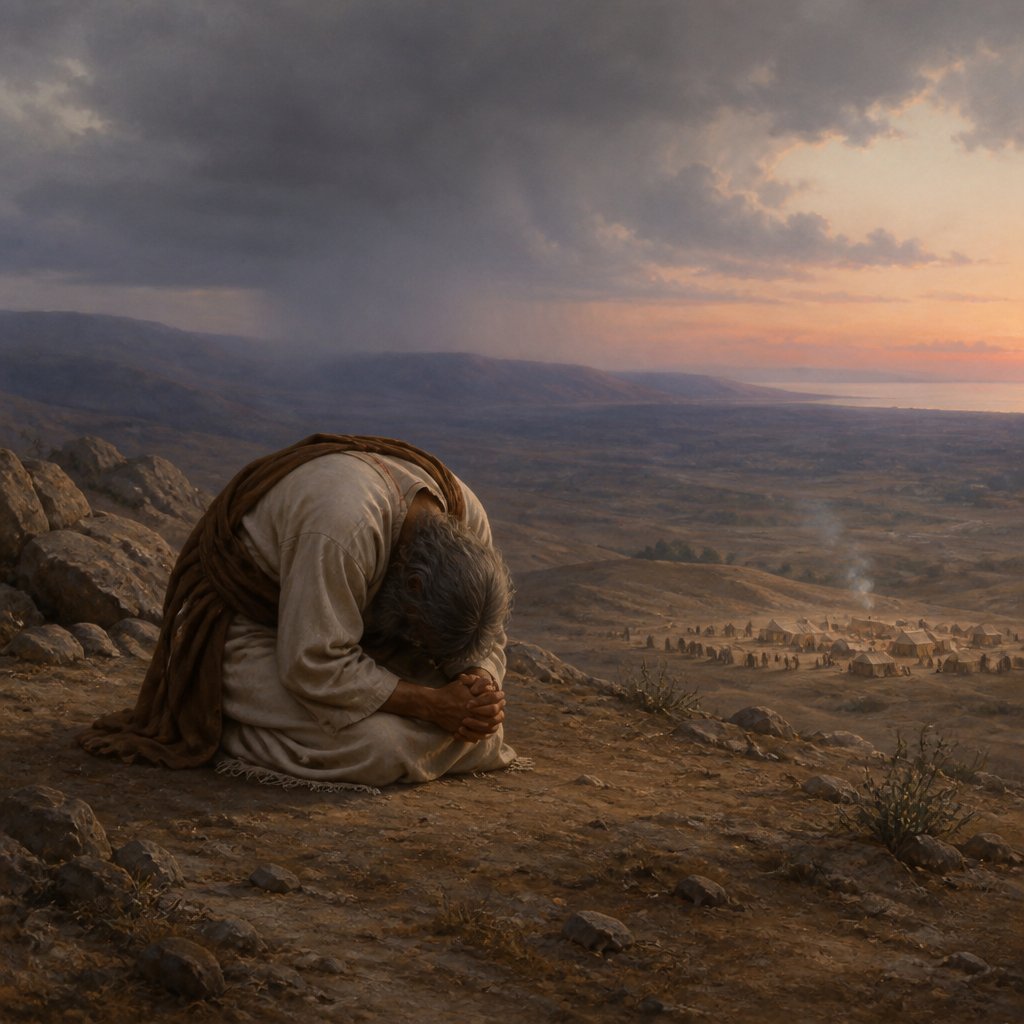
1 Kings 18:42 reads, "So Ahab went up to eat and to drink. And Elijah went up to the top of Carmel; and he cast himself down upon the earth, and put his face between his knees." This verse presents a profound moment in biblical history, illustrating the vital relationship between posture, prayer, and divine intervention.
At this juncture in the narrative, Israel had endured a profound drought, a judgment brought on by idolatry and the rejection of the one true God. Elijah, as God’s prophet, stood in a pivotal position. He had just challenged the prophets of Baal, showcasing God’s supremacy through divine fire. Yet, in this moment, it’s not the dramatic displays that we see repeated; rather, it is the quiet intensity of Elijah in prayer that commands our attention.
When we consider the actions of Ahab and Elijah juxtaposed in this verse, we can glean essential lessons about our spiritual posture during times of crisis. Ahab, though he faced the same drought, chose to indulge in the comforts of food and drink. This reflects a tendency that many people fall into when faced with trouble: to indulge in worldly comforts instead of seeking spiritual intervention. In contrast, Elijah’s response is markedly different.
The text tells us that Elijah "went up to the top of Carmel," a place associated with prior declarations of God’s sovereignty. It is significant that he ascends a mountain, a biblical symbol for closeness to God, elevation in spirit, and divine revelation. Elijah’s climb can be seen as an act of faith that places him in a position to receive God’s answers. It reminds us that in our own spiritual journey, we must actively seek elevation - spiritually, mentally, and emotionally - especially when confronting immense challenges or despair.
Upon reaching Mount Carmel, Elijah didn’t prepare a feast or gather others for counsel. Instead, he "cast himself down upon the earth" and put his face between his knees. This act presents several layers of meaning. Firstly, to cast oneself down signifies humility – a profound recognition of one’s need for God. When we humble ourselves before the Lord, we acknowledge that we are powerless without His intervention.
Putting his face between his knees further symbolizes a position of intense prayer and supplication. It demonstrates an earnestness in seeking God’s guidance and favor. This physical posture shows us that the act of praying is not merely about the words we speak but also about the disposition of our hearts and bodies. Elkijah's posture was one of desperation, laying everything bare before God.
As we meditate on this passage, we are prompted to assess our own prayers. Do our physical postures reflect genuine humility and earnestness? Or do we approach God casually while the storms rage around us? In moments when the odds feel insurmountable, like Elijah, we may need to retreat from the noise of Ahab’s world—filled with distractions and indulgences—and fall earnestly before God, seeking revival not just in our circumstances but in our spirits.
It is important to recognize that Elijah's prayer was not a one-time plea but an act of persistent faith. After positioning himself in prayer, he sent his servant to check for rain—indicating trust in God’s response despite the lack of immediate evidence. As believers, we must adopt this same stance of perseverance in prayer, faithful that God will respond in His perfect timing.
Ultimately, Elijah's moment of fervent prayer led to divine action; it ignited the clouds that would bring the much-needed rain. Thus, we are reminded that humility in prayer, rising to meet God, positioning ourselves in faith, is where the power of spiritual life lies. As we navigate our own periods of drought, may we remember to cast ourselves down before the Lord, bringing our needs and supplications with earnest hearts, trusting that He hears us and answers according to His will.
Want to reflect more on 1 Kings 18:42?
Continue your spiritual journey with Bible Chat — an AI-powered tool for exploring God's Word through conversation. Ask questions, discover connections, and deepen your understanding.
Get Our Apps


1 Kings 18:42 Artwork
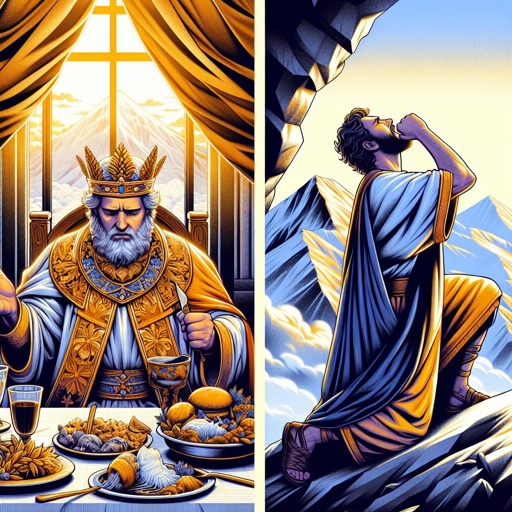
1 Kings 18:42 - "So Ahab went up to eat and to drink. And Elijah went up to the top of Carmel; and he cast himself down upon the earth, and put his face between his knees,"
"So Ahab went up to eat and to drink. And Elijah went up to the top of Carmel; and he cast himself down upon the earth, and put his face between his knees," - 1 Kings 18:42

1 Kings 11:42 - "And the time that Solomon reigned in Jerusalem over all Israel was forty years."

1 Kings 19:1-18

1 Kings 1:42 - "And while he yet spake, behold, Jonathan the son of Abiathar the priest came: and Adonijah said unto him, Come in; for thou art a valiant man, and bringest good tidings."
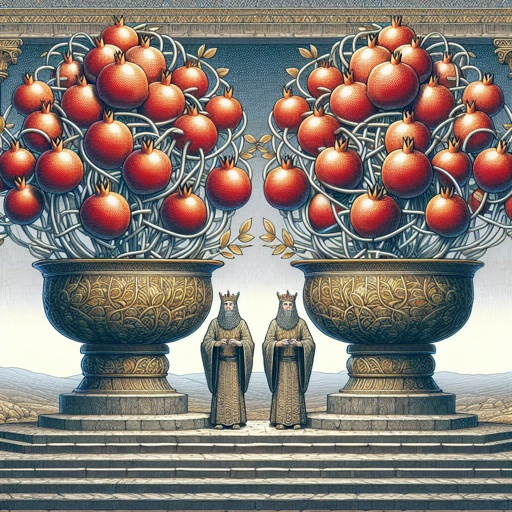
1 Kings 7:42 - "And four hundred pomegranates for the two networks, even two rows of pomegranates for one network, to cover the two bowls of the chapiters that were upon the pillars;"
1 Kings 8:42 - "(For they shall hear of thy great name, and of thy strong hand, and of thy stretched out arm;) when he shall come and pray toward this house;"

1 Kings 4:18 - "Shimei the son of Elah, in Benjamin:"

1 Kings 9:18 - "And Baalath, and Tadmor in the wilderness, in the land,"

2 Kings 1:18 - "Now the rest of the acts of Ahaziah which he did, are they not written in the book of the chronicles of the kings of Israel?"

1 Kings 1:18 - "And now, behold, Adonijah reigneth; and now, my lord the king, thou knowest it not:"

1 Kings 22:42 - "Jehoshaphat was thirty and five years old when he began to reign; and he reigned twenty and five years in Jerusalem. And his mother's name was Azubah the daughter of Shilhi."
"And the time that Solomon reigned in Jerusalem over all Israel was forty years." - 1 Kings 11:42

1 Kings 10:18 - "¶ Moreover the king made a great throne of ivory, and overlaid it with the best gold."

Ezekiel 42:18 - "He measured the south side, five hundred reeds, with the measuring reed."

Isaiah 42:18 - "Hear, ye deaf; and look, ye blind, that ye may see."

1 Kings 2:18 - "And Bath-sheba said, Well; I will speak for thee unto the king."

Elijah in the scene 1 Kings 18:36–38

1 Kings 18:2 - "And Elijah went to shew himself unto Ahab. And there was a sore famine in Samaria."

Genesis 42:18 - "And Joseph said unto them the third day, This do, and live; for I fear God:"

1 Kings 18:35 - "And the water ran round about the altar; and he filled the trench also with water."

1 Kings 18:11 - "And now thou sayest, Go, tell thy lord, Behold, Elijah is here."

1 Kings 18:18 - "And he answered, I have not troubled Israel; but thou, and thy father's house, in that ye have forsaken the commandments of the LORD, and thou hast followed Baalim."

"Shimei the son of Elah, in Benjamin:" - 1 Kings 4:18

"And Baalath, and Tadmor in the wilderness, in the land," - 1 Kings 9:18

Luke 18:42 - "And Jesus said unto him, Receive thy sight: thy faith hath saved thee."

1 Kings 18:16 - "So Obadiah went to meet Ahab, and told him: and Ahab went to meet Elijah."

1 Kings 6:18 - "And the cedar of the house within was carved with knops and open flowers: all was cedar; there was no stone seen."

1 Kings 18:8 - "And he answered him, I am: go, tell thy lord, Behold, Elijah is here."

1 Kings 18:41 - "¶ And Elijah said unto Ahab, Get thee up, eat and drink; for there is a sound of abundance of rain."