When the Fire Falls: Recognizing the True God
"And when all the people saw it, they fell on their faces: and they said, The LORD, he is the God; the LORD, he is the God." - 1 Kings 18:39
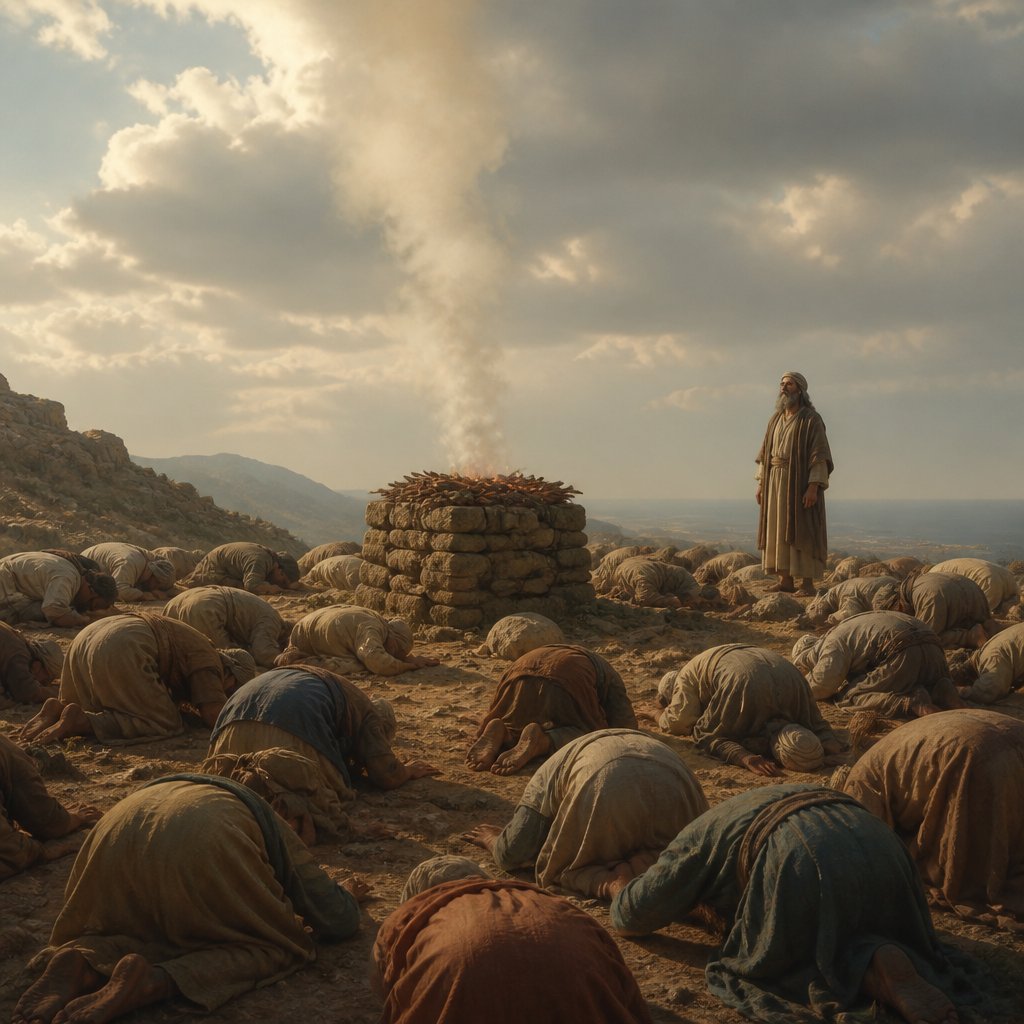
In 1 Kings 18:39, we witness a powerful moment of divine revelation: "And when all the people saw it, they fell on their faces: and they said, The LORD, he is the God; the LORD, he is the God." This proclamation comes after the dramatic showdown between the prophet Elijah and the prophets of Baal on Mount Carmel, where God demonstrates His supremacy in a spectacular fashion. This scene serves not only as a historical account but as a profound lesson for us today about the nature of true worship and the recognition of God’s sovereignty.
The backdrop of this verse is critical. Israel was in turmoil, caught in the throes of sin and idolatry, where the worship of the false god Baal had infiltrated their hearts and practices. Elijah's challenge was not merely to prove the existence of God but to call the people back to genuine faith and restoration. The phrase "when all the people saw it" signifies the moment of clear evidence: God's mighty act of consuming the sacrifice with fire from heaven, a matchless display of His power and authority.
This moment ignites a transformation in the hearts of the Israelites. They weren't just witnessing a miracle; they were having their spiritual eyes opened. They fell on their faces in humble acknowledgment of God's lordship, recognizing the futility of their previous allegiances. This is a crucial element of our journey of faith—understanding that the power of God is often revealed in ways that challenge our beliefs and priorities. When confronted with the reality of God, as the Israelites were, our only fitting response is utter surrender.
Elijah’s actions leading up to this moment were critical. He had boldly called out the prophets of Baal, confident in the power of his God. His prayer was earnest and directed towards the heart of God, declaring, "The LORD, he is the God; the LORD, he is the God." This reiteration was not merely a chant but a declaration of ownership over the hearts of the people, a call to recommit to the covenant that had been forgotten. Herein lies an essential lesson: true worship is not a passive act; it involves engagement, a decision to align oneself with the truth of God’s presence.
The weight of this proclamation reverberates through generations. How often do we, in our own lives, find ourselves drawn into distractions, worshiping at the altars of modern-day Baals—a relentless pursuit of success, materialism, or social acceptance? In our day, we need to recognize that the same God who consumed the sacrifice on Mount Carmel desires to show Himself powerful in our lives. But first, we must be willing to confront the idols we allow to occupy the space that rightfully belongs to Him.
When we acknowledge God for who He truly is, we, like the Israelites, are compelled to fall on our faces in worship. We recognize that we are not the center of the universe; that honor belongs to God alone. Our acceptance of His sovereignty leads us to profound change and an authentic return to His ways. It is not just about acknowledging God’s power; it is also about letting that power transform our lives.
As we reflect on this passage, let us invite the fire of the Holy Spirit to fall upon us. Let us examine our hearts and identify anything that stands in opposition to a true relationship with God. The promise of His presence remains; the call to recognize Him as the one true God is ever relevant. May we, too, declare with genuine hearts, "The LORD, he is the God!" —embracing His call to worship with authenticity and fervor.
Let us pray:
Heavenly Father, we come before You acknowledging Your greatness. Help us to recognize the idols in our lives and to lay them down. May our hearts be turned toward You, and may we be transformed by the recognition of Your power and presence. Burn away our doubts and fill us with a desire to worship You alone. In Jesus’ name, we pray, Amen.
Want to reflect more on 1 Kings 18:39?
Continue your spiritual journey with Bible Chat — an AI-powered tool for exploring God's Word through conversation. Ask questions, discover connections, and deepen your understanding.
Get Our Apps


1 Kings 18:39 Artwork

1 Kings 18:39 - "And when all the people saw it, they fell on their faces: and they said, The LORD, he is the God; the LORD, he is the God."
"And when all the people saw it, they fell on their faces: and they said, The LORD, he is the God; the LORD, he is the God." - 1 Kings 18:39

1 Kings 11:39 - "And I will for this afflict the seed of David, but not for ever."

1 Kings 22:39 - "Now the rest of the acts of Ahab, and all that he did, and the ivory house which he made, and all the cities that he built, are they not written in the book of the chronicles of the kings of Israel?"

1 Kings 1:39 - "And Zadok the priest took an horn of oil out of the tabernacle, and anointed Solomon. And they blew the trumpet; and all the people said, God save king Solomon."

"And I will for this afflict the seed of David, but not for ever." - 1 Kings 11:39

1 Kings 19:1-18

1 Kings 3:9

1 Kings 4:18 - "Shimei the son of Elah, in Benjamin:"

1 Kings 9:18 - "And Baalath, and Tadmor in the wilderness, in the land,"

2 Kings 1:18 - "Now the rest of the acts of Ahaziah which he did, are they not written in the book of the chronicles of the kings of Israel?"

1 Kings 1:18 - "And now, behold, Adonijah reigneth; and now, my lord the king, thou knowest it not:"
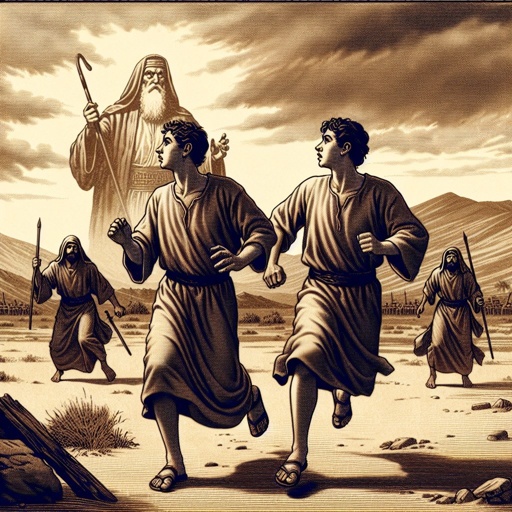
1 Kings 2:39 - "And it came to pass at the end of three years, that two of the servants of Shimei ran away unto Achish son of Maachah king of Gath. And they told Shimei, saying, Behold, thy servants be in Gath."
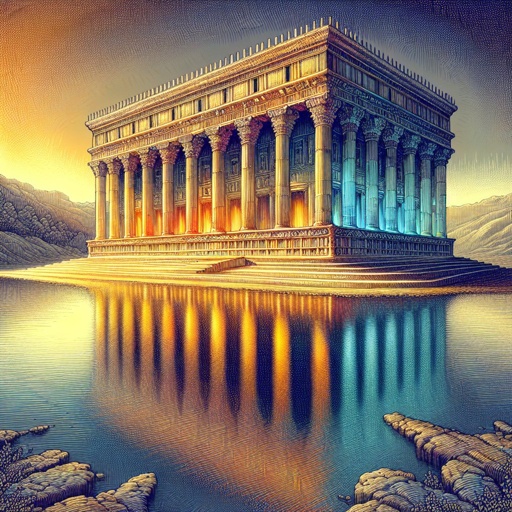
1 Kings 7:39 - "And he put five bases on the right side of the house, and five on the left side of the house: and he set the sea on the right side of the house eastward over against the south."

1 Kings 10:18 - "¶ Moreover the king made a great throne of ivory, and overlaid it with the best gold."

1 Kings 2:18 - "And Bath-sheba said, Well; I will speak for thee unto the king."

Elijah in the scene 1 Kings 18:36–38

1 Kings 18:2 - "And Elijah went to shew himself unto Ahab. And there was a sore famine in Samaria."

1 Kings 18:35 - "And the water ran round about the altar; and he filled the trench also with water."

1 Kings 18:11 - "And now thou sayest, Go, tell thy lord, Behold, Elijah is here."

1 Kings 18:18 - "And he answered, I have not troubled Israel; but thou, and thy father's house, in that ye have forsaken the commandments of the LORD, and thou hast followed Baalim."

"Shimei the son of Elah, in Benjamin:" - 1 Kings 4:18

"And Baalath, and Tadmor in the wilderness, in the land," - 1 Kings 9:18
1 Kings 8:39 - "Then hear thou in heaven thy dwelling place, and forgive, and do, and give to every man according to his ways, whose heart thou knowest; (for thou, even thou only, knowest the hearts of all the children of men;)"

1 Kings 18:16 - "So Obadiah went to meet Ahab, and told him: and Ahab went to meet Elijah."

1 Kings 6:18 - "And the cedar of the house within was carved with knops and open flowers: all was cedar; there was no stone seen."

Job 39:18 - "What time she lifteth up herself on high, she scorneth the horse and his rider."

1 Kings 18:8 - "And he answered him, I am: go, tell thy lord, Behold, Elijah is here."

1 Kings 18:41 - "¶ And Elijah said unto Ahab, Get thee up, eat and drink; for there is a sound of abundance of rain."

1 Kings 18:3 - "And Ahab called Obadiah, which was the governor of his house. (Now Obadiah feared the LORD greatly:"