Walking in the Shadows: The Legacy of Sin
"And he did evil in the sight of the LORD, and walked in the way of his father, and in his sin wherewith he made Israel to sin." - 1 Kings 15:26

When we delve into the pages of 1 Kings 15:26, we encounter a sobering reflection on the life of King Nadab of Israel, whose reign came as part of a tumultuous era in the chronicles of God’s people. The scripture states: "And he did evil in the sight of the LORD, and walked in the way of his father, and in his sin wherewith he made Israel to sin." This verse serves as a cautionary tale for those navigating the complexities of leadership, legacy, and moral integrity.
To understand the weight of Nadab's actions, we must first examine the context in which he ruled. Following his father, Jeroboam, Nadab inherited not only a kingdom but also a legacy tarnished by rebellion against God. Jeroboam's reign was marked by idolatry and the introduction of practices that went against the commandments of the Lord. Nadab’s choice to walk in his father's sinful footsteps is a critical reminder that our choices do not exist in a vacuum; they often reflect the patterns established by those who came before us.
Walking in the way of his father symbolizes the acceptance of a morally compromised path. Nadab’s actions speak to a broader human tendency to normalize what is inherently wrong, especially when it comes to familial or societal influences. It prompts us to reflect on our own lives: Are we blind to the traditions or habits passed down to us that may be misaligned with God’s will? Are we too quick to follow the established path of our predecessors, even when it leads us away from righteousness?
The phrase “and in his sin wherewith he made Israel to sin” underscores the grave impact of individual choices on the collective. Nadab didn’t sin in isolation; his actions had ripple effects throughout the entire nation. This is a profound reminder of the responsibility that comes with leadership. Each decision, each compromise, is a thread that weaves into the larger tapestry of community. It begs the question: How do our actions influence those around us? Are we leading them towards God, or away from Him?
In our contemporary lives, we may not wear a crown, but we wield influence in varying capacities—be it as parents, teachers, friends, or colleagues. Our decisions, whether good or bad, send echoes through the lives of those we impact. We must be diligent in choosing paths that reflect Christ’s love and righteousness. We can transform legacies of sin into legacies of faith—wherein we implement changes and seek God's guidance actively.
Furthermore, Nadab's story encapsulates the importance of personal accountability in one's relationship with God. Just because we come from a certain background or family does not determine our spiritual destiny. Each one of us stands before God individually and is called to seek Him earnestly. Consequently, Nadab’s choices serve as a solemn reminder of failing to pursue a personal relationship with the Lord. We cannot allow the weight of familial or cultural expectations to overshadow our commitment to God’s word and His commandments.
In this age, as we strive to navigate our paths, it is crucial to diligently examine the directions we are taking. Are they aligned with the heart of God? Are there sins in our lives that we normalize because they have been part of our legacy? Let us be courageous and intentional in redirection, to inspire not just ourselves but also those around us toward faithfulness and truth.
Nadab's life in 1 Kings 15:26 isn’t just a narrative about a king; it’s a poignant reminder that we all have the choice to break free from legacies of sin and redefine our paths with God’s help. We can earnestly seek to cultivate a legacy that glorifies God—a legacy marked by faithfulness, righteousness, and a contagious love born out of our relationship with Jesus Christ.
Want to reflect more on 1 Kings 15:26?
Continue your spiritual journey with Bible Chat — an AI-powered tool for exploring God's Word through conversation. Ask questions, discover connections, and deepen your understanding.
Get Our Apps


1 Kings 15:26 Artwork

1 Kings 15:26 - "And he did evil in the sight of the LORD, and walked in the way of his father, and in his sin wherewith he made Israel to sin."

"And he did evil in the sight of the LORD, and walked in the way of his father, and in his sin wherewith he made Israel to sin." - 1 Kings 15:26

2 Kings 15:26 - "And the rest of the acts of Pekahiah, and all that he did, behold, they are written in the book of the chronicles of the kings of Israel."

1 Kings 14:26
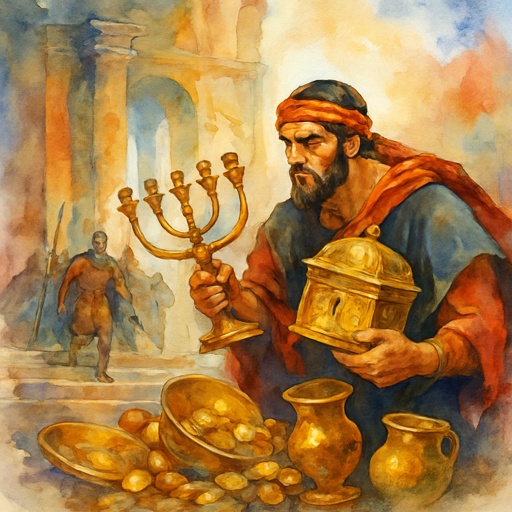
1 Kings 14:26

John 15:26 NLT

1 Corinthians 15:26 - "The last enemy that shall be destroyed is death."

1 kings 3:15

1 kings 3:15

"And the rest of the acts of Pekahiah, and all that he did, behold, they are written in the book of the chronicles of the kings of Israel." - 2 Kings 15:26

1 Chronicles 26:15 - "To Obed-edom southward; and to his sons the house of Asuppim."

1 Kings 6:26 - "The height of the one cherub was ten cubits, and so was it of the other cherub."

1 Kings 15:31 - "¶ Now the rest of the acts of Nadab, and all that he did, are they not written in the book of the chronicles of the kings of Israel?"

1 Kings 10:15 - "Beside that he had of the merchantmen, and of the traffick of the spice merchants, and of all the kings of Arabia, and of the governors of the country."

1 Kings 12:26 - "And Jeroboam said in his heart, Now shall the kingdom return to the house of David:"

1 Kings 15:1 - "Now in the eighteenth year of king Jeroboam the son of Nebat reigned Abijam over Judah."

1 Kings 4:26 - "¶ And Solomon had forty thousand stalls of horses for his chariots, and twelve thousand horsemen."

1 Kings 1:26 - "But me, even me thy servant, and Zadok the priest, and Benaiah the son of Jehoiada, and thy servant Solomon, hath he not called."

1 Kings 22:26 - "And the king of Israel said, Take Micaiah, and carry him back unto Amon the governor of the city, and to Joash the king's son;"

1 Timothy 6:15-16 – "God, the blessed and only Ruler, the King of kings and Lord of lords."

1 Kings 15:32 - "And there was war between Asa and Baasha king of Israel all their days."

1 Kings 15:16 - "¶ And there was war between Asa and Baasha king of Israel all their days."

1 Kings 11:1-5

1 Timothy 6:15-16 – "God, the blessed and only Ruler, the King of kings and Lord of lords."

1 Timothy 6:15-16 – "God, the blessed and only Ruler, the King of kings and Lord of lords."
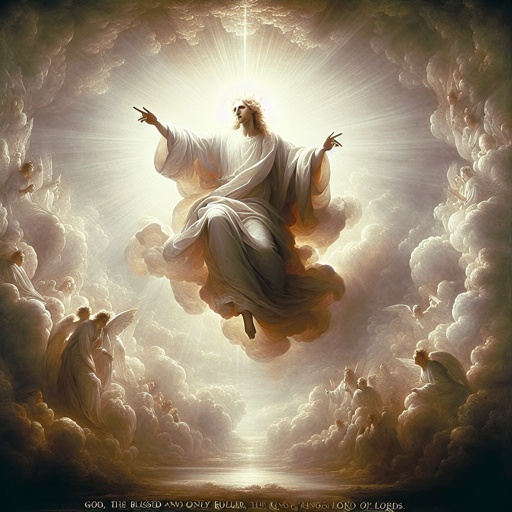
1 Timothy 6:15-16 – "God, the blessed and only Ruler, the King of kings and Lord of lords."

1 Kings 1:15 - "¶ And Bath-sheba went in unto the king into the chamber: and the king was very old; and Abishag the Shunammite ministered unto the king."

1 Kings 15:9 - "¶ And in the twentieth year of Jeroboam king of Israel reigned Asa over Judah."

1 Timothy 6:15-16 – "God, the blessed and only Ruler, the King of kings and Lord of lords."

1 Kings 15:7 - "Now the rest of the acts of Abijam, and all that he did, are they not written in the book of the chronicles of the kings of Judah? And there was war between Abijam and Jeroboam."