Remembering Our Roots: The Legacy of Maachah
"Three years reigned he in Jerusalem. And his mother's name was Maachah, the daughter of Abishalom." - 1 Kings 15:2

As we delve into the significance of 1 Kings 15:2, we find ourselves invited into a narrative filled with familial ties, historical insight, and spiritual reflection. The verse states, "Three years reigned he in Jerusalem. And his mother's name was Maachah, the daughter of Abishalom." This simple yet profound verse opens a door for us to explore the concept of legacy and identity through the lens of biblical history.
In this account, King Abijam, the subject of this verse, ruled for three years in Jerusalem. His reign, though short-lived, is marked by his lineage, particularly through his mother, Maachah. What does it mean when the Holy Scripture specifically highlights her name? In Biblical times, lineage carried immense weight; genealogies were not only about physical descent but often reflected the character, sins, and virtues of those ancestors. Maachah was the daughter of Abishalom, which connects Abijam even further into a distinctive heritage.
Maachah’s identity leans on the value of maternal influence. In many biblical narratives, mothers are not merely background figures; they are pivotal to the story and spiritual trajectory of their children. Maachah's role as Abijam's mother invites us to reflect on the impact a parent has on their child's reign—not just in power, but in faith and moral compass. Her influence would shape not just Abijam’s decisions but also the spiritual landscape of his leadership.
The legacy of Maachah raises questions for each of us. What kind of spiritual heritage have we inherited? What influences are we allowing to shape us? Though Abijam's reign lasted only three years, the imprint of Maachah's faith and actions potentially reached far beyond the confines of his kingship. She is symbolic of the complex interplay of nurturing, culture, and spirituality in shaping a leader's journey.
Let’s consider the lineage in our lives. Often, we trace our family ties back to certain characteristics or struggles—generational traits that either hinder or help our spiritual walk. As contemporary followers of Christ, we must assess our roots. Like Maachah’s influence in the Old Testament, we have the chance to cultivate a legacy that is steeped in faithfulness and righteousness. Whether through prayer, guidance, or moral teaching, our actions can profoundly impact future generations.
Moreover, while Maachah comes from a line of notable family connections, the context of her influence is important. It’s worth noting that during Abijam’s reign, Israel was marked by moral decline and idolatry. This deterioration arose partially from alliances and behaviors instilled by family influences and the larger culture of the nation.
As we reflect on 1 Kings 15:2, let us assess our influences and choices. Are we perpetuating a legacy of faith, or are we succumbing to the pressures of cultural landscapes that lead us away from God? History is replete with tales of both godly and ungodly influences in leadership, and each serves as a warning and an encouragement. We must actively choose to weave in prayer, biblical truth, and steadfast love into the fabric of our own stories, thereby ensuring our legacies honor God.
Finally, it is crucial to grasp that while Maachah was a daughter of Abishalom, we as believers are children of the King of Kings. We can break the chains of negative heritage and embrace a new lineage through our identity in Christ. This recognition empowers us to cultivate godly legacies marked by faithfulness, righteousness, and love.
In conclusion, as we meditate on the significance of Abijam’s brief reign and his mother Maachah’s influence, let us strive to celebrate God’s redemptive work in our lives. May our lives reflect an ongoing legacy rooted in the principles of God’s Word, inspiring those who come after us to seek His heart and walk in His ways.
Want to reflect more on 1 Kings 15:2?
Continue your spiritual journey with Bible Chat — an AI-powered tool for exploring God's Word through conversation. Ask questions, discover connections, and deepen your understanding.
Get Our Apps


1 Kings 15:2 Artwork

1 Kings 15:2 - "Three years reigned he in Jerusalem. And his mother's name was Maachah, the daughter of Abishalom."

"Three years reigned he in Jerusalem. And his mother's name was Maachah, the daughter of Abishalom." - 1 Kings 15:2

2 Kings 15:1 - "In the twenty and seventh year of Jeroboam king of Israel began Azariah son of Amaziah king of Judah to reign."

2 Kings 15:15 - "And the rest of the acts of Shallum, and his conspiracy which he made, behold, they are written in the book of the chronicles of the kings of Israel."

2 Kings 1:15 - "And the angel of the LORD said unto Elijah, Go down with him: be not afraid of him. And he arose, and went down with him unto the king."

2 Kings 3:15

2 Kings 3:15

2 Kings 3:15

2 Kings 15:11 - "And the rest of the acts of Zachariah, behold, they are written in the book of the chronicles of the kings of Israel."

1 kings 3:15
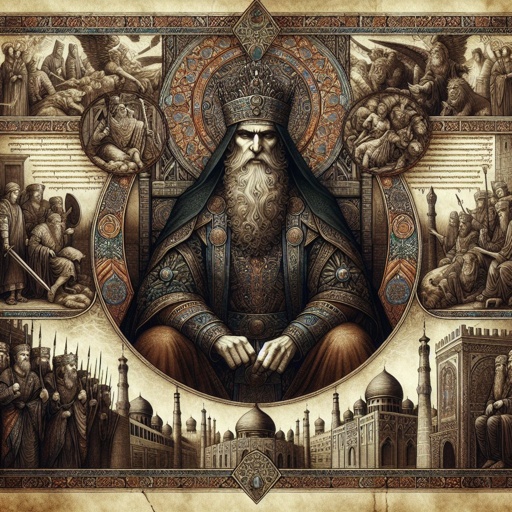
2 Kings 15:6 - "And the rest of the acts of Azariah, and all that he did, are they not written in the book of the chronicles of the kings of Judah?"

1 kings 3:15

2 Kings 15:21 - "¶ And the rest of the acts of Menahem, and all that he did, are they not written in the book of the chronicles of the kings of Israel?"

2 Kings 15:31 - "And the rest of the acts of Pekah, and all that he did, behold, they are written in the book of the chronicles of the kings of Israel."

2 Kings 15:36 - "¶ Now the rest of the acts of Jotham, and all that he did, are they not written in the book of the chronicles of the kings of Judah?"

2 Kings 15:26 - "And the rest of the acts of Pekahiah, and all that he did, behold, they are written in the book of the chronicles of the kings of Israel."

1 Kings 15:31 - "¶ Now the rest of the acts of Nadab, and all that he did, are they not written in the book of the chronicles of the kings of Israel?"

1 Kings 10:15 - "Beside that he had of the merchantmen, and of the traffick of the spice merchants, and of all the kings of Arabia, and of the governors of the country."

1 Kings 15:1 - "Now in the eighteenth year of king Jeroboam the son of Nebat reigned Abijam over Judah."

1 Kings 2:15 - "And he said, Thou knowest that the kingdom was mine, and that all Israel set their faces on me, that I should reign: howbeit the kingdom is turned about, and is become my brother's: for it was his from the LORD."

1 Timothy 6:15-16 – "God, the blessed and only Ruler, the King of kings and Lord of lords."

1 Kings 15:32 - "And there was war between Asa and Baasha king of Israel all their days."

1 Kings 15:16 - "¶ And there was war between Asa and Baasha king of Israel all their days."

1 Kings 11:1-5

1 Timothy 6:15-16 – "God, the blessed and only Ruler, the King of kings and Lord of lords."

1 Timothy 6:15-16 – "God, the blessed and only Ruler, the King of kings and Lord of lords."
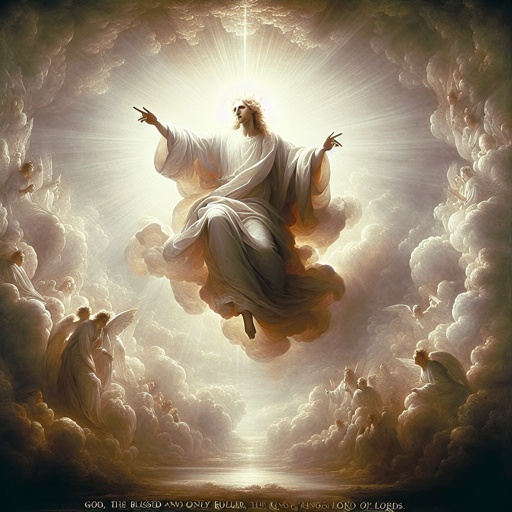
1 Timothy 6:15-16 – "God, the blessed and only Ruler, the King of kings and Lord of lords."

2 Kings 15:29 show the army and attack

2 Kings 15:2 - "Sixteen years old was he when he began to reign, and he reigned two and fifty years in Jerusalem. And his mother's name was Jecholiah of Jerusalem."

1 Kings 1:15 - "¶ And Bath-sheba went in unto the king into the chamber: and the king was very old; and Abishag the Shunammite ministered unto the king."