A Heart Perfect with the Lord: Lessons from Asa’s Reign
"But the high places were not removed: nevertheless Asa's heart was perfect with the LORD all his days." - 1 Kings 15:14

In the Old Testament, amidst kings and kingdoms, we find the reign of King Asa, a leader whose story encapsulates the tension between faithfulness to God and the insufficient removal of pagan practices in Israel. The verse from 1 Kings 15:14 reads, "But the high places were not removed: nevertheless Asa's heart was perfect with the LORD all his days." This tells us so much about Asa’s character, his spiritual journey, and ultimately, the heart of God.
As we delve into this verse, we first need to understand the significance of the high places. In ancient Israel, these were locations where idol worship and pagan sacrifices occurred, often in direct disobedience to God’s commandments. The Law unequivocally instructed the Israelites to worship in Jerusalem, where the Temple was located. Thus, the presence of these high places represented a divided loyalty—an allowance for worshipping other gods while still professing obedience to the One True God.
Asa ascended the throne during a tumultuous time marked by rampant idolatry and spiritual apathy. Early in his reign, he took decisive actions to reform the nation; he removed foreign idols, demolished sacred pillars, and reignited the people's worship of Yahweh. Asa’s zealous commitment indicates a heart that desired purity and earnest devotion to God. He was not just a reformer; he was a man of action, passionately seeking to bring his people back to the heart of God. However, despite his fervor and the reformative measures he undertook, the high places remained.
This presents a profound lesson in our walk of faith: complete transformation often requires more than just good intentions or partial reforms. It prompts us to ask ourselves—what are the high places in our lives? What practices, habits, or attitudes do we cling to that may not be inherently sinful but can detract from our devotedness to God? Asa's experience highlights a crucial insight: we can maintain a heart that is 'perfect' or wholly devoted to God while simultaneously struggling with areas that require deeper work.
The term "perfect" in this context does not imply sinless perfection. Instead, it implies a heart that is fully committed, loyal, and aligned with God's purposes. Asa's heart, despite the imperfections in his actions, was enamored with God. This realization brings comfort as we recognize that God evaluates our hearts, not merely our external actions. The pursuit of a perfect heart in God's eyes is evidenced through our relationship with Him, repentance, and consistency in seeking His will.
Asa knew the importance of acknowledging God in all areas of governance, civil life, and worship. His reign witnessed conflicts, miracles, and deep faith in God's promises. The notable instance of Asa relying on God during the war with Zerah the Ethiopian is a testament to his trust in divine intervention. This trust stemmed from the knowledge of who God is, manifested in his willingness to move forward with faith despite remaining high places.
Moreover, Asa's story serves as a reminder that even devoted believers can face challenges in their spiritual journey. It is easy to get discouraged when we see areas of our lives—or the lives of those around us—where full surrender to God hasn’t yet taken place. Our journey towards holiness may be riddled with high places that are difficult to confront or remove, yet God’s grace is sufficient. He desires a relationship built on integrity and faith, acknowledging our struggles while walking alongside us.
In conclusion, Asa stands as a compelling figure for believers. His life illustrates what it means to strive towards spiritual integrity while wrestling with human imperfection. May we seek to model Asa's attitude of devotion, pursuing a heart perfect with the Lord, while progressively working on those high places that impede our relationship with Him. Let us remember that the journey toward holiness is ongoing, and the chief focus must remain on a heart that seeks God earnestly amid our shortcomings.
Want to reflect more on 1 Kings 15:14?
Continue your spiritual journey with Bible Chat — an AI-powered tool for exploring God's Word through conversation. Ask questions, discover connections, and deepen your understanding.
Get Our Apps


1 Kings 15:14 Artwork

1 Kings 15:14 - "But the high places were not removed: nevertheless Asa's heart was perfect with the LORD all his days."

"But the high places were not removed: nevertheless Asa's heart was perfect with the LORD all his days." - 1 Kings 15:14

2 Kings 14:15 - "¶ Now the rest of the acts of Jehoash which he did, and his might, and how he fought with Amaziah king of Judah, are they not written in the book of the chronicles of the kings of Israel?"

1 Kings 14:26
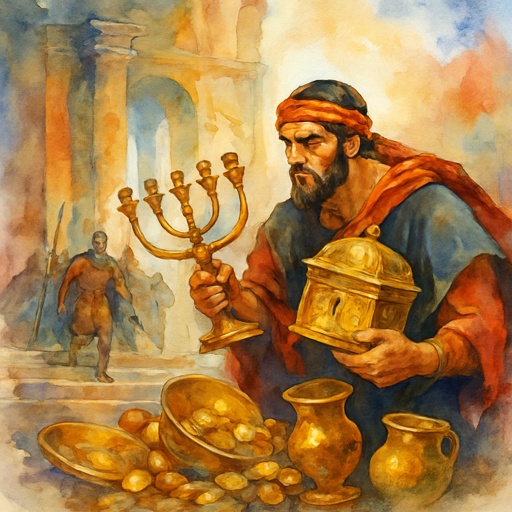
1 Kings 14:26

1 Kings 14:1-20

1 kings 3:15

1 kings 3:15

1 Kings 12:14

1 Kings 12:14

1 Kings 14:1 - "At that time Abijah the son of Jeroboam fell sick."

Luke 11:14-15

John 14:15-21

1 Kings 14:15 - "For the LORD shall smite Israel, as a reed is shaken in the water, and he shall root up Israel out of this good land, which he gave to their fathers, and shall scatter them beyond the river, because they have made their groves, provoking the LORD to anger."

1 Kings 15:31 - "¶ Now the rest of the acts of Nadab, and all that he did, are they not written in the book of the chronicles of the kings of Israel?"

1 Kings 10:15 - "Beside that he had of the merchantmen, and of the traffick of the spice merchants, and of all the kings of Arabia, and of the governors of the country."

1 Kings 9:14 - "And Hiram sent to the king sixscore talents of gold."

1 Kings 14:29 - "¶ Now the rest of the acts of Rehoboam, and all that he did, are they not written in the book of the chronicles of the kings of Judah?"

1 Kings 15:1 - "Now in the eighteenth year of king Jeroboam the son of Nebat reigned Abijam over Judah."

1 Kings 16:14 - "Now the rest of the acts of Elah, and all that he did, are they not written in the book of the chronicles of the kings of Israel?"

1 Kings 6:14 - "So Solomon built the house, and finished it."

1 Kings 4:14 - "Ahinadab the son of Iddo had Mahanaim:"

1 Timothy 6:15-16 – "God, the blessed and only Ruler, the King of kings and Lord of lords."

1 Kings 15:32 - "And there was war between Asa and Baasha king of Israel all their days."

1 Kings 15:16 - "¶ And there was war between Asa and Baasha king of Israel all their days."

1 Kings 11:1-5

1 Timothy 6:15-16 – "God, the blessed and only Ruler, the King of kings and Lord of lords."

1 Timothy 6:15-16 – "God, the blessed and only Ruler, the King of kings and Lord of lords."
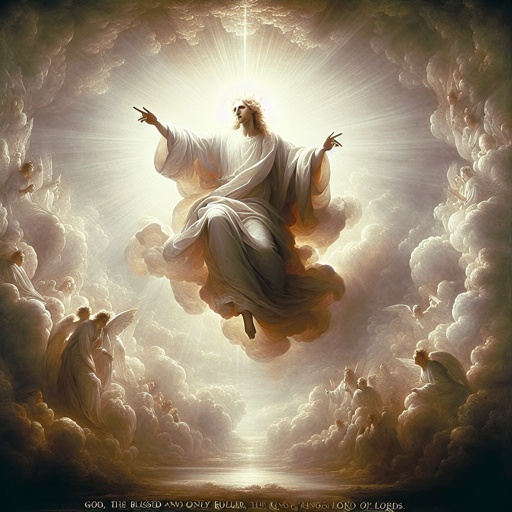
1 Timothy 6:15-16 – "God, the blessed and only Ruler, the King of kings and Lord of lords."

1 Kings 21:14 - "Then they sent to Jezebel, saying, Naboth is stoned, and is dead."