Consequences of Disobedience: A Reflection on 1 Kings 14:11
"Him that dieth of Jeroboam in the city shall the dogs eat; and him that dieth in the field shall the fowls of the air eat: for the LORD hath spoken it." - 1 Kings 14:11
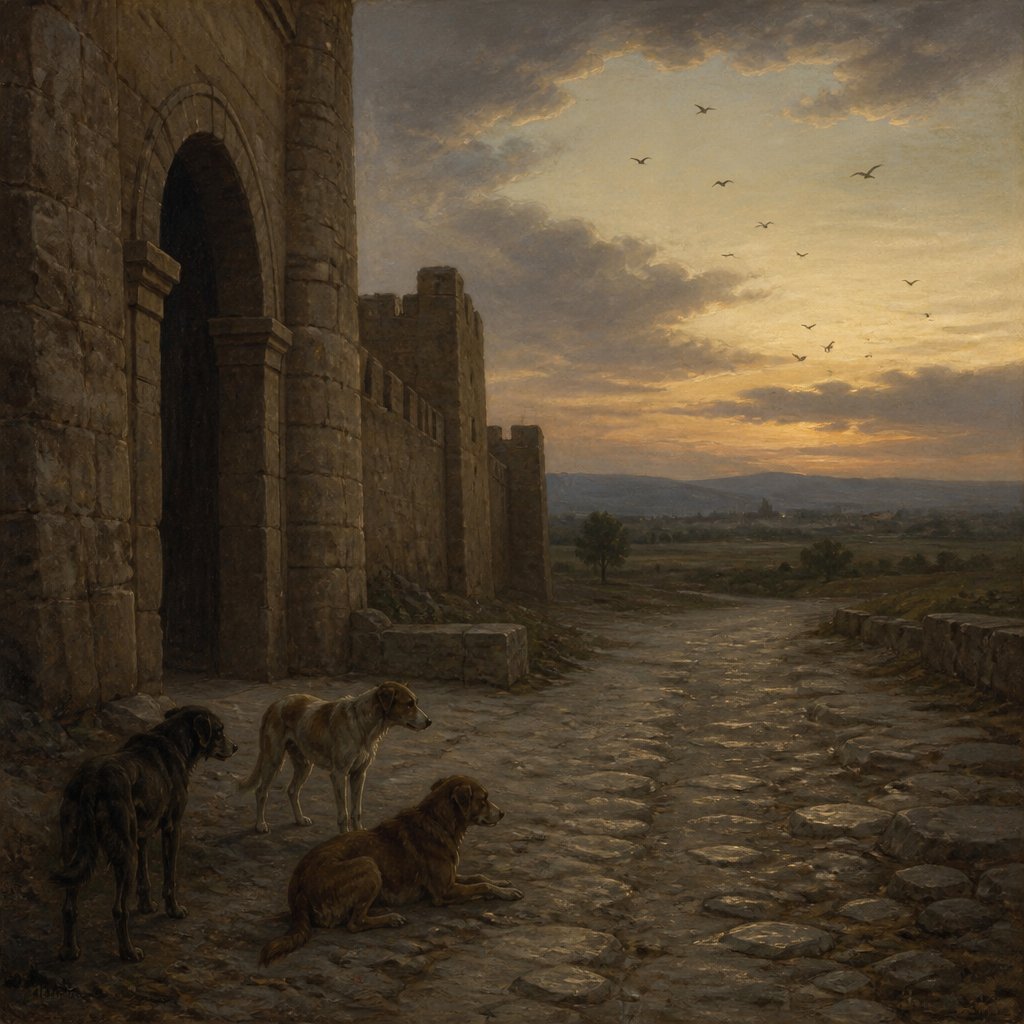
The verse 1 Kings 14:11 proclaims a grim message from God regarding King Jeroboam and his lineage: "Him that dieth of Jeroboam in the city shall the dogs eat; and him that dieth in the field shall the fowls of the air eat: for the LORD hath spoken it." This devout declaration serves as a poignant reminder of divine judgment shaped by the actions and choices of humanity.
To grasp the weight of this proclamation, we need to consider the context in which it was delivered. Jeroboam, upon rising to power as the first king of the northern kingdom of Israel, was faced with the monumental task of leading a divided nation. Instead of seeking guidance from the Lord, he established his own practices of worship by creating golden calves in Bethel and Dan. This decision to stray from God’s command and the worship prescribed in the Law was not merely a political miscalculation; it was a profound spiritual rebellion.
In essence, Jeroboam’s actions were driven by fear—fear that if his people returned to Jerusalem to worship at the temple, their loyalty to him would diminish. His solution was to create a distorted version of worship that satisfied his political ambitions but forsook the covenant God had established with His people. The weight of Jeroboam’s decisions extended beyond his reign, corrupting the spiritual lives of countless individuals and leading future generations away from devotion to Yahweh.
The consequences of Jeroboam’s choices are starkly reflected in the verse. The imagery of dogs and fowls consuming the bodies of those who die as a result of his wrongdoing signifies total disgrace and utter loss. In ancient Israel, to be denied a proper burial was one of the most profound humiliations imaginable. It conveyed that the deceased was utterly forsaken—cast aside not just in life but even in death. In the cultures surrounding Israel, proper burial rites were essential for ensuring peace in the afterlife. Thus, to have one’s remains treated in such a despicable way denotes severe divine disapproval.
This message is a chilling stark reflection of God’s character. He is just and cannot turn a blind eye to sin. As Jeroboam ignored his covenantal responsibilities, he also turned away from the gracious nature of God, failing to recognize that God desires relationship over ritual. The dire fate awaiting Jeroboam’s house serves as a testament to God’s unwavering holiness. When one chooses a path of rebellion against God’s commands, one must inevitably confront the repercussions of that rebellion.
In today’s context, we might not encounter golden calves, but we have our idols—those things that divert our attention from God and lead us into patterns of disobedience. It could be our careers, relationships, or the lure of cultural values that conflict with our faith. Just as God warned Jeroboam through the prophet Ahijah, He continues to call us back to Himself today. His desire is for us to align our lives with His will, to seek Him first in every aspect of our lives.
Moreover, this verse speaks to the generational implications of our choices. Jeroboam’s decisions did not affect only his immediate surroundings; his disobedience echoed through generations. As believers, we are encouraged to live in a manner that not only honors God but also safeguards the spiritual legacy we pass on to our children and those around us.
In conclusion, 1 Kings 14:11 is a stark reminder of God's judgment upon disobedience. May we heed this warning and evaluate our own lives. Are there areas where we, like Jeroboam, have succumbed to fear and compromise? Let us, through prayer and reflection, seek God’s guidance, allowing His Spirit to lead us in paths of righteousness. In doing so, we can ensure that the legacy we leave is one marked by faithfulness, integrity, and a reverent devotion to the Lord.
Want to reflect more on 1 Kings 14:11?
Continue your spiritual journey with Bible Chat — an AI-powered tool for exploring God's Word through conversation. Ask questions, discover connections, and deepen your understanding.
Get Our Apps


1 Kings 14:11 Artwork
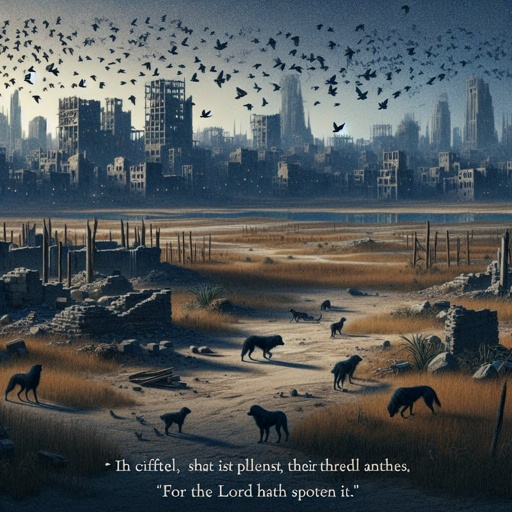
1 Kings 14:11 - "Him that dieth of Jeroboam in the city shall the dogs eat; and him that dieth in the field shall the fowls of the air eat: for the LORD hath spoken it."
"Him that dieth of Jeroboam in the city shall the dogs eat; and him that dieth in the field shall the fowls of the air eat: for the LORD hath spoken it." - 1 Kings 14:11

1 Kings 14:1-20

1 Kings 14:26
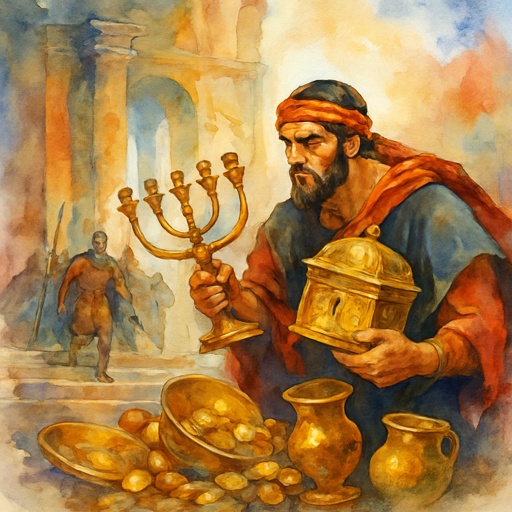
1 Kings 14:26

1 Kings 11:14 - "¶ And the LORD stirred up an adversary unto Solomon, Hadad the Edomite: he was of the king's seed in Edom."

1 Kings 11:11

1 Kings 11:11

1 Kings 11:11

1 Kings 11:11

1 Kings 11:11

1 Kings 14:26 Show the King of Egypt dressed in Egyptian kingly attire overseeing the removal of the treasures.

Nehemiah 11:11-14

1 kings 11:11-13

1 Kings 11:11-13

1 Kings 11:11-13
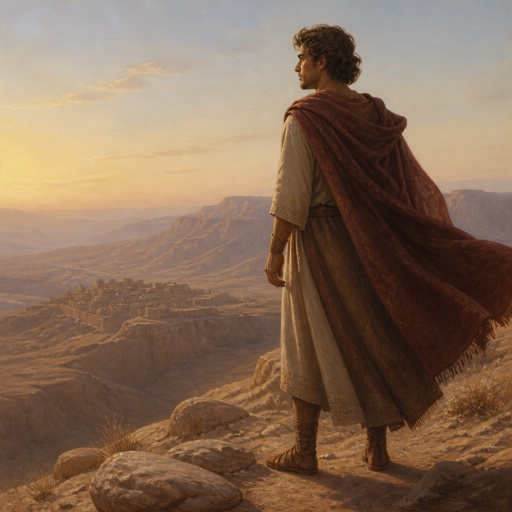
"¶ And the LORD stirred up an adversary unto Solomon, Hadad the Edomite: he was of the king's seed in Edom." - 1 Kings 11:14

1 Kings 11:1-5

1 Kings 12:14

1 Kings 12:14

1 Kings 14:1 - "At that time Abijah the son of Jeroboam fell sick."

1 Kings 12:11

1 Kings 11:13

1 Kings 12:11

1 Kings 11:5

1 Kings 11:13

1 Kings 12:11
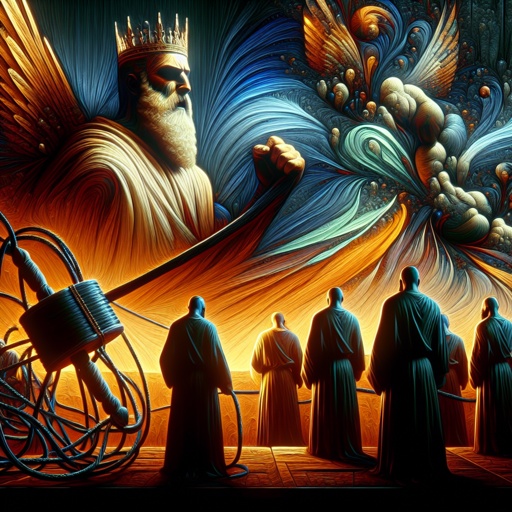
1 Kings 12:11

1 Kings 12:11

1 Kings 9:14 - "And Hiram sent to the king sixscore talents of gold."