The Prophetic Voice: A Call to Faithfulness
"For the saying which he cried by the word of the LORD against the altar in Beth-el, and against all the houses of the high places which are in the cities of Samaria, shall surely come to pass." - 1 Kings 13:32
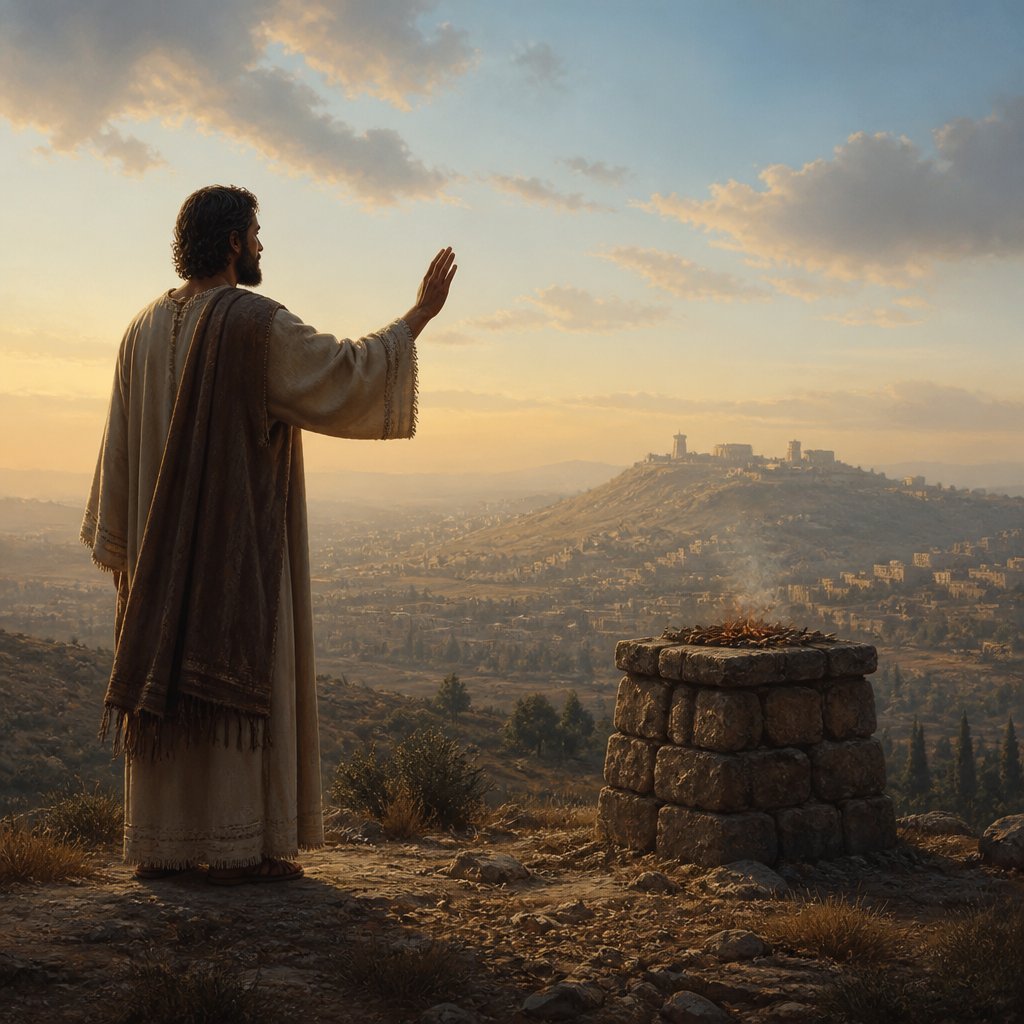
In 1 Kings 13:32, the scripture declares, "For the saying which he cried by the word of the LORD against the altar in Beth-el, and against all the houses of the high places which are in the cities of Samaria, shall surely come to pass." This powerful proclamation resonates deeply within the hearts of believers, prompting reflection on the nature of prophecy, obedience, and the consequences of turning away from God.
To understand the gravity of this verse, we must journey back to the event it describes. This chapter recounts the visit of a prophet from Judah to Jeroboam's kingdom in the northern tribes of Israel, where idol worship was rampant. The prophet was sent to confront Jeroboam, who had established false worship practices to deter the people from returning to Jerusalem for worship. The prophet proclaims judgment against the altar at Beth-el, declaring a future destruction as a testament to God’s displeasure over the idolatry taking root in Israel.
This moment in biblical history reveals various critical themes we can ponder today. First and foremost is the call to uphold the truth of God's Word against the tides of cultural acceptance that often permeate society. Just like the prophet stood firm in the face of a king who had turned away from true worship, today’s believers are often challenged to maintain their stance for righteousness in a world that increasingly blurs the lines of right and wrong. God’s Word is timeless, and the consequences of ignoring it remain just as real for us today as they were for the Israelites in Samaria.
The phrase, "shall surely come to pass" serves as both a declaration of faith and a warning. The God we serve is a sovereign God who fulfills His promises and prophecies with absolute certainty. When we cling to the Biblical teachings, we are assenting to a truth that has been tried and proven throughout history. God does not change; His Word stands eternally. As believers, this should inspire us to cultivate a strong relationship with scripture, standing on His promises even when circumstances may appear daunting or when the culture around us seems to contradict our faith.
However, we must also explore the deeper implications of this prophetic word. The altar in Beth-el represents more than a physical place; it symbolizes the spiritual state of a people who chose convenience over covenant fidelity. The worship that took place at Beth-el was tainted by human invention, far removed from the instructions God had given. God’s disdain for the idolatrous practices of Jeroboam and his people is indicative of His desire for intimacy. He yearns for us to worship Him in truth, reflecting a genuine relationship rather than a hollow adherence to tradition.
Moreover, the prophet’s warning against the altars illustrates the consequences of allowing idolatry to infiltrate our lives. Just as the physical altars in Samaria would face destruction, so too do the idols we hold can ultimately lead to our downfall. An idol can be anything that takes precedence over our relationship with God, be it wealth, status, or even the modern distractions that pull our hearts away from our Creator. Therefore, a vital part of this prophecy serves as a reminder to examine our hearts regularly and root out anything that supersedes our devotion to God.
In a conclusive sense, 1 Kings 13:32 challenges us to confront the altars in our own lives, committing to a path of faithfulness and authenticity in our walk with God. It beckons us to listen closely to the prophetic cries of those who speak His truth, encouraging us to heed the warnings of scripture while trusting in God's unchanging nature.
As we meditate on this verse, let us pray that we would be a people who honor God above all else, ensuring that our worship is rooted in His Word, echoing the prophetic truth that was proclaimed by His faithful servant. May our lives be a testament to the unwavering promises of God, serving as vessels of His grace in a world longing for hope.
Want to reflect more on 1 Kings 13:32?
Continue your spiritual journey with Bible Chat — an AI-powered tool for exploring God's Word through conversation. Ask questions, discover connections, and deepen your understanding.
Get Our Apps


1 Kings 13:32 Artwork

1 Kings 13:32 - "For the saying which he cried by the word of the LORD against the altar in Beth-el, and against all the houses of the high places which are in the cities of Samaria, shall surely come to pass."
"For the saying which he cried by the word of the LORD against the altar in Beth-el, and against all the houses of the high places which are in the cities of Samaria, shall surely come to pass." - 1 Kings 13:32

1 Kings 11:29-32

1 Kings 15:32 - "And there was war between Asa and Baasha king of Israel all their days."

1 Kings 1:32 - "¶ And king David said, Call me Zadok the priest, and Nathan the prophet, and Benaiah the son of Jehoiada. And they came before the king."

1 Kings 4:32 - "And he spake three thousand proverbs: and his songs were a thousand and five."

1 Kings 16:32 - "And he reared up an altar for Baal in the house of Baal, which he had built in Samaria."

1 Kings 11:13

1 Kings 11:13

1 Kings 6:11-13

1 kings 11:11-13

1 Kings 11:11-13

1 Kings 7:32 - "And under the borders were four wheels; and the axletrees of the wheels were joined to the base: and the height of a wheel was a cubit and half a cubit."

1 Kings 6:11-13

1 Kings 6:11-13

1 Kings 6:11-13

1 Kings 6:11-13

1 Kings 11:11-13

1 Kings 7:13 - "¶ And king Solomon sent and fetched Hiram out of Tyre."

1 Kings 18:32 - "And with the stones he built an altar in the name of the LORD: and he made a trench about the altar, as great as would contain two measures of seed."

"And there was war between Asa and Baasha king of Israel all their days." - 1 Kings 15:32

1 Kings 22:32 - "And it came to pass, when the captains of the chariots saw Jehoshaphat, that they said, Surely it is the king of Israel. And they turned aside to fight against him: and Jehoshaphat cried out."

1 Kings 13:13 - "And he said unto his sons, Saddle me the ass. So they saddled him the ass: and he rode thereon,"

1 Kings 12:13 - "And the king answered the people roughly, and forsook the old men's counsel that they gave him;"

1 Kings 13:15 - "Then he said unto him, Come home with me, and eat bread."

1 Kings 11:32 - "(But he shall have one tribe for my servant David's sake, and for Jerusalem's sake, the city which I have chosen out of all the tribes of Israel:)"

1 Kings 6:13 - "And I will dwell among the children of Israel, and will not forsake my people Israel."

1 Kings 5:13 - "¶ And king Solomon raised a levy out of all Israel; and the levy was thirty thousand men."

1 Kings 13:27 - "And he spake to his sons, saying, Saddle me the ass. And they saddled him."

2 Chronicles 32:32 - "Now the rest of the acts of Hezekiah, and his goodness, behold, they are written in the vision of Isaiah the prophet, the son of Amoz, and in the book of the kings of Judah and Israel."