The Invitation to Divergent Paths
"Then he said unto him, Come home with me, and eat bread." - 1 Kings 13:15
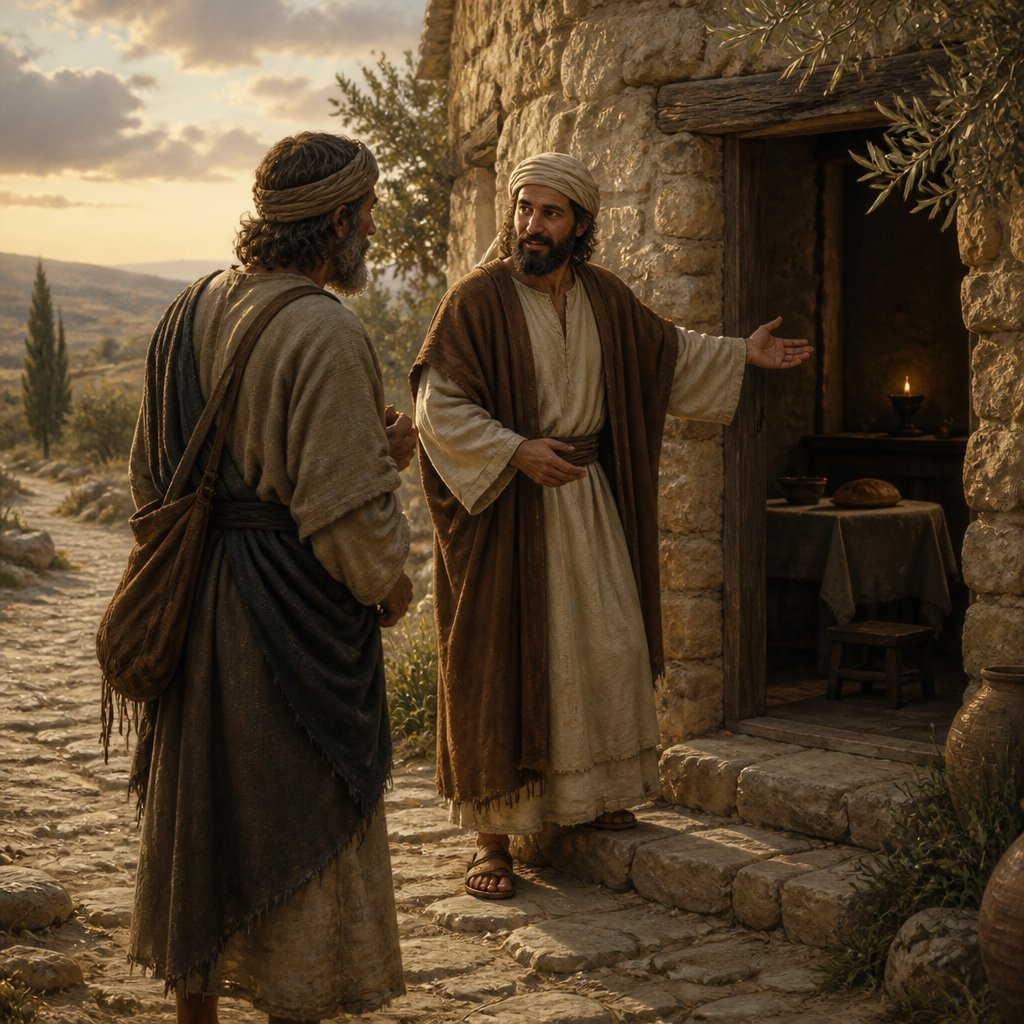
In 1 Kings 13:15, we encounter one of the more intriguing narratives found in the Bible. The verse reads, "Then he said unto him, Come home with me, and eat bread." This simple invitation was, at first glance, a cordial gesture, embodying the themes of hospitality and companionship. However, upon deeper examination, we discover that this invitation holds profound implications—an invitation that simultaneously symbolizes the lure of worldly distraction and the steadfast necessity of obedience to God's command.
The context of this invitation is crucial. The man of God, sent from Judah with a divine message of judgment against King Jeroboam’s idolatrous practices, arrives at Bethel to confront the corruption of the Israelite worship. After delivering this critical message, he is immediately confronted by the king, who is angered by the proclamation. The man’s life hangs precariously on his next decisions; he has disobeyed the king’s wishes and faced intimidation. But after a show of a miraculous sign from God—where his hand withers and then is restored upon the man’s prayer—an inviting plea is made for him to return with the king to receive not only hospitality but also comfort in companionship.
The verse illuminates a crucial test of obedience. The king offers an enticing dinner and a place of sanctuary. In a world filled with distractions and alluring pathways, the man of God faced a critical choice: to accept the invitation and potentially compromise his mission, or to reject it and remain steadfast in his obedience to God's command. The invitation to 'come home' symbolizes more than just a meal; it represents a significant turning point where he could abandon his divine mission for comfort and fellowship that would link him with the very establishment he was sent to confront.
How often in our lives do we encounter invitations that seem harmless? Friends may invite us into activities that, while socially engaging, can lead us astray from our commitments to God. The choices we make, often under a guise of friendliness, can detract from our purpose and calling. 1 Kings 13:15 serves as a warning, reminding us of the necessity of discernment. We must evaluate our engagements and relationships—are they bringing us closer to God or leading us away?
The man of God had been commanded by God not to eat bread nor drink water in the land (1 Kings 13:9). His mission demanded unwavering fidelity to God’s instructions. Yet, the king's insistence represents the many voices in our lives that urge us to divert from our paths. The kingdom was full of corruption and falsehood, but the man of God’s adherence to divine direction was critical not only for his faith but for the lives that depended on his actions and message.
The seemingly innocent invitation to "come home and eat bread" can often lead us to areas of compromise. It challenges our resolve, nudging at our human desire for community and connection. Discerning God’s voice can be multi-faceted; it may involve prayer, consultation with wise mentors, and immersing ourselves in Scripture.
Let us take to heart the principle behind the man of God's outcome. When he eventually disobeyed God’s explicit command—driven by the persuasive invitation of an old prophet—he faced devastating consequences that could have been avoided had he stayed true to his divine mission.
As we navigate our daily lives, let us remember this call to vigilance. The next time an invitation arises, let us carefully consider its alignment with God’s will for us. May we choose the path of obedience over the allure of comfort, knowing that following God often means taking the more arduous road paved by faith. In doing so, we honor our commitment to Him and fulfill our purpose in His divine plan.
Want to reflect more on 1 Kings 13:15?
Continue your spiritual journey with Bible Chat — an AI-powered tool for exploring God's Word through conversation. Ask questions, discover connections, and deepen your understanding.
Get Our Apps


1 Kings 13:15 Artwork

1 Kings 13:15 - "Then he said unto him, Come home with me, and eat bread."

"Then he said unto him, Come home with me, and eat bread." - 1 Kings 13:15

1 Kings 15:13 - "And also Maachah his mother, even her he removed from being queen, because she had made an idol in a grove; and Asa destroyed her idol, and burnt it by the brook Kidron."

1 kings 3:15

1 kings 3:15

2 Kings 13:15 - "And Elisha said unto him, Take bow and arrows. And he took unto him bow and arrows."

1 Kings 11:13

1 Kings 11:13

2 Kings 15:13 - "¶ Shallum the son of Jabesh began to reign in the nine and thirtieth year of Uzziah king of Judah; and he reigned a full month in Samaria."

1 Kings 15:31 - "¶ Now the rest of the acts of Nadab, and all that he did, are they not written in the book of the chronicles of the kings of Israel?"

1 Kings 10:15 - "Beside that he had of the merchantmen, and of the traffick of the spice merchants, and of all the kings of Arabia, and of the governors of the country."

1 Kings 6:11-13

1 kings 11:11-13

1 Kings 11:11-13

1 Kings 15:1 - "Now in the eighteenth year of king Jeroboam the son of Nebat reigned Abijam over Judah."

1 Kings 6:11-13

1 Kings 6:11-13

1 Kings 6:11-13

1 Kings 6:11-13

1 Kings 11:11-13

1 Corinthians 15:13 - "But if there be no resurrection of the dead, then is Christ not risen:"

1 Kings 7:13 - "¶ And king Solomon sent and fetched Hiram out of Tyre."

1 Timothy 6:15-16 – "God, the blessed and only Ruler, the King of kings and Lord of lords."

1 Kings 15:32 - "And there was war between Asa and Baasha king of Israel all their days."

1 Kings 15:16 - "¶ And there was war between Asa and Baasha king of Israel all their days."

1 Kings 11:1-5

1 Timothy 6:15-16 – "God, the blessed and only Ruler, the King of kings and Lord of lords."

1 Timothy 6:15-16 – "God, the blessed and only Ruler, the King of kings and Lord of lords."

1 Timothy 6:15-16 – "God, the blessed and only Ruler, the King of kings and Lord of lords."

1 Kings 1:15 - "¶ And Bath-sheba went in unto the king into the chamber: and the king was very old; and Abishag the Shunammite ministered unto the king."