The Foundations of Choices: Lessons from Jeroboam's Decisions
"¶ Then Jeroboam built Shechem in mount Ephraim, and dwelt therein; and went out from thence, and built Penuel." - 1 Kings 12:25

In 1 Kings 12:25, we read, "Then Jeroboam built Shechem in mount Ephraim, and dwelt therein; and went out from thence, and built Penuel." This verse may at first glance seem to merely recount a historical event, but it encapsulates profound truths about leadership, decisions, and the long-lasting impact of our choices.
Jeroboam’s ascent to power is marked by pivotal moments filled with significance. He was anointed king over the ten northern tribes of Israel, a position previously reserved for the house of David. In this context, the verse reveals two key actions: the building of cities and the geographical significance of those locations. Shechem and Penuel were not just mere settlements; they were strategically chosen sites loaded with historical relevance and symbolic meaning.
**Building Foundations**
Shechem, a city which had been a center for worship and covenant-keeping, is significant because it was here that Joshua renewed the covenant with the Israelites (Joshua 24). By choosing Shechem, Jeroboam appeared to align himself with the heritage and covenant of Israel. However, we must question the motivations behind his actions. While he built a city with historical significance, his underlying intention was deeply rooted in fear: a fear that his people would return to Jerusalem and therefore reclaim their loyalty to the Davidic line. Jeroboam’s decision to establish his reign here reflects the duality of human intentions—seeking to appear as a leader of the people while simultaneously harboring doubts.
**The Weight of Leadership**
Jeroboam’s leadership was characterized by choices that not only affected him but also carved the path for an entire nation. His decision to dwell in Shechem and build Penuel represented a moment of opportunity but also of peril. Leadership often carries a burden that can lead one away from foundational truths—God’s Word and His plans for His people. The choices we make as leaders, whether in ministry, family, or community, shape not only our destinies but also the destinies of those whom we lead.
**Fear vs. Faith**
The core struggle Jeroboam faced was the tension between fear and faith. Fear led him to devise alternative means of worship and governance to ensure loyalty from the tribes, which ultimately resulted in a departure from God’s ordained structure. This path of unfaithfulness can be observed in his later establishment of golden calves in Bethel and Dan, as he sought to create a new religious identity distinct from Jerusalem. In this respect, Jeroboam's actions serve as a cautionary tale about how fear can lead to the construction of false idols and the erosion of true faith.
**A Reminder to Us**
As we reflect on Jeroboam’s story, we are reminded of the importance of the foundations we build in our lives. Are we building cities of faith and obedience, or are we erecting altars of self-reliance and fear? The choices we make today will affect not only our tomorrow but that of future generations. Are we committed to seeking God’s wisdom in our decisions or are we merely acting out of pragmatism?
The essential question that arises from Jeroboam's actions is whether we are leading through fear or through faith. As disciples of Christ, we are called to build our lives upon the Rock—Jesus. In making choices, whether in leadership or in daily decisions, let us seek counsel from the Scriptures and wise mentors. Let us dwell in Shechem, seeking to honor God, and let our choices reflect His promises. May we learn from Jeroboam’s struggle and strive to lead lives of integrity, faith, and trust in the One who is sovereign over all.
Want to reflect more on 1 Kings 12:25?
Continue your spiritual journey with Bible Chat — an AI-powered tool for exploring God's Word through conversation. Ask questions, discover connections, and deepen your understanding.
Get Our Apps


1 Kings 12:25 Artwork

1 Kings 12:25 - "¶ Then Jeroboam built Shechem in mount Ephraim, and dwelt therein; and went out from thence, and built Penuel."

"¶ Then Jeroboam built Shechem in mount Ephraim, and dwelt therein; and went out from thence, and built Penuel." - 1 Kings 12:25

2 Kings 25:12 - "But the captain of the guard left of the poor of the land to be vinedressers and husbandmen."

1 Kings 12:11

1 Kings 12:11

1 Kings 12:10

1 Kings 12:10

1 Kings 12:10

1 Kings 12:11

1 Kings 12:10
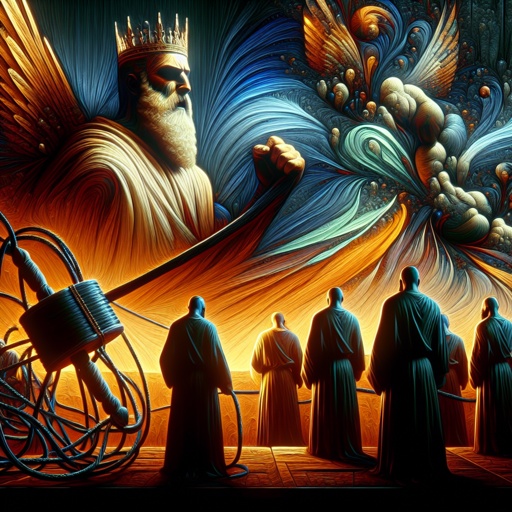
1 Kings 12:11

1 Kings 12:14

1 Kings 12:14

1 Kings 12:11
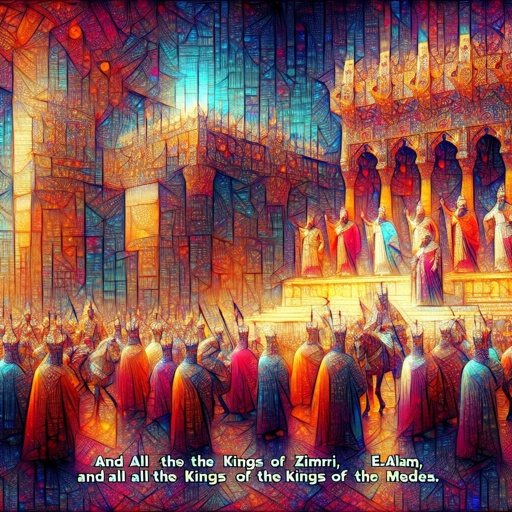
Jeremiah 25:25 - "And all the kings of Zimri, and all the kings of Elam, and all the kings of the Medes,"

"But the captain of the guard left of the poor of the land to be vinedressers and husbandmen." - 2 Kings 25:12

1 kings 3:12

1 Kings 3:25 - "And the king said, Divide the living child in two, and give half to the one, and half to the other."

1 Kings 14:25 - "¶ And it came to pass in the fifth year of king Rehoboam, that Shishak king of Egypt came up against Jerusalem:"

1 Kings 6:25 - "And the other cherub was ten cubits: both the cherubims were of one measure and one size."

1 Chronicles 25:12 - "The fifth to Nethaniah, he, his sons, and his brethren, were twelve:"

2 Kings 25:1 show King Nebuchadnezzar in war zone

2 Kings 25:1 show King Nebuchadnezzar and the army and the Temple

1 Kings 2:25 - "And king Solomon sent by the hand of Benaiah the son of Jehoiada; and he fell upon him that he died."

1 Kings 12:1 - "And Rehoboam went to Shechem: for all Israel were come to Shechem to make him king."

1 Kings 16:25 - "¶ But Omri wrought evil in the eyes of the LORD, and did worse than all that were before him."

1 Chronicles 12:25 - "Of the children of Simeon, mighty men of valour for the war, seven thousand and one hundred."

1 Corinthians 12:25 - "That there should be no schism in the body; but that the members should have the same care one for another."

1 Samuel 12:25 - "But if ye shall still do wickedly, ye shall be consumed, both ye and your king."

"And all the kings of Zimri, and all the kings of Elam, and all the kings of the Medes," - Jeremiah 25:25