Judging Angels: Embracing Our Heavenly Authority
"Know ye not that we shall judge angels? how much more things that pertain to this life?" - 1 Corinthians 6:3
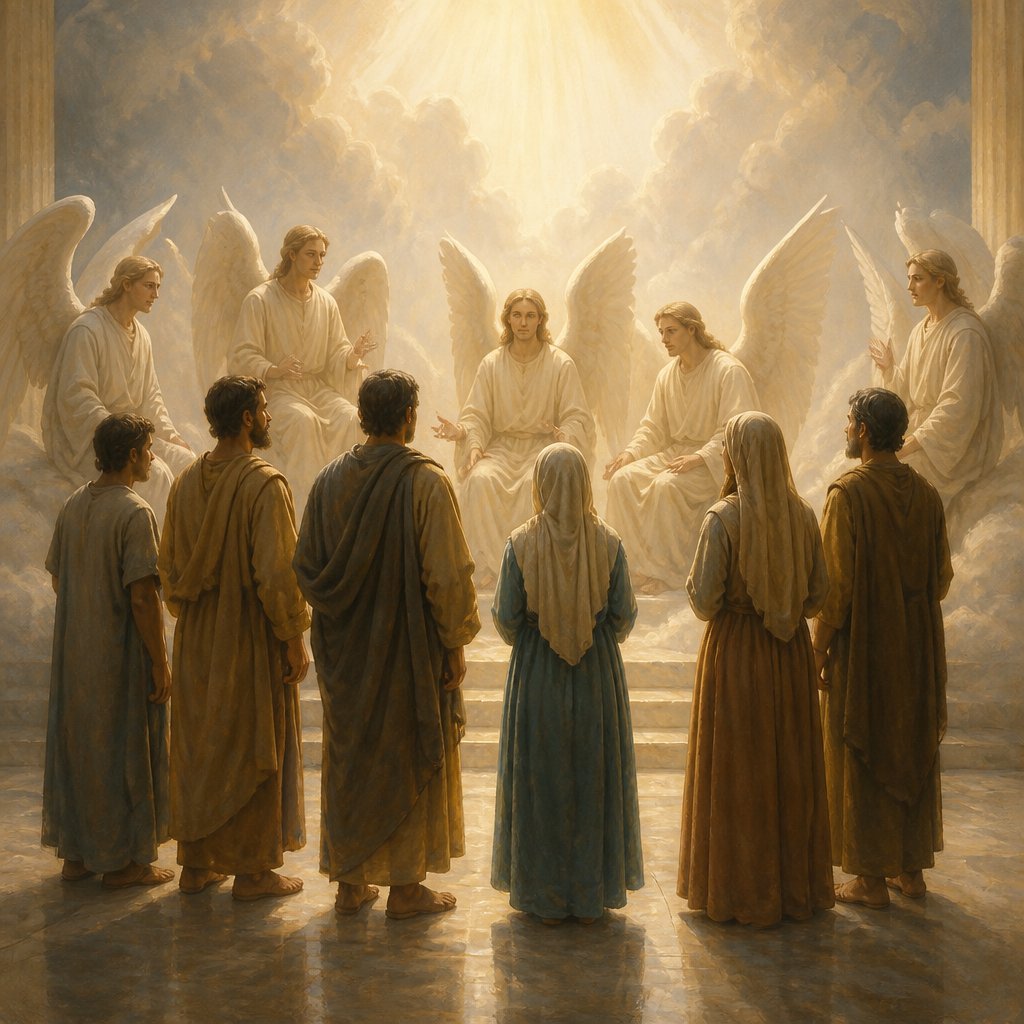
In 1 Corinthians 6:3 (KJV), Paul asks, “Know ye not that we shall judge angels? how much more things that pertain to this life?” This profound statement challenges us to reflect on our identity as believers and the incredible authority we are granted through our relationship with Christ. What does it mean to judge angels, and how does it influence our daily lives?
The context of this passage reveals a church embroiled in conflict, with members taking their disputes to secular courts. Paul rebukes them by underscoring their spiritual identity and the responsibility that comes with it. The implication is powerful: if believers are destined to judge angels—celestial beings created by God—then surely they are capable of resolving disputes among themselves. Paul’s words remind us that our lives on earth are not just a series of unrelated events; they are intertwined with our eternal destiny.
First, we must consider the meaning of judging angels. Angels, often described as ministering spirits sent to serve those who will inherit salvation, play crucial roles in God's redemptive plan (Hebrews 1:14). They are powerful and awe-inspiring creatures, yet Paul asserts that we, with the Holy Spirit dwelling within us, bear a higher calling. This raises the question: how can we, mere humans, be involved in judging angels?
The answer lies in the notion of authority bestowed upon us through Christ. When we accept Jesus as our Lord and Savior, we become partakers of His divine nature (2 Peter 1:4). We are co-heirs with Christ (Romans 8:17), and with this inheritance comes an authority that transcends our earthly existence. The judgment of angels speaks to the ultimate victory we share with Christ over sin, death, and the dark forces of this world. It reassures us that we are not merely passive recipients of God’s grace; we are active participants in His kingdom.
This profound truth should influence how we approach issues of conflict and justice in our lives today. If we are destined to judge angels, we must consider how we handle earthly matters with the same kind of seriousness and spirit of reconciliation. When faced with disputes, do we remember our calling? Or do we allow petty grievances to divert us from what truly matters? Paul’s exhortation invites us to elevate our perspective, viewing our conflicts as opportunities to exemplify God’s justice and love.
Moreover, understanding our role in judging angels encourages humility. We mustn't approach this divine authority with arrogance or a sense of entitlement. Rather, we are called to embody the characteristics of Christ—our judge and our advocate. Jesus approached the woman caught in adultery with compassion, urging her to leave her life of sin (John 8:1-11). Similarly, as we navigate our lives and relationships, may we seek to reflect that same grace and mercy, knowing we too were once lost but have been redeemed.
As we meditate on 1 Corinthians 6:3, let us remember that our eternal destiny shapes our present actions and decisions. Each moment is imbued with the potential for eternal impact. Whether in our workplaces, families, or communities, we must carry with us the knowledge of our identity in Christ and the authority we’ve been given. We are to be ambassadors of the kingdom, reflecting God’s love and righteousness.
The call to judge angels is, primarily, a call to live a life reflecting heaven's values here on earth. With this understanding, we should step confidently into our role as representatives of Christ, addressing the issues that pertain to our lives with grace, wisdom, and the desire to see God’s will fulfilled. May we always remember that we are called to a higher purpose, impacting not just our own lives but the lives of those around us, as we age towards eternity with our Creator.
Want to reflect more on 1 Corinthians 6:3?
Continue your spiritual journey with Bible Chat — an AI-powered tool for exploring God's Word through conversation. Ask questions, discover connections, and deepen your understanding.
Get Our Apps


1 Corinthians 6:3 Artwork

1 Corinthians 6:3 - "Know ye not that we shall judge angels? how much more things that pertain to this life?"
"Know ye not that we shall judge angels? how much more things that pertain to this life?" - 1 Corinthians 6:3

1 Corinthians 3:6 - "I have planted, Apollos watered; but God gave the increase."
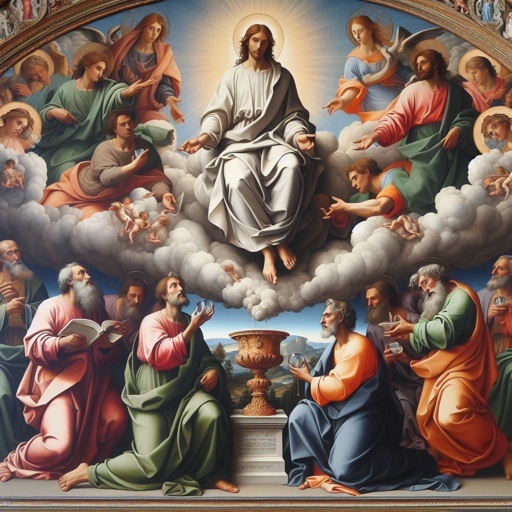
" Corinthians 3:6

2 Corinthians 6:3 - "Giving no offence in any thing, that the ministry be not blamed:"

2 Corinthians 3:6

2 Corinthians 3:6

1 Corinthians 6:19

1 Corinthians 6:19

1 Corinthians 6:19

1 Corinthians 3:6-7 - "I have planted, Apollos watered; but God gave the increase. So then neither is he that planteth anything, neither he that watereth; but God that giveth the increase."

"I have planted, Apollos watered; but God gave the increase." - 1 Corinthians 3:6

1 Corinthians 6:19

1 Corinthians 6:19

1 Corinthians 6:19

1 Corinthians 13:4-6

1 Corinthians 13:4-6

1 Corinthians 13:4-6

1 Corinthians 13:4-6

1 Corinthians 13:4-6

1 Corinthians 6:19-20

1 Corinthians 6:19-20
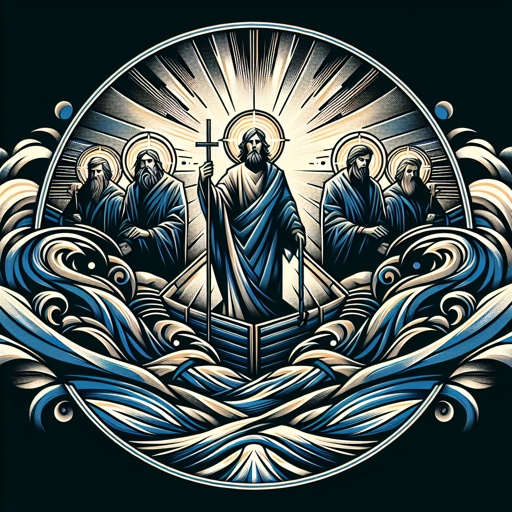
1 Corinthians 6:19-20

1 Corinthians 13:4-6

1 Corinthians 13:4-6

1 Corinthians 13:4-6

1 corinthians 3:16-17

1 Corinthians 6:19-20

"Giving no offence in any thing, that the ministry be not blamed:" - 2 Corinthians 6:3

1 Corinthians 6:6 - "But brother goeth to law with brother, and that before the unbelievers."