The Assurance of Resurrection: A Foundation of Our Faith
"Now if Christ be preached that he rose from the dead, how say some among you that there is no resurrection of the dead?" - 1 Corinthians 15:12
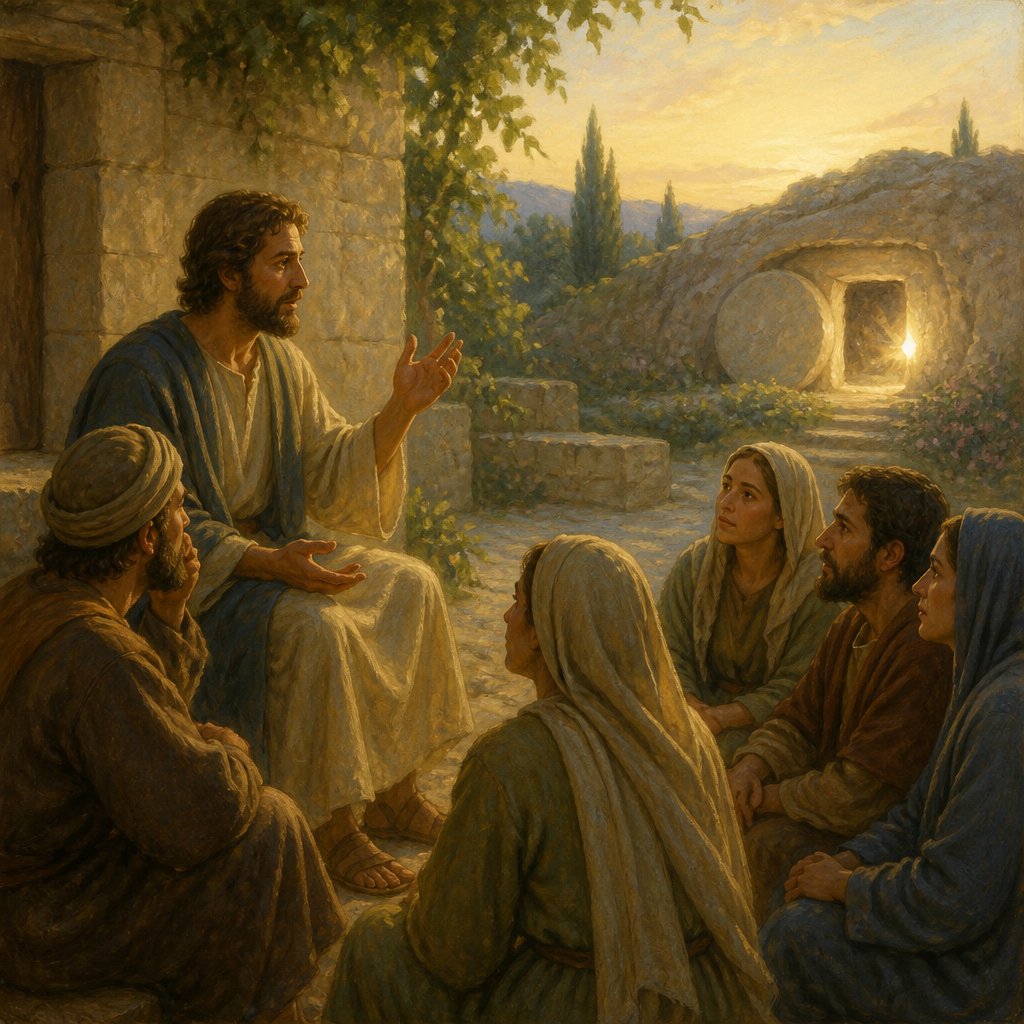
In 1 Corinthians 15:12, the Apostle Paul poses a critical question to the Corinthians: "Now if Christ be preached that he rose from the dead, how say some among you that there is no resurrection of the dead?" This powerful verse delves into the very foundation of Christian faith—the resurrection of Jesus Christ. As we reflect on this passage, let us consider the implications it has for our understanding of life, hope, and the promises of God.
At the heart of the gospel message is the resurrection of Jesus, a pivotal event both in history and in the life of every believer. By proclaiming that Christ rose from the dead, Paul emphasizes the cornerstone of our faith. The resurrection is not merely a theological concept; it is an assurance of hope and life that permeates our existence. Jesus, having triumphed over death, assures us that death does not hold the final say. This certainty should shape our daily lives and interactions with the world around us.
Paul’s rhetorical question reveals a troubling contradiction that existed among the Corinthians. Some members of the church were questioning the resurrection of the dead despite the fact that they had heard and accepted the gospel of Christ’s resurrection. This contradiction serves as a warning to us today. It challenges us to evaluate our own beliefs and encourages us not to allow doubts to infiltrate our faith. The resurrection is not an abstract theology; it is the very reason we can have confidence in God’s promises.
The resurrection is the culmination of God’s redemptive plan throughout history. It was foretold in the Old Testament (Psalm 16:10, Isaiah 53) and fulfilled in Christ, who overcame the grave. The resurrection proves that Jesus is who He claimed to be—the Son of God, the Messiah. It reaffirmed His authority over sin and death, and it is through this victory that we find our identity as children of God. As it says in Romans 8:11, "But if the Spirit of him that raised up Jesus from the dead dwell in you, he that raised up Christ from the dead shall also quicken your mortal bodies by his Spirit that dwelleth in you." The promise of resurrection extends beyond Christ; it is also our promise.
As we embrace the reality of Christ’s resurrection, we are called to live in the fullness of that truth. In our lives, the resurrection should inspire hope in the face of trials and tribulations. When we encounter hardships, we must remember that just as Christ conquered the grave, so too can we overcome the challenges we face. Our suffering is temporary, but the resurrection guarantees eternal life in Christ. This eternal perspective offers solace in our dark moments, reminding us that we live not for the temporal but for the eternal.
Moreover, the resurrection of Christ also compels us to share this hope with others. Paul’s question to the Corinthians is not just an inquiry; it serves as a call to evangelism. When we comprehend the significance of Christ’s victory over death, we cannot remain silent. We are called to proclaim this truth boldly, urging others to embrace the hope that lies in the resurrection. As we share our faith, let us do so with love and assurance, knowing that our message is rooted in the reality of Christ’s resurrection.
In conclusion, 1 Corinthians 15:12 serves as a profound reminder of the central importance of the resurrection in our faith. It challenges us to examine our beliefs and encourages us to live boldly in the hope that the resurrection brings. Let us not be swayed by doubts or societal disbelief; instead, let us stand firm in the truth of Christ's resurrection, knowing that it is the hope of our eternal life. Through this assurance, may we find peace, purpose, and passion to share the good news with a world desperately in need of hope.
Want to reflect more on 1 Corinthians 15:12?
Continue your spiritual journey with Bible Chat — an AI-powered tool for exploring God's Word through conversation. Ask questions, discover connections, and deepen your understanding.
Get Our Apps


1 Corinthians 15:12 Artwork

1 Corinthians 15:12 - "Now if Christ be preached that he rose from the dead, how say some among you that there is no resurrection of the dead?"

1 Corinthians 15:12-13 - "Now if Christ is proclaimed as raised from the dead, how can some of you say there is no resurrection of the dead? If there is no resurrection of the dead, then Christ has not been raised."
"Now if Christ be preached that he rose from the dead, how say some among you that there is no resurrection of the dead?" - 1 Corinthians 15:12
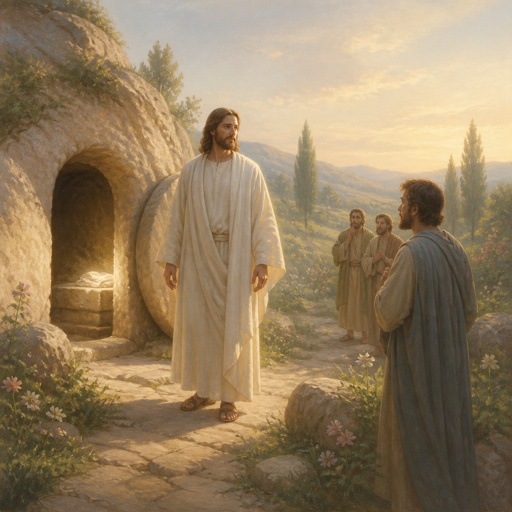
"Now if Christ is proclaimed as raised from the dead, how can some of you say there is no resurrection of the dead? If there is no resurrection of the dead, then Christ has not been raised." - 1 Corinthians 15:12-13

1 Corinthians 12:15 - "If the foot shall say, Because I am not the hand, I am not of the body; is it therefore not of the body?"

1 Corinthians 12:12

1 corinthians 2:12

1 corinthians 2:12

1 Corinthians 15:36

1 corinthians 2:12

1 corinthians 2:12

1 Corinthians 12:12-13

1 Corinthians 12:12-22

1 Corinthians 15:13 - "But if there be no resurrection of the dead, then is Christ not risen:"

1 Corinthians 15:51-52

1 Corinthians 15:51-52

1 Corinthians 15:51-52

1 Corinthians 12:27

1 Corinthians 15:5 - "And that he was seen of Cephas, then of the twelve:"

1 Corinthians 15:16 - "For if the dead rise not, then is not Christ raised:"

1 Corinthians 15:26 - "The last enemy that shall be destroyed is death."

1 Corinthians 15:51-52
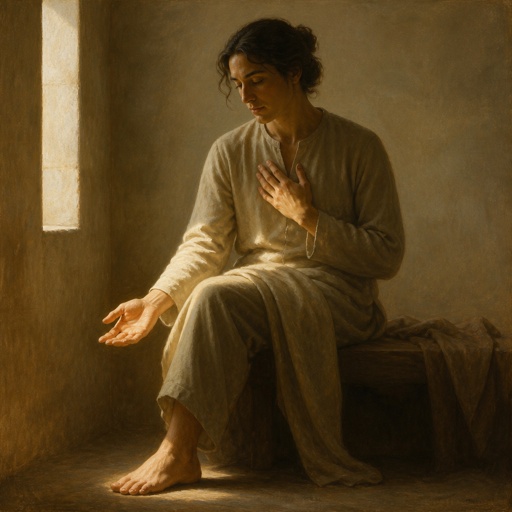
"If the foot shall say, Because I am not the hand, I am not of the body; is it therefore not of the body?" - 1 Corinthians 12:15

1 Corinthians 15:8-11

2 Corinthians 12:15 - "And I will very gladly spend and be spent for you; though the more abundantly I love you, the less I be loved."

1 Corinthians 15:7 - "After that, he was seen of James; then of all the apostles."

1 Corinthians 12:14 - "For the body is not one member, but many."

1 Corinthians 12:5 - "And there are differences of administrations, but the same Lord."

1 Corinthians 1:15 - "Lest any should say that I had baptized in mine own name."

1 Corinthians 12:3-13