The Sovereignty of the Spirit: Understanding Prophetic Order
"And the spirits of the prophets are subject to the prophets." - 1 Corinthians 14:32
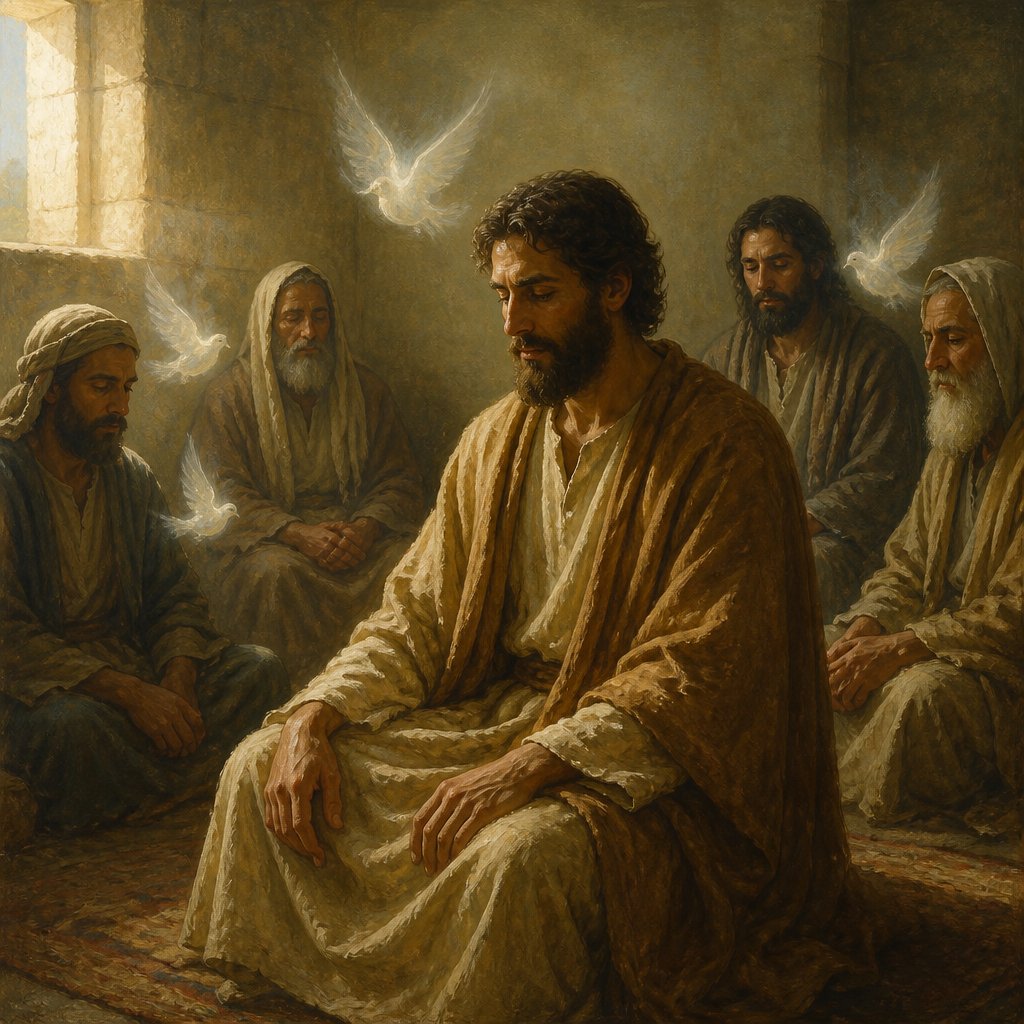
In the pursuit of understanding spiritual gifts and the function of the church, 1 Corinthians 14:32 provides a profound insight: "And the spirits of the prophets are subject to the prophets." This verse unveils important truths about the nature of prophetic revelation and the order within the body of Christ, encouraging believers to embrace their gifts while exercising wisdom and responsibility in their use.
The Apostle Paul, in his letter to the Corinthians, addresses the chaos that had erupted in their gatherings. Worship services were marked by disorderly conduct, with multiple individuals prophesying over one another, leading to confusion and distraction. In this context, Paul clarifies that true prophetic expression is never contrary to order and self-control. It is a divine flow that honors God and uplifts the Church.
First, let us reflect on the phrase "the spirits of the prophets." This can be interpreted as the internal workings of a prophet—their thoughts, emotions, and discernment in receiving revelations from the Lord. Prophets are often seen as vessels through which God communicates His will to His people, yet this does not mean that they are devoid of personal agency or control. Paul emphasizes that even when a prophet is inspired to speak, their spirit remains under their own authority. This concept frees believers from the notion that one must speak or act under duress or compulsively when they are moved by the Spirit. The Holy Spirit operates in partnership with our will; we can choose to yield our spirits, but we also bear responsibility for what we express.
Consider how this principle applies to our everyday lives. In times of worship or ministry, many believers experience moments of divine inspiration. This could be during prayer, while reading scripture, or even in a conversation with another believer. God speaks to us through His Spirit and often prompts us to act—be it sharing a scripture, praying for someone, or offering a word of encouragement. However, we must remember that we have the power to control our responses. Just as the prophets are called to submit to order, so too are we called to govern our reactions based on the environment and promptings we encounter.
The verse also highlights the interconnectedness of the prophetic community. When Paul speaks about the spirit of the prophets being subject to the prophets, he emphasizes the importance of accountability among those who speak on behalf of God. Prophets are not lone wolves; they operate within a community where they can weigh their revelations with others, ensuring alignment with God’s truth and purpose. This principle is vital for the health of the church today. We must not only seek the blessing of the prophetic gift but also be willing to submit our insights and actions to the scrutiny of fellow believers who are knowledgeable in the Word and sensitive to the Spirit.
This submission fosters growth, unity, and maturity among believers as they learn from one another and provide checks and balances to any one individual’s understanding. Furthermore, it prevents the potential for self-indulgent or ego-driven prophecies that could disrupt the church body.
In conclusion, 1 Corinthians 14:32 calls each of us to embrace the divine gifts we have been given, fully aware that with these gifts comes responsibility. The spirits of the prophets are indeed subject to the prophets, reminding us that the Holy Spirit inspires us, but we must govern our expressions, ensuring they align with love, order, and the overall edification of the Church. Whether in prophecy, teaching, or any other expression of our faith, let us harness the power of self-control, allowing the Holy Spirit to flow through us with grace and wisdom.
As you contemplate this truth, ask yourself: How can I exercise control in my spiritual gifts? In what ways can I embrace accountability within my faith community? May we commit to being prophetic voices that reflect the character of Christ, bringing unity, peace, and clarity to His Church.
Want to reflect more on 1 Corinthians 14:32?
Continue your spiritual journey with Bible Chat — an AI-powered tool for exploring God's Word through conversation. Ask questions, discover connections, and deepen your understanding.
Get Our Apps


1 Corinthians 14:32 Artwork

1 Corinthians 14:32 - "And the spirits of the prophets are subject to the prophets."

"And the spirits of the prophets are subject to the prophets." - 1 Corinthians 14:32

1 Corinthians 14:1

1 corinthians 14:1

1 Corinthians 14:36

1 Corinthians 14:37

1 Corinthians 14:36

1 Corinthians 14:26-33

1 Corinthians 14:36-40

1 Corinthians 14:36-37

1 Corinthians 11:32 - "But when we are judged, we are chastened of the Lord, that we should not be condemned with the world."

1 Corinthians 10:32 - "Give none offence, neither to the Jews, nor to the Gentiles, nor to the church of God:"

1 Corinthians 14:39-40

1 Corinthians 14:14 - "For if I pray in an unknown tongue, my spirit prayeth, but my understanding is unfruitful."

1 Corinthians 12:14 - "For the body is not one member, but many."

1 Corinthians 14:40 - "Let all things be done decently and in order."

1 Corinthians 16:14 - "Let all your things be done with charity."

1 Corinthians 1:14 - "I thank God that I baptized none of you, but Crispus and Gaius;"

1 Corinthians 14:38 - "But if any man be ignorant, let him be ignorant."

1 Corinthians 14:1 - "Follow after charity, and desire spiritual gifts, but rather that ye may prophesy."

1 Corinthians 14:17 - "For thou verily givest thanks well, but the other is not edified."

1 Corinthians 14:33 - "For God is not the author of confusion, but of peace, as in all churches of the saints."

1 Corinthians 10:14 - "Wherefore, my dearly beloved, flee from idolatry."

1 Corinthians 7:32 - "But I would have you without carefulness. He that is unmarried careth for the things that belong to the Lord, how he may please the Lord:"

1 Corinthians 14:39 - "Wherefore, brethren, covet to prophesy, and forbid not to speak with tongues."

1 Corinthians 14:3 - "But he that prophesieth speaketh unto men to edification, and exhortation, and comfort."

1 Corinthians 14:29 - "Let the prophets speak two or three, and let the other judge."

1 Corinthians 14:20 - "Brethren, be not children in understanding: howbeit in malice be ye children, but in understanding be men."

1 Corinthians 14:8 - "For if the trumpet give an uncertain sound, who shall prepare himself to the battle?"

1 Corinthians 15:32 - "If after the manner of men I have fought with beasts at Ephesus, what advantageth it me, if the dead rise not? let us eat and drink; for to morrow we die."